Quick facts
Last updated July 2026
What it means
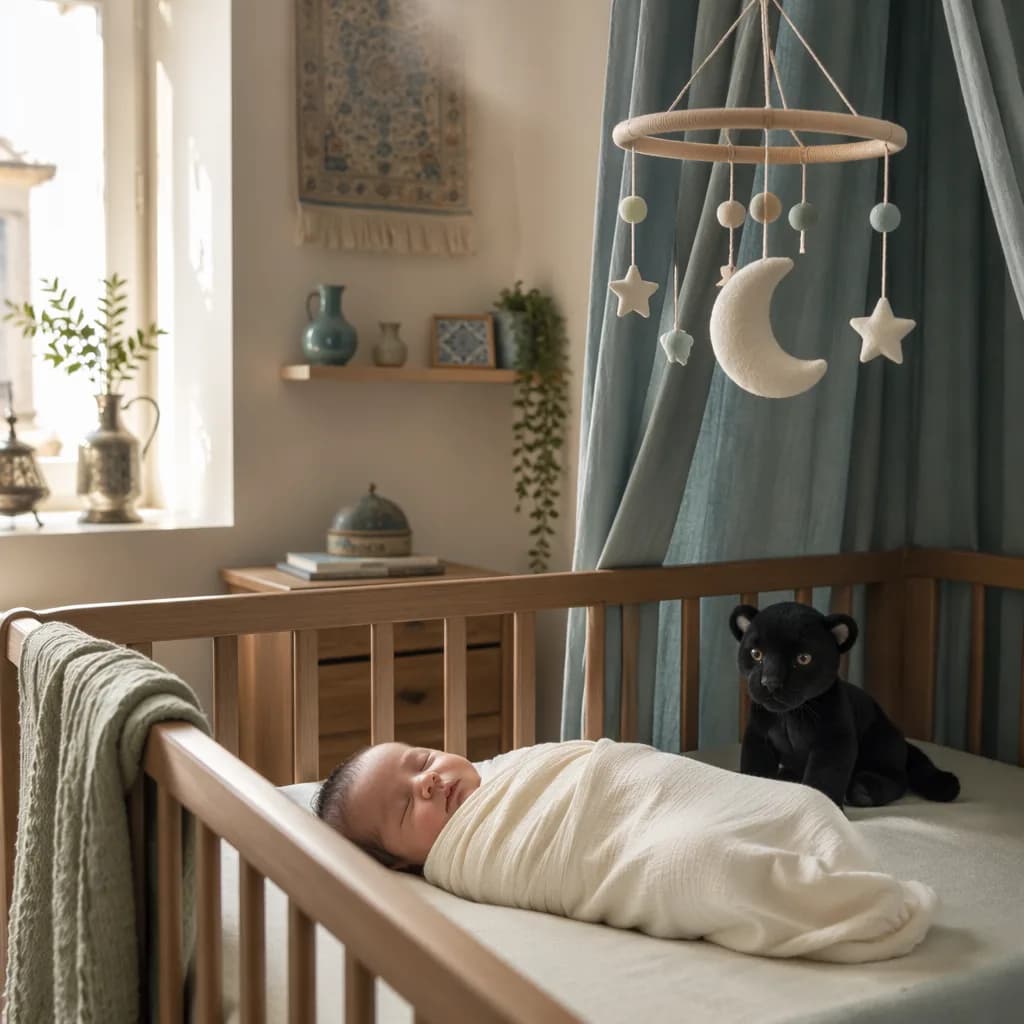
“Aybars is a Turkish boy name often understood through its parts: ay, meaning moon, and bars, a Turkic word associated with a big cat such as a leopard or tiger. The overall feeling is bright, brave, and strong.”
Aybars is one of those Turkish names that feels compact but powerful. It has only two syllables, yet it carries a striking image: moonlight paired with the strength of a wild big cat. In Turkish, ay is a familiar word meaning moon. The second part, bars, is used in Turkic name traditions with associations around a fierce big cat, often understood as leopard, tiger, or panther depending on the language context and family interpretation. Put together, Aybars has a poetic, warrior-like quality: the calm light of the moon with the courage and motion of an animal known for power. For parents, that balance is a big part of the appeal. Aybars doesn't sound soft in a fragile way, and it doesn't sound harsh either. The opening Ay feels open and bright, while bars gives the name a firm ending. It lands with confidence. The name fits comfortably in Turkish naming style, where nature words, sky imagery, animals, strength, and old Turkic elements often appear in boys' names. Names such as Ayhan, Aykut, Alparslan, and Baran share that same broad family feeling: meaningful, rooted, and easy to say in daily life. Outside Turkish-speaking communities, Aybars may feel rare at first. Still, it is fairly straightforward once heard aloud. English speakers might need one quick correction because the first syllable is closer to eye than ay as in day. After that, it tends to stick. Aybars is a good choice if you want a name with cultural depth, a strong sound, and a meaning that gives a child something vivid to grow with. Picture a little boy learning to write those six letters on a school worksheet. The name is short enough for him to own early, but it has enough weight to carry into adulthood.
Why parents love it
Parents often love Aybars because it feels strong without being bulky. It has that rare mix of poetry and backbone: moonlight on one side, wild-cat courage on the other. If you're raising a child between cultures, it can be especially meaningful. Aybars is clearly Turkish, but it isn't long or difficult to explain. It also grows well. On a toddler, Aybars sounds bright and spirited. On a teenager, it has confidence. On an adult, it feels steady and memorable. That matters more than people think when choosing a name from a short list on the kitchen table. The name is uncommon in many English-speaking settings, so your son probably won't be one of three children with the same name in his class. At the same time, it doesn't look overly complicated on paper. Six letters. Two syllables. A clear ending. Aybars is a lovely choice for parents who want a Turkish boy name with meaning, presence, and a little spark of legend. It feels rooted, but not heavy. Distinctive, but not hard to wear.
Heritage
Aybars belongs naturally in Turkish naming culture, where many names are built from meaningful words rather than chosen only for sound. Turkish parents often like names that point to the natural world, bravery, ancestry, or admired qualities. Aybars fits that pattern beautifully. The moon element gives it a calm, luminous feeling, while the bars element brings in courage and animal strength. The name is not specifically tied to one religious tradition in the way names like Mehmet or Yusuf are. That can make it appealing for families who want a Turkish name with cultural roots but without a strongly religious signal. It can work for Muslim families, secular Turkish families, and families in the diaspora who want a name that says something about heritage without needing much explanation. There is also a historic flavor to names built with old Turkic elements. They can feel proud and traditional, but not dusty. Aybars sounds like it could sit beside both a grandfather's strong name and a modern classroom list. For families outside Turkey, the main practical point is pronunciation. Some people may say AY-bars at first, rhyming the first syllable with day. A simple correction, eye-BARS, usually solves it. The spelling is clean, and the name doesn't carry an obvious taboo in English. It may, however, feel unfamiliar in places where Turkish names are rare, so parents should be ready to say, “It's Turkish, and it means something like moon and big cat strength.” That one sentence usually does the work.
Not enough popularity data to chart yet.
The big-cat image in Aybars gives the name a bold, protective feeling.
The moon element softens the name and suggests steadiness rather than noise.
Aybars has a strong, self-contained sound that suits a child who likes doing things his own way.
Its grounded Turkish style gives the name a family-centered, dependable tone.
Because ay means moon, the name carries a sense of light in the dark.
Original
Aybars
Transliterations
Emir is short, familiar in Turkish use, and gives Aybars a smooth, polished pairing.
Kaan adds a regal, old Turkic feel and keeps the whole name strong and concise.
Deniz brings a gentle nature meaning, creating a moon, strength, and sea feeling.
Efe is lively and distinctly Turkish, so the combination feels warm and easy to say.
Can is simple and affectionate, balancing the bolder sound of Aybars.
Pair two names and see how they sound, flow, and feel together.
Generate a soothing personalised bedtime story starring your child.
Reveal the life-path and destiny numbers hidden in a baby name.
Playful, name-based personality sketch to share with friends.
No stories for Aybars yet. Be the first!