Quick facts
Last updated June 2026
What it means
“Diya means “lamp” or “light,” drawn from the Indian oil lamp used in prayers, rituals, festivals, and homes. The name carries ideas of warmth, wisdom, auspiciousness, and the triumph of light over darkness.”
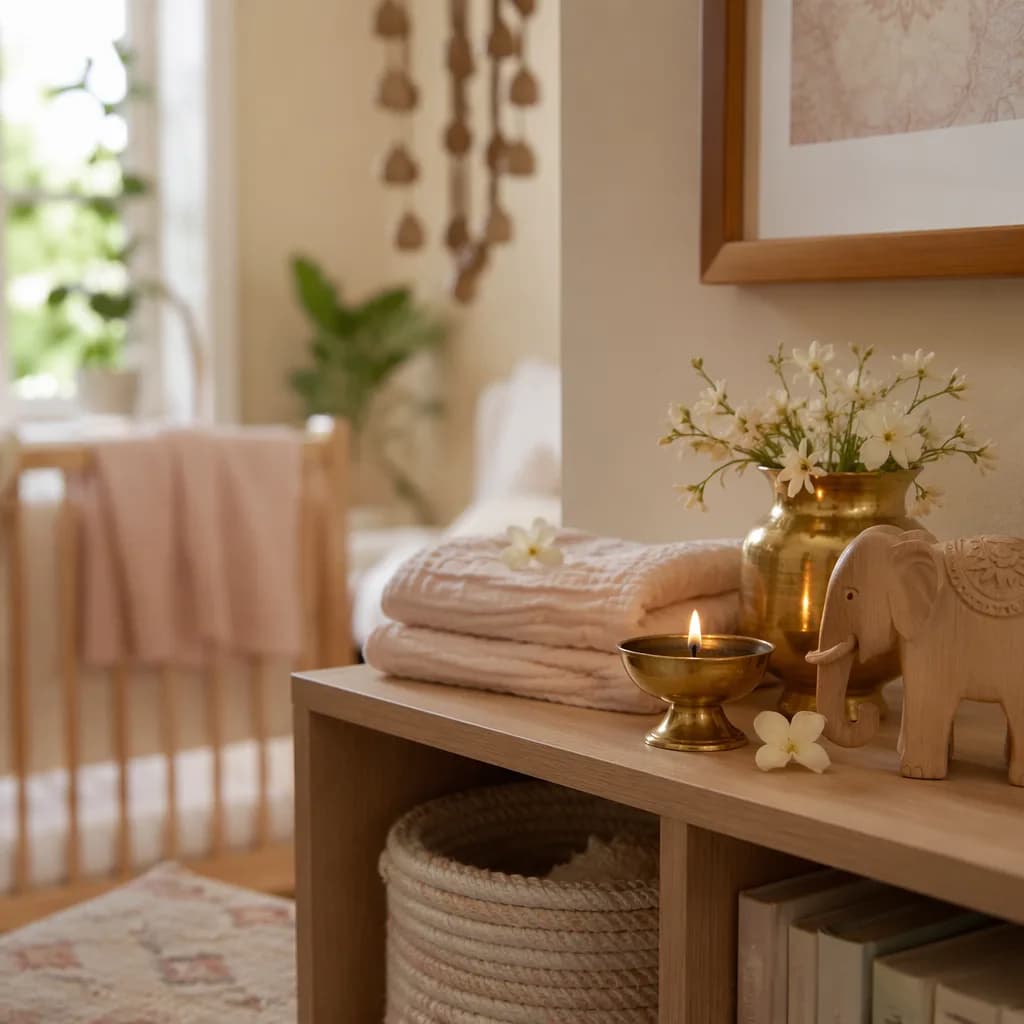
Diya is a short, glowing name with deep roots in Indian language and culture. In common Indian usage, a diya is a small oil or ghee lamp, often made from clay, brass, or silver, with a cotton wick. The related Sanskrit form given in traditional contexts is Dīpam, written दीपम्, and the Hindi form is Dīyā, written दीया. You may also see related spellings such as deeya, dia, deepa, deepam, deep, deepak, or saaki, depending on language, region, and family tradition. As a baby name, Diya feels simple on the tongue but rich in meaning. Parents often hear “light” first, and that is a lovely everyday meaning: the child who brightens a room, the steady little flame on the family altar, the hopeful glow at dusk. The cultural meaning goes further. A diya is lit in prayers and ceremonies, and its warm brightness is associated with auspiciousness, enlightenment, prosperity, knowledge, and wisdom. That gives the name a gentle spiritual depth without making it feel heavy. Diya Eshana Kulkarni has a graceful rhythm. Diya is bright and easy, Eshana adds a soft Sanskrit-style middle, and Kulkarni gives the full name a clear Maharashtrian family-name sound. The first name works well across languages because it is brief, vowel-rich, and easy for many English speakers to learn after hearing it once: DEE-yah. For families who want a name that feels Indian, feminine, meaningful, and modern enough for school forms and passports, Diya sits in a very sweet spot. It is familiar in South Asian communities, but it still feels personal and luminous.
Why parents love it
Parents love Diya because it says something beautiful without needing a long explanation. It is short, clear, and full of feeling. A diya is the small lamp lit during prayers, festivals, and family rituals, so the name brings to mind home, blessing, and that quiet moment when a flame catches and everyone pauses for a second. It also travels well. Diya is easy to pronounce in English as DEE-yah, and it looks simple on paper. That matters more than people admit. A child can learn to write it early, a teacher can say it with a little guidance, and relatives can still hear its Indian warmth. For Diya Eshana Kulkarni, the full name has lovely balance. Diya is bright and modern, Eshana feels graceful in the middle, and Kulkarni anchors it in family identity. The meaning is strong but not forceful: light, wisdom, prosperity, and goodness. If you want a name that feels tender for a baby, natural for a school-age child, and dignified for an adult, Diya is a very easy name to love.
Heritage
The cultural heart of Diya is the lamp itself. A diya is traditionally an oil or ghee-based lamp with a cotton wick, and it is commonly used across the Indian subcontinent. It holds sacred prominence in Hindu, Sikh, Buddhist, and Jain prayers, religious rituals, ceremonies, and festivals, including Diwali. In many homes, lighting a diya is a quiet daily act: someone washes their hands, places the lamp near a shrine or in a clean corner, and watches the flame settle into a steady glow. The symbolism is especially tender for a child’s name. Diyas are associated with enlightenment, prosperity, knowledge, and wisdom. During Diwali, they are strongly tied to the idea of light overcoming darkness and good overcoming evil. That makes Diya feel hopeful rather than showy. It suggests steadiness, clarity, and blessing. There are also practical cultural sensitivities. Because the diya is used in sacred settings, the name carries a devotional association for many families. It is not usually treated as taboo, but it does deserve care. If you use diya lamps at home, teach a child that the flame is beautiful and meaningful, but also hot and not a toy. In name terms, Diya is easy to wear: spiritual, familiar, and affectionate without being overly formal.
Not enough popularity data to chart yet.
Diya’s lamp meaning gives the name a naturally comforting feeling, like a small light kept on for someone you love.
Because diyas are associated with knowledge and wisdom, the name suits a child who notices details and asks careful questions.
A diya’s flame is small but purposeful, which gives the name a quiet sense of patience and inner strength.
The Diwali connection to light overcoming darkness makes Diya feel bright, resilient, and gently optimistic.
Original
दीया
Transliterations
Eshana keeps the full name soft and Sanskrit-influenced, with a flowing rhythm after the bright two-syllable Diya.
Meera adds a familiar Indian classic that sounds gentle and lyrical beside Diya.
Anjali gives the name a prayerful, graceful sound that pairs naturally with Diya’s devotional lamp imagery.
Kavya brings a poetic feel and repeats the open vowel sounds without feeling too matchy.
Nandini adds length and sweetness, balancing Diya’s short, bright shape.
Pair two names and see how they sound, flow, and feel together.
Generate a soothing personalised bedtime story starring your child.
Reveal the life-path and destiny numbers hidden in a baby name.
Playful, name-based personality sketch to share with friends.
No stories for Diya Eshana Kulkarni yet. Be the first!