
Baby Led Weaning vs Purees: Which Fits Your Baby?
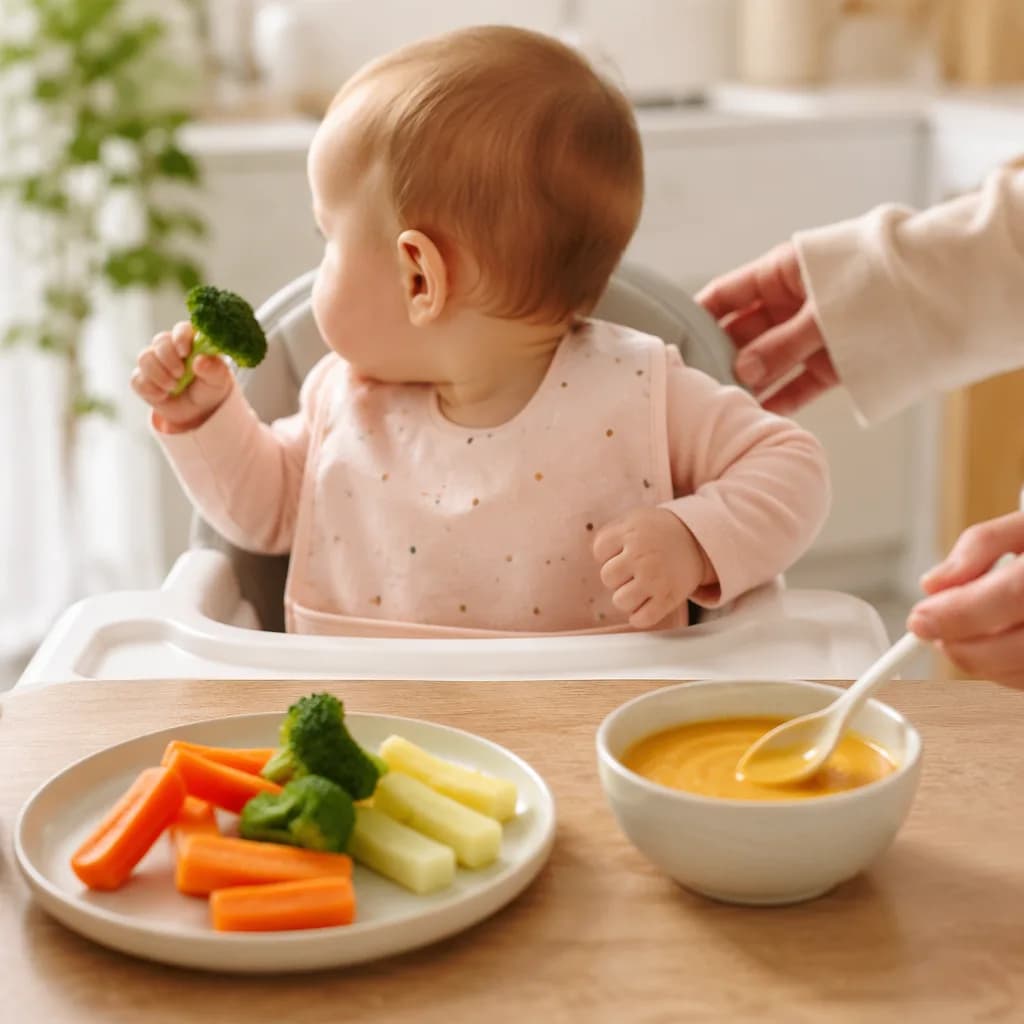
Baby led weaning vs purees: the quick answer
Baby led weaning means offering soft, graspable foods so your baby can self-feed from the start. Think a ripe avocado spear or a soft strip of roasted sweet potato. Purees for baby mean spoon-feeding smooth or mashed foods, with textures usually getting thicker and lumpier over time.
Neither method is automatically better. The best fit depends on your baby's readiness, your comfort level, your schedule, and any medical concerns your pediatrician wants you to consider.
Many families use both, and that counts. You might offer soft finger foods at breakfast, spoon-feed lentil puree at dinner, or hand your baby a preloaded spoon so they can bring it to their mouth. If you’re leaning toward self-feeding, Baby-Led Weaning Basics: Safe First Foods can help you picture what safe starts look like.
Whichever route you choose, the basics stay the same: safe food shapes, close supervision, patience, and iron-rich foods often. This guide to Iron-Rich Foods for Babies: First Foods That Work is a helpful next step. If you’re prepping purees ahead, keep Baby Food Storage: Fridge, Freezer, and Travel Tips handy too.
What baby led weaning looks like at the table
Baby led weaning usually starts with foods your baby can pick up and bring to their own mouth. Think a ripe avocado spear, a strip of omelet, or a soft roasted sweet potato wedge. The food is served in a shape that’s easy for little hands to hold, and baby gets to explore it at their own pace.
The main idea is control. Your baby decides what goes into their mouth, how fast they eat, and when they’re done. Some babies lick a piece of food and drop it. Some gum it, squish it, and wear half of it in their hair. That still counts as learning.
Parents often like baby led weaning because it can make family meals feel more natural. Baby can sit with everyone and eat a safe version of what’s already on the table. It also gives early practice with texture and self-feeding, with less spoon-feeding for you. If you’re trying this approach, our guide to Baby-Led Weaning Basics: Safe First Foods can help you picture what those first meals may look like.
There are hard parts too.
It’s messy. It can be slow. And yes, gagging can feel scary at first, even though it’s often part of learning how to manage food in the mouth. Start with calm, close supervision. Baby should sit upright, foods should be soft enough to squish between your fingers, and round firm foods need to be cut safely.
You’ll also want to think about variety over time, including options from Iron-Rich Foods for Babies: First Foods That Work and a calm plan for Introducing Allergens to Baby Safely and Calmly. For make-ahead pieces like roasted vegetables or omelet strips, safe storage matters too, so keep Baby Food Storage: Fridge, Freezer, and Travel Tips handy.
What starting with purees is really like
Purees are smooth or mashed foods offered by spoon, with the texture getting thicker and more varied over time. This is the traditional style of starting solids, and for many families, it feels familiar and manageable.
A real first meal might look like iron-fortified oatmeal thinned with breast milk or formula so it slips easily off the spoon. Later, that same oatmeal can be mixed thicker, then stirred with mashed banana as your baby gets more comfortable. If you’re thinking about iron from the start, this guide to iron-rich foods for babies can help you build simple meals without overthinking it.
Parents often like purees because they’re tidier than self-feeding. You can usually tell how many spoonfuls your baby ate, which can feel reassuring in those early weeks. Purees also make it easy to introduce single foods one at a time, including common allergens when your baby is ready. If that part feels nerve-wracking, introducing allergens safely and calmly is a good place to start.
There are a few tradeoffs. If foods stay completely smooth for too long, some babies may have a harder time accepting lumps, thicker textures, or finger foods later. The goal isn’t to stay on silky purees forever. Textures should gradually advance, and babies should begin table foods at about 9 months. If you’re curious about that next step, baby-led weaning basics and safe first foods can make finger foods feel less mysterious.
Spoon-feeding also doesn’t mean coaxing one more bite. Watch your baby. Turning away, closing the mouth, fussing, or leaning back are all signs to pause. And if you’re making batches ahead, here’s a practical guide to baby food storage.
Readiness signs matter more than the method
Before choosing baby-led weaning, purees, or a mix of both, look at readiness first. Most babies are ready for solids around 6 months old, but the calendar isn’t the only guide.
Common signs include:
- Sitting with support
- Good head and neck control
- Bringing objects to their mouth
- Showing interest in food, like watching you eat or reaching toward your plate
- A fading tongue-thrust reflex, which means baby is less likely to push food right back out with their tongue
That tongue-thrust reflex piece matters for both spoon-feeding and finger foods. If you offer a spoonful of puree and most of it comes right back out, your baby may simply need more time. Same with soft finger foods from Baby-Led Weaning Basics: Safe First Foods. Waiting a couple of weeks is often kinder than trying to push a baby who isn’t quite ready.
It’s also helpful to remember that solids are called complementary feeding for a reason. In the beginning, babies are learning, tasting, touching, and practicing. They still get most of their nutrition from breast milk or formula, so starting solids early to improve sleep usually isn’t the answer.
If your baby was premature, has feeding delays, poor weight gain, reflux concerns, or any history of choking or swallowing trouble, check with your pediatrician before starting. You can still plan ahead by reading about Iron-Rich Foods for Babies: First Foods That Work, Introducing Allergens to Baby Safely and Calmly, and Baby Food Storage: Fridge, Freezer, and Travel Tips. Then start when your baby’s body says, “I’m ready.”
Safety, gagging, and choking: what parents should know
The safety piece can feel like the loudest part of starting solids. Totally understandable.
Gagging and choking are not the same thing. Gagging is usually noisy and active: coughing, sputtering, watery eyes, maybe a red face. It can look scary, but baby is moving air and working the food forward. Choking may be quiet. Baby may be unable to cough, cry, or breathe, and that needs immediate action.
Both baby led weaning and purees can be safe when foods are prepared correctly and baby is supervised. The method matters less than the setup: baby upright, food texture matched to their skills, and an adult close by and paying attention. If you're trying finger foods, Baby-Led Weaning Basics: Safe First Foods is a helpful next read.
Some foods need to be avoided or changed because of their shape or texture. Watch out for whole grapes, hot dog coins, raw apple chunks, nuts, popcorn, hard crackers, globs of nut butter, and firm round foods. A few simple changes make a big difference: quarter grapes lengthwise, thin nut butter into yogurt or oatmeal, steam carrots until they squish easily between your fingers, and remove slippery peels when needed.
Have baby sit upright in a high chair for meals. Skip snacks in the car seat or stroller, even if it seems convenient, because you can’t watch or respond the same way. Before starting solids, learn infant choking first aid so you’re not trying to figure it out in the moment.
Gagging often decreases with practice as babies learn how food moves around their mouth. Still, trust your gut. If something feels off, or gagging seems intense or persistent, talk with your pediatrician.
For practical meal prep, you may like Baby Food Storage: Fridge, Freezer, and Travel Tips. If you’re planning early menus, these guides on Introducing Allergens to Baby Safely and Calmly and Iron-Rich Foods for Babies: First Foods That Work can help too. And if you’re also choosing names during this season, here’s one to save for later: Tanmay Suresh Upadhyay: meaning & origin.
Nutrition differences between baby led weaning and purees
By around 6 months, iron and zinc deserve extra attention no matter how you start solids. The method can look different, but the nutrition goal is the same: give baby regular chances to practice eating while offering foods that help fill those early nutrient gaps.
With spoon-feeding, that might look like iron-fortified cereal mixed with breast milk or formula, or a smooth puree made with meat. If you’re self-feeding, it might look like soft meatballs, shredded chicken, lentil patties, or egg strips cut in a safe shape. If you want more ideas, this list of iron-rich foods for babies is a helpful place to start.
Intake often looks different at first. A puree-fed baby may swallow more during those early meals because the food is delivered by spoon. A baby doing baby led weaning may spend weeks tasting, squishing, licking, dropping, and practicing. That’s normal. Early solids are partly about skill-building, and breast milk or formula remains the main source of calories in the beginning.
Allergens can feel like a big step, too. Common allergens can often be introduced in safe forms once baby is ready for solids, unless your pediatrician has given you different guidance. For a calm walkthrough, see introducing allergens to baby safely and calmly.
A practical rhythm: offer one iron-rich food each day, even if most of it ends up on the bib. Keep portions small, store extras safely with these baby food storage tips, and review safe first foods for baby led weaning if you’re offering finger foods. And if you’re here after reading baby names like Tanmay Suresh Upadhyay, welcome. Feeding research rabbit holes are very real.
How to choose the method that fits your family
Try not to make this a purity test. Baby led weaning, purees, or both can all help your baby move toward table foods. The better question is: what fits your actual Tuesday night?
Time matters. Mess tolerance matters. So do childcare rules, family meals, budget, and how anxious you feel watching your baby eat. If the idea of food in the high chair straps makes your eye twitch, that counts. If spoon-feeding feels calmer because you can see how many bites went in, that counts too.
Baby led weaning may fit well if you’re comfortable preparing safe pieces of food, you like the idea of baby eating versions of what the family is having, and you can live with the mess. A helpful starting point is Baby-Led Weaning Basics: Safe First Foods, especially if you want a clearer picture of what “safe table food” can look like.
Purees may feel better if you want a gentler start, your daycare is more comfortable with spoon-feeding, or you want to track intake more closely. They can also be practical if another caregiver is feeding baby and feels unsure about finger foods. If you’re batch-making or packing meals, Baby Food Storage: Fridge, Freezer, and Travel Tips can make the logistics less annoying.
Many families land in the middle. In one week, baby might have a preloaded spoon with yogurt, soft strips of toast, mashed beans, and banana spears. If dinner is chicken, rice, and broccoli, baby might get shredded soft chicken, a broccoli floret with a long stem, and a spoon of mashed rice with broth. You can still think about variety, including Iron-Rich Foods for Babies: First Foods That Work, and handle new foods calmly with Introducing Allergens to Baby Safely and Calmly.
Switching is allowed. A baby who starts on purees can learn finger foods, and a baby led weaning family can still use a spoon.
And if you’re up late reading baby feeding articles next to name pages like Tanmay Suresh Upadhyay: meaning & origin, you’re in good company. Parenting research often happens in tiny pockets of quiet.
A simple first week plan using both methods
You don’t have to choose one lane forever. Purees and baby-led weaning can sit at the same high chair tray, especially in that first week when everyone is figuring out what feels comfortable.
Start with one small meal a day. That’s plenty at first. If baby licks the food, drops it, smears it into the tray, or makes a face like you’ve offered wallpaper paste, that still counts as learning.
Day 1: Offer a small amount of iron-fortified oatmeal on a spoon. Let baby hold the spoon or touch it if they’re interested. It may be more hand painting than eating, and that’s okay. For more ideas like this, keep a short list from Iron-Rich Foods for Babies: First Foods That Work.
Day 2: Try a soft avocado spear baby can grip, or mashed avocado on a preloaded spoon. You can offer both and see what they do.
Day 3: Offer mashed lentils or a thick lentil puree. Add a little water in an open cup for practice, even if most of it lands on the bib.
Day 4: Serve a soft cooked sweet potato wedge that baby can hold, plus a few spoonfuls mashed. This is a nice “both methods” meal because baby gets texture and spoon practice at once.
Day 5: Try plain full-fat yogurt on a preloaded spoon if dairy is appropriate for your baby. If you’re thinking through timing and reactions, Introducing Allergens to Baby Safely and Calmly can help you feel less scattered.
Day 6: Offer soft scrambled egg strips, or well-cooked egg mashed with a little breast milk, formula, or water.
Day 7: Repeat a food baby seemed comfortable with. Repetition helps more than a brand-new food every day.
If you’re prepping ahead, even tiny portions need safe storage, so bookmark Baby Food Storage: Fridge, Freezer, and Travel Tips. And if finger foods make you nervous, start with Baby-Led Weaning Basics: Safe First Foods before you cook.
Tiny side note: if you’re reading baby name meanings during nap trap research, Tanmay Suresh Upadhyay: meaning & origin is there for your next quiet scroll.
Common mistakes that make solids harder
Starting solids can feel surprisingly emotional. A few tiny tweaks can make meals calmer for you and more useful for your baby.
- Starting before baby is ready. If food keeps getting pushed right back out, it may be the tongue thrust reflex, not “failure.” Waiting until baby is truly ready can save everyone a lot of frustration.
- Staying with completely smooth purees for too long. Purees are a fine way to begin, but textures should gradually move forward. Try thicker purees, mashed foods, and eventually soft finger foods so baby gets practice with new mouth movements.
- Offering risky shapes or textures. Foods that are too hard, too round, too sticky, or cut into unsafe pieces can make meals stressful. If you’re trying self-feeding, Baby-Led Weaning Basics: Safe First Foods is a helpful place to start.
- Pushing “just one more bite.” When baby turns away, clamps their mouth, fusses, or starts playing more than eating, they may be done. Extra pressure can turn the high chair into a power struggle fast.
- Comparing babies. One baby may gobble yogurt at 6 months, while another mostly chews on the spoon and grins. Both can be learning.
- Forgetting iron-rich foods. Fruit is easy and usually well-liked, but early meals shouldn’t be mostly fruit. Babies need chances to try foods with iron too, like the ideas in Iron-Rich Foods for Babies: First Foods That Work.
- Wiping constantly during the meal. A quick clean-up at the end is enough most days. Touching, squishing, and smelling food is part of learning, even when it’s messy.
If you’re batch-prepping purees or soft foods, Baby Food Storage: Fridge, Freezer, and Travel Tips can help. And once you’re ready for common allergens, keep it calm and simple with Introducing Allergens to Baby Safely and Calmly. Also, if you need a tiny mental break after scrubbing banana off the floor, name pages like Tanmay Suresh Upadhyay: meaning & origin are oddly soothing.
Frequently Asked Questions
Is baby led weaning better than purees?
No. Baby led weaning and purees can both work well. The better choice is the one that feels safe, realistic, and responsive for your baby.
Can I do baby led weaning and purees together?
Yes. Many families use both. You can offer soft finger foods, mashed foods, and preloaded spoons at the same meal.
Do babies choke more with baby led weaning?
Research suggests choking risk is not higher when foods are prepared safely and babies are supervised. Unsafe food shapes are the bigger concern.
When should babies start solids?
Most babies are ready around 6 months, when they can sit with support, hold their head steady, and show interest in food.
Are purees bad for babies?
No. Purees are a normal starting option. Just add thicker textures and soft finger foods over time so baby gets practice chewing.
What foods should I offer first?
Start with soft, safe, iron-rich foods such as iron-fortified oatmeal, lentils, egg, soft meat, beans, or mashed tofu.
How much should my baby eat at first?
Very little. A few tastes once a day is enough at the start. Breast milk or formula still provides most nutrition.
What if my baby gags on finger foods?
Gagging can be normal as babies learn. Keep baby upright, stay close, use safe food shapes, and talk to your pediatrician if you're worried.
Frequently asked questions
Is baby led weaning better than purees?
Can I combine baby led weaning and purees?
When can my baby start baby led weaning or purees?
Is gagging normal with baby led weaning?
Do babies get enough iron with baby led weaning?
References
Sources
External research this article was grounded in.
- Baby-led weaning vs Puree: Which method is better? | Huckleberryhuckleberrycare.com
- Baby Games - Free Online Games For Kids - BabyGames.Combabygames.com
- Purees, Baby-Led Weaning, or Both? What Actually Matters When Starting Solids - PedsDocTalkpedsdoctalk.com
- Baby Led Weaning vs. Purees: Pros & Cons - Eat Play Say Blogeatplaysay.com
- Purees Vs. Baby-Led Weaning: Which Feeding Method Is Right?babybabbleblog.com
Related reading
More from the journal →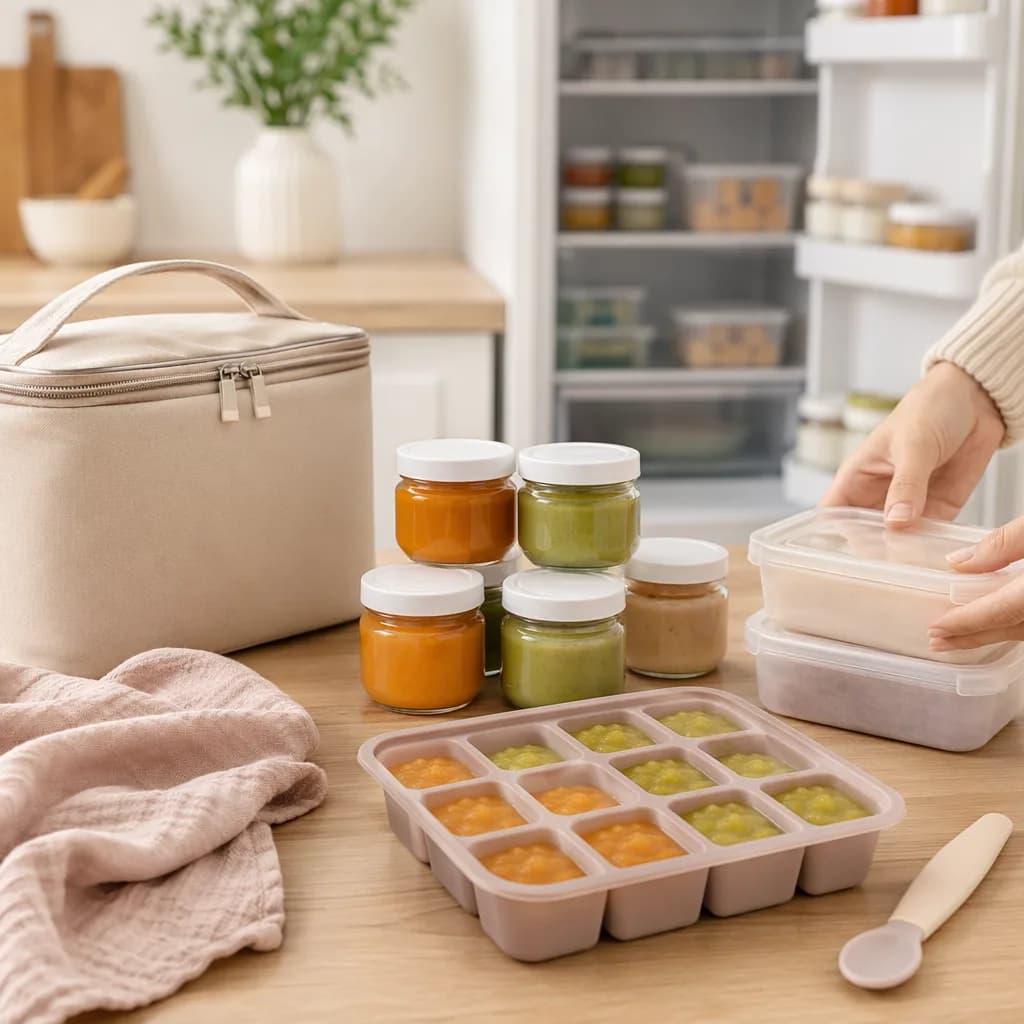 baby-food
Baby Food Storage: Fridge, Freezer, and Travel Tips
Simple baby food storage rules for the fridge, freezer, and diaper bag, including how long purees last and when to toss leftovers.
14 min readJul 4, 2026 baby-food
Baby-Led Weaning Basics: Safe First Foods
A calm starter guide to baby-led weaning, with readiness signs, safe first foods, choking basics, and simple ways to begin.
13 min readJul 3, 2026- baby-food
Introducing Allergens to Baby Safely and Calmly
A calm, practical guide to introducing baby allergens safely, with timing tips, safe textures, high-risk cautions, and what reactions to watch for.
12 min readJul 3, 2026