
Akira
Japanese
Akira is a Japanese unisex name most often connected with meanings like "bright" and "clear," depending on the kanji used. It can be written with characters such as 昭, 明, 亮, or 晶, among others.
85
Just added: the newest names in our collection.
8,631 names
8,631 names
Japanese
Akira is a Japanese unisex name most often connected with meanings like "bright" and "clear," depending on the kanji used. It can be written with characters such as 昭, 明, 亮, or 晶, among others.

Japanese
Akane is a Japanese feminine name meaning "deep red" or "dye from the rubia plant." It can also carry other meanings depending on the kanji chosen by the family.
Japanese
Reina is a feminine name with several roots, including Japanese meanings such as “wise” or “beautiful,” depending on the characters used. It also means “queen” in Spanish and is linked with “purity” in Yiddish.

Japanese
Sana is a Japanese feminine name often connected with ideas of genuineness, honesty, and sincerity. In other naming traditions, Sana is also associated with Arabic meanings such as “splendid,” “brilliant,” or “mountaintop.”
Japanese
Moeka is a Japanese feminine name often understood as “sprouting flower” or “new growth and freshness,” especially with kanji such as 萌花, 萌香, or 萌華. Its exact meaning can shift depending on the kanji chosen.
Japanese
Mayu is a Japanese feminine name often understood through kanji such as 真優, meaning “genuine gentleness” or “true excellence.” It can also be written with other kanji, giving it meanings like “full evening” or, in some spellings, “cocoon.”
Japanese
Madoka is a Japanese given name usually written in hiragana as まどか, with meanings that depend on the kanji chosen. Possible meanings include ideas such as "circle," "roundness," or "calm," based on kanji such as 円 and 和.
Japanese
Karin is a Japanese girls' name that can be written 花梨, meaning Chinese quince, quince, or Burmese rosewood. It is unrelated to the Western name Karin, which developed as a form of Katherine and is often linked with the meaning "pure."

Japanese
Haruna is a Japanese girl name whose exact meaning depends on the kanji chosen. It is also connected by sound and spelling to Mount Haruna in Japan, the namesake of the Japanese ship Haruna.
Japanese
Fuka is a Japanese girls' name whose meaning depends on the kanji chosen by the family. Without a confirmed kanji spelling, it is safest to understand Fuka as a soft, two-syllable Japanese name rather than attach one fixed meaning to it.
Japanese
Emi is a Japanese feminine name whose meaning changes with the kanji used. Common meanings include “blessing, beauty,” “picture, beauty,” “smile,” and “wisdom, beauty.”
Japanese
Haruki is a Japanese masculine and neutral name whose meaning changes with the kanji chosen. Well-known written forms include combinations such as 春樹, 晴樹, 治樹, 晴喜, and 遥輝.
Japanese
Airi is a Japanese girl name whose meaning depends on the kanji chosen to write it. Commonly, parents may choose kanji sounds read as ai and ri, so the name can carry gentle ideas such as love, affection, jasmine, pear, village, or reason, depending on the spelling.

Japanese
Taiga is a Japanese boy name whose meaning depends on the kanji chosen. One well-known historical spelling is 大雅, used by Edo-period artist Ike no Taiga, which is commonly understood through the ideas of greatness and elegance.

Japanese
Yusuke is a masculine Japanese name with meanings that change depending on the kanji chosen. Common readings include ideas like courage, friendship, masculinity, abundance, helping, and support.

Japanese
Takeru is a Japanese boy name whose meaning changes with the kanji chosen. Common meanings include "warrior," "fierce," "health," "noble," and "mountain."
Japanese
Shun is a short, crisp Japanese boy name. Its meaning depends on the kanji chosen, and one well-known writing, 旬, connects to seasonality, timing, and a thing at its peak.

Japanese
Ryota is a Japanese boy name that can be written with kanji such as 涼太, 亮太, or 良太. Depending on the kanji, it can suggest refreshing, brightness, goodness, and a big or strong quality.
Japanese
Keita is a Japanese boy name whose meaning depends on the kanji chosen by the family. Without a specific kanji spelling, it is best understood by sound and style: bright, crisp, and energetic.
Japanese
Junpei is presented here as a Japanese boy name, but the provided source material does not verify a specific kanji spelling or meaning. In Japanese, a name's meaning can depend on the characters chosen, so parents should confirm the intended kanji with a trusted Japanese-language source or family speaker.

Japanese
Issei is a Japanese boy name with many possible kanji meanings, often built from a first element meaning “one” and a second element such as “life,” “growth,” “truth,” “star,” or “generation.” It can also echo the Japanese word 一世, meaning “first generation.”

Japanese
Fumiya is a Japanese masculine name associated with written works, historical records, and a feeling of calm or ease. It has a thoughtful, gentle sound with a polished Japanese style.
Japanese
Eiji is a Japanese boy name. Its exact meaning depends on the kanji chosen by the family, so it can carry different shades of meaning in different households.

Japanese
Daisuke is a Japanese boy's name with a clear, energetic sound. Its exact meaning depends on the kanji chosen by the family, so the romanized form alone does not give one fixed meaning.
Japanese
Arata is a masculine Japanese given name whose meaning depends on the kanji chosen to write it. As a Japanese surname, it is often written with kanji connected to fields, such as “uncultivated field” or “new field.”

Japanese
Akihiro is a Japanese boy name whose meaning depends on the kanji chosen by the family. It is commonly appreciated for a bright, open, expansive feeling.

Spanish
Mara Cristina Zamora is a Spanish-style full name built from Mara, Cristina, and the surname Zamora. The supplied sources do not give a secure baby-name meaning for Mara or Cristina, but they do show Mara in Buddhist tradition and Zamora appearing in Spanish-language family records.

Spanish
Saúl is the Spanish form of Saul, from the Hebrew Sha'ul, meaning "asked for" or "prayed for." Saúl Benjamín Pastor feels warm, serious, and deeply rooted, with a gentle religious and family-centered tone.
Spanish
Emma Júlia Soler brings together the widely loved given name Emma, the graceful middle name Júlia, and the Spanish surname Soler, a local surname tied to places named Soler. Soler is reported as coming from a place-name meaning "site" or "plot," ultimately connected to Late Latin "solarium."

Spanish
César Joel Sanz is a Spanish masculine full name made from the given names César and Joel plus the surname Sanz. The provided sources support César as a used personal name and list several public figures named César, but they do not give a verified literal meaning for the full name.

Spanish
Daniel comes from the Hebrew Dānīyyēʾl, meaning "God is my judge." Daniel Iker Merino reads as a Spanish boys' name with a strong biblical first name, a compact modern middle, and a familiar Spanish surname.

Spanish
Damián Gabriel Pizarro brings together a classic Spanish given-name style with Pizarro, a Spanish surname linked to pizarra, meaning slate. The full name feels strong, Catholic-influenced, and distinctly Spanish-speaking, with a Chilean sports connection through soccer player Damián Pizarro.

Spanish
Sergio Blas Navarro is a Spanish masculine full name with a polished, steady sound. The supplied sources do not verify the individual etymologies of Sergio, Blas, or Navarro, so its meaning is best treated with care rather than overstated.

Spanish
Víctor Saúl Calvo is a Spanish boy’s name with a strong, traditional feel. The sourced meaning comes from Calvo, a Spanish, Italian, and Portuguese surname from Latin “calvus,” meaning “bald,” originally used as a nickname for a bald or shaven-headed person.
Spanish
Rubén Octavio Carrasco is a Spanish masculine name with a strong family-name ending. The surname Carrasco is a locational Spanish surname tied to a place called Carrasco in the province of Salamanca.

Spanish
Héctor comes from Greek Hektor, probably linked to ékhein, meaning "to have," "to hold," "to check," or "to restrain." Héctor Samuel Ponce reads as a strong Spanish name with an ancient first name and the surname Ponce.
Spanish
Álvaro is the Spanish form of Alvarus, from a Visigothic name possibly meaning “all aware,” “all cautious,” or “all guard.” Paired with Iván and Redondo, the full Spanish name has a strong, polished sound.

Spanish
Julián César Barrios is a Spanish masculine name with a strong, classic feel. The surname Barrios is a Spanish local surname tied to someone who lived near a gate, fence, or barrier.

Spanish
Nicolás comes from the ancient Greek Nikolaos, meaning "victory of the people." Nicolás Gael Castaño has a bright Spanish sound, with a first name tied to strength, community, and long Christian tradition.

Spanish
Hugo is the Old German form of Hugh, a name traditionally connected with mind, spirit, and intellect. Martín adds a classic Spanish saint-name feel, while Caballero means knight in Spanish.

Spanish
Clara comes from the Late Latin Clarus, meaning “clear, bright, famous.” Clara Jimena Serrano feels luminous and grounded, with a Spanish sound that is graceful, warm, and easy to say.

Spanish
Lucía is traditionally associated with light, while Inés is associated with purity or holiness. Valverde reads as a Spanish surname with a green, place-name feeling, giving the full name a graceful sense of brightness, gentleness, and rooted heritage.
Spanish
Irene is traditionally understood as a name meaning “peace.” Paired with Valeria and Cordero, Irene Valeria Cordero has a graceful Spanish sound with a calm, steady, family-name finish.
Yoruba
Simisola is a Yoruba name from Nigeria connected with “rest” and “ola,” meaning wealth, honor, or riches. It is often understood as “rest in wealth” or, in a broader prayerful sense, “God has given me wealth.”
Yoruba
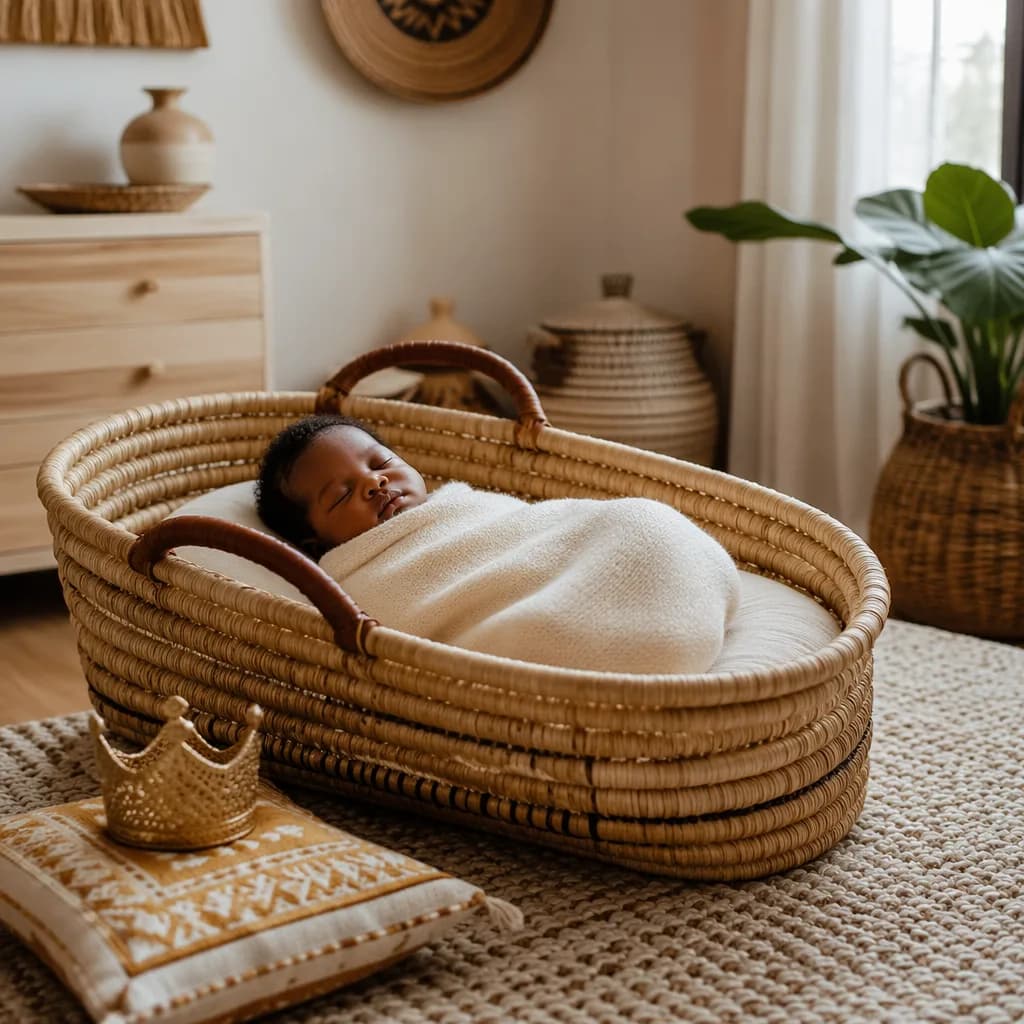
Damilare Oluwafemi Adeyemi is a Yoruba boy's name with a royal, faith-filled family-name ending. The sourced meaning for Adeyemi is “the crown or royalty befits me,” or “the crown is meant for me.”
Yoruba
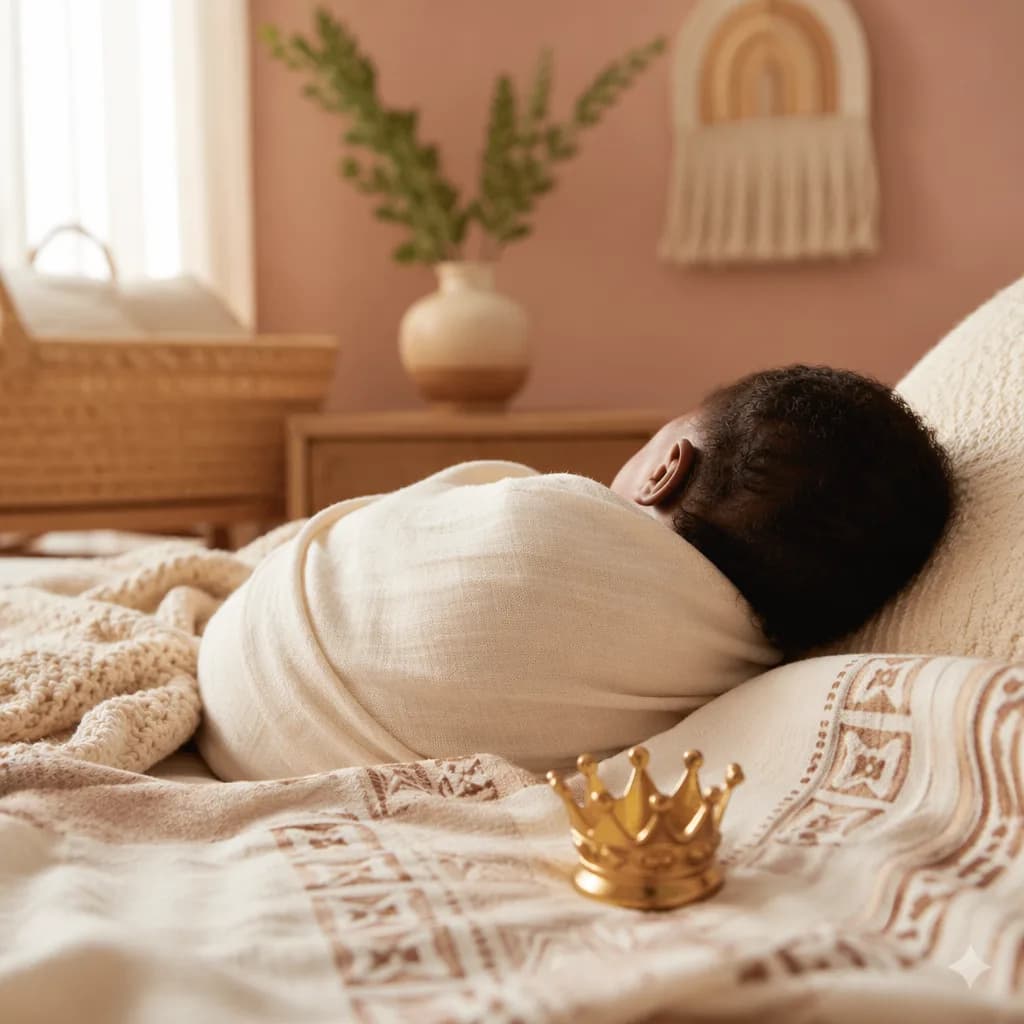
Ibidun Oluwademilade is a Yoruba name combination often understood as a joyful birth joined with God’s crowning or honor. Together, it carries the feeling of a child welcomed with sweetness, gratitude, and blessing.
Tamil
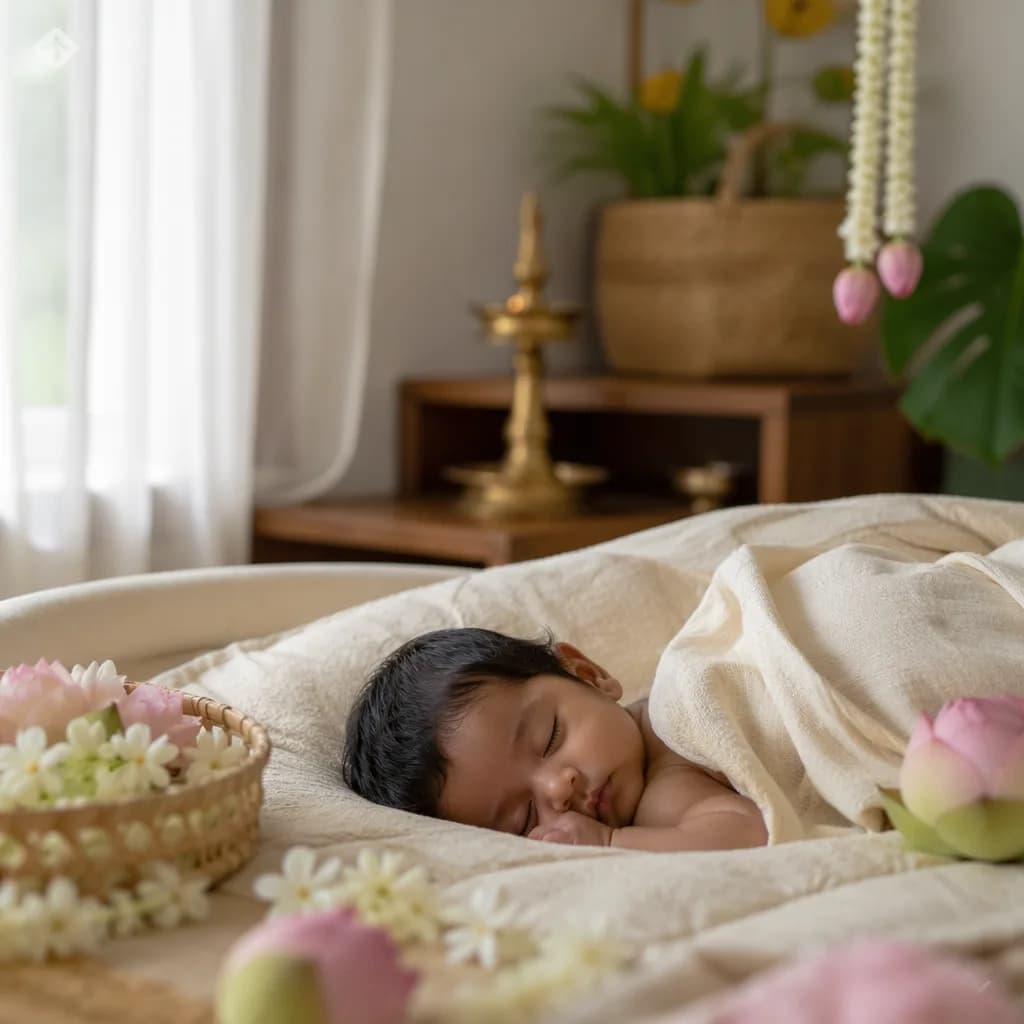
Poovizhi is a Tamil girl name often understood as “flower-like eyes” or “one with beautiful, blossom-like eyes.” It comes from Tamil elements associated with flowers and eyes.
Yoruba
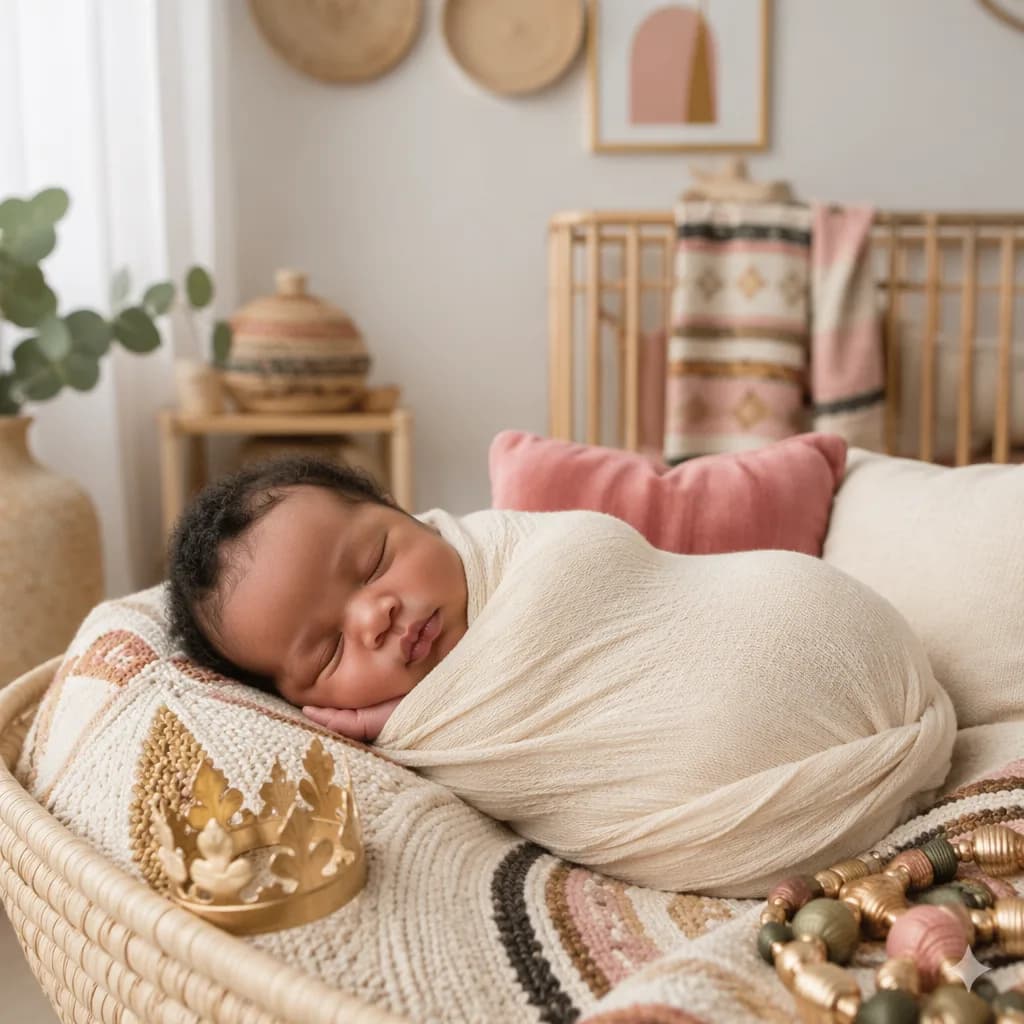
Temilade is a Yoruba feminine name meaning “the crown is mine” or “royalty is mine.” In the full name Temilade Anjolaoluwa Fadeyi, Temilade gives the name a regal, cherished feeling.

Tamil
Velvizhi is a feminine Tamil name commonly understood as “spear-like eyes” or “eyes like a spear.” The image suggests bright, sharp, striking eyes with a poetic kind of strength.

Tamil
Tamilini is a Tamil girl name commonly listed with the meaning “success” or “winning.” It has a bright, encouraging feel, with a sound that’s gentle and distinctly Tamil.