Quick facts
Last updated June 2026
What it means
“Oreoluwa Boluwatife is a Yoruba compound name meaning “God’s gift, God loves me” or “the Lord’s blessing, as God loves me.” It carries a gentle, faith-filled feeling: a child received with gratitude and covered in divine love.”
Oreoluwa Boluwatife is a long, prayerful Yoruba name with a warm devotional center. Oreoluwa is commonly understood through the Yoruba elements “ore,” meaning gift, favor, or goodness, and “Oluwa,” meaning God or Lord. Put together, it has the sense of “God’s gift,” “the Lord’s favor,” or “God’s goodness.” Boluwatife adds another tender layer. The supplied source from Namepedia explains Boluwatife as a Yoruba name from Nigeria, built from “Boluwa,” connected with “Oluwa,” meaning God or Lord, and “tife,” from “ti fẹ,” meaning “loves me.” The full sense is “God loves me” or “as God loves me.” MomJunction gives a related interpretation: “God wishes” and “one who follows the will of God.” Together, Oreoluwa Boluwatife feels like a sentence of thanks. It doesn’t just name a child. It tells a small family story: this baby is received as a gift, and this child is loved by God. Many Yoruba names work this way, carrying faith, gratitude, hope, family memory, or the circumstances around a birth. A parent might choose a name like this after a long wait for a baby, after a difficult pregnancy, after a season of prayer, or simply because the meaning says exactly what their heart feels. Because both parts include reference to Oluwa, the name has a strong theophoric quality, meaning God is built right into the name. That gives Oreoluwa Boluwatife a steady, reverent sound. It’s also flexible in daily life. A child might use the full name at ceremonies, school registration, or family gatherings, while loved ones shorten it to Ore, Tife, Bolu, Oluwa, or Tiffy at home. The full form is substantial, but the nickname options make it easy to live with.
Why parents love it
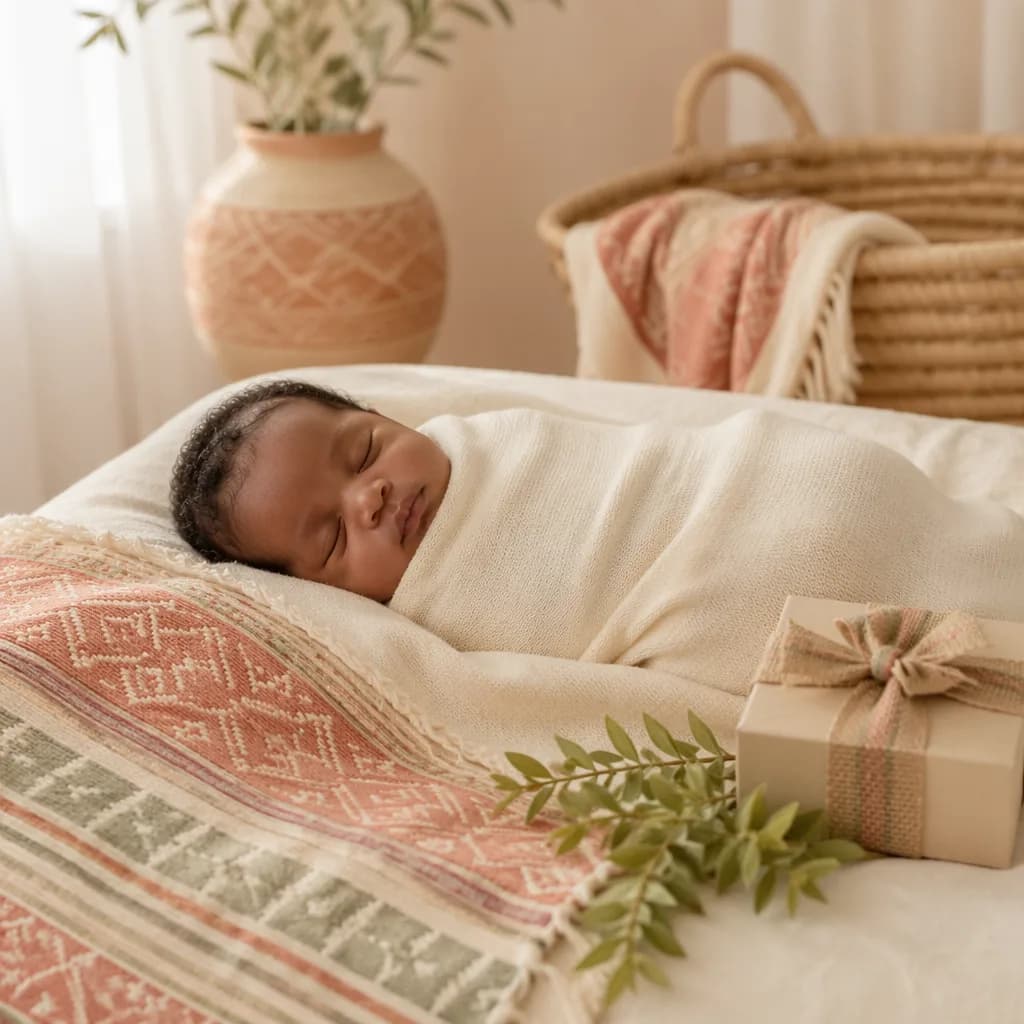
Parents love Oreoluwa Boluwatife because it says something deeply personal without needing a long explanation every time. The name feels like a blessing spoken out loud. If you’ve ever looked at your baby sleeping and thought, “I can’t believe we get to love this child,” this name has that same feeling. It’s also practical in a sweet way. The full name is formal, meaningful, and ceremony-ready, while the nicknames are easy for daily use. Ore is gentle. Bolu is friendly. Tife feels bright and affectionate. A child can grow into the full strength of Oreoluwa Boluwatife and still have a simple name for playground introductions, birthday cards, and family group chats. For Yoruba families, it keeps language and heritage close. For families in the diaspora, it can be a bridge between home and the wider world. The name gives a child a story they can carry: you were received as a gift, you are loved, and your name has roots. That’s a powerful thing to hand a child before they can even speak for themselves.
Heritage
In Yoruba naming tradition, a name can be much more than a pleasant sound. It can hold prayer, testimony, family gratitude, religious conviction, and the emotional weather around a child’s birth. The source material for Boluwatife notes that Yoruba names often encapsulate prayers, birth circumstances, or spiritual declarations, and that they may be given to invoke blessings. Oreoluwa Boluwatife sits right in that tradition. It sounds like something a parent might whisper over a newborn: you are God’s gift, and God loves you. The name also reflects the place of God-language in many Yoruba personal names. “Oluwa,” translated in the source as God or Lord, appears in both Oreoluwa and Boluwatife. That repetition gives the full name a deeply devotional tone. For families with Christian faith, traditional Yoruba religious inheritance, or a broader belief in divine care, the name can feel like a daily reminder that the child’s life is not random or ordinary. It has been marked with gratitude from the start. Geographically, Boluwatife is identified in the source as Yoruba and Nigerian, with Yoruba spoken primarily among Yoruba people in southwestern Nigeria, Benin, and Togo. In real family life, names like Oreoluwa Boluwatife may also travel through diaspora communities, where parents want a child to carry home, language, and meaning in one name. There isn’t a universal taboo attached to using it, but pronunciation matters. Saying each vowel clearly is a simple act of respect. If a teacher says “Boluwa” correctly on the first day of school, that child hears, in a very practical way, that their name belongs in the room.
Not enough popularity data to chart yet.
The meaning points to a child seen as a gift, so gratitude naturally sits at the heart of the name.
Boluwatife carries the idea of being loved by God, giving the name a soft and reassuring emotional tone.
Its strong spiritual meaning can give a child a steady sense of identity and belonging.
A name this meaningful often invites questions, stories, and a habit of looking beneath the surface.
Oreoluwa brings the feeling of blessing and favor, which gives the full name a bright family warmth.
Original
Oreoluwa Boluwatife
Transliterations
Its meaning, often understood as joy has come, pairs beautifully with the grateful feeling of Oreoluwa Boluwatife.
Short, clear, and meaningful, Ire balances the longer full name while keeping a Yoruba sense of blessing.
Grace echoes the name’s spiritual warmth and works well for families using both Yoruba and English names.
Ade is brief and strong, giving the full name a crisp ending if parents want something compact.
Maya has a soft international sound that sits gently beside the longer Yoruba first name.
Pair two names and see how they sound, flow, and feel together.
Generate a soothing personalised bedtime story starring your child.
Reveal the life-path and destiny numbers hidden in a baby name.
Playful, name-based personality sketch to share with friends.
No stories for Oreoluwa Boluwatife yet. Be the first!