
Introducing Allergens to Baby: A Calm Parent Guide

When to start introducing allergens to baby
Most babies can start common allergen foods around 6 months, once they’re showing signs they’re ready for solids. The timing matters, but readiness matters more.
Look for the basics: your baby can sit with support, has good head control, seems interested in food, and can move food back in their mouth instead of pushing everything right back out with their tongue. If you’re not sure what that looks like in real life, this guide on baby weaning signs can help you check the big readiness cues without overthinking every wiggle and grimace.
Don’t offer allergen foods before your baby is ready for solids. A tiny spoon of thinned peanut butter still counts as food, so your baby needs the same safe-start skills they’d need for puree or soft finger foods. At the same time, once solids are going well, try not to put allergens off for months just because it feels scary. A calm breakfast at home is a much better first try than waiting until you feel “perfectly ready,” because most of us never do.
Check with your pediatrician first if your baby has severe eczema, a known food allergy, or has already reacted to a food. That extra conversation can give you a safer plan and a little more confidence.
And yes, breastfeeding or formula feeding can continue as usual while solids begin. These early bites are practice, exposure, and learning. Milk feeds are still part of the rhythm.
If you’re the kind of parent saving every first in a baby book, right beside sweet details like Aurora’s meaning and origin or Tanmay Suresh Upadhyay’s meaning and origin, allergen foods may become another small milestone. Not flashy. Still meaningful.
The main baby allergen foods to know
The allergen foods parents usually hear about are peanut, egg, cow’s milk, wheat, soy, sesame, fish, shellfish, and tree nuts. That list can look intimidating at first, but the actual first taste is usually tiny and simple.
The big safety piece is form. A food can be okay as an ingredient and still be unsafe as a shape or texture. Whole nuts, hard chunks of food, and sticky globs of nut butter are choking hazards for babies. So instead of handing over a spoonful of thick peanut butter, you might thin a small amount with breast milk, formula, or warm water until it’s smooth and loose.
A few baby-friendly examples: thinned peanut butter, well-cooked egg mashed into another food, plain yogurt, soft pasteurized cheese, soft wheat pasta, tofu strips, hummus with sesame, or flaked well-cooked fish. For tree nuts, think thinned nut butter stirred into yogurt or cereal, not whole almonds or cashews.
Cow’s milk is a little different. It shouldn’t replace breast milk or formula before 12 months, but dairy foods like plain yogurt or cheese may be offered earlier if your baby tolerates them.
Use foods that fit your real life. If your family eats tofu every week, soy may be easier to keep in the rotation. If salmon is already a regular dinner, flaked cooked fish may feel natural. Regular exposure matters, so choose options you can actually repeat.
If you’re still checking readiness before starting solids, this guide on baby weaning signs is a helpful next read. And if you’re saving sweet name ideas between feeding notes, you might like Aurora or Tanmay Suresh Upadhyay.
How to introduce allergen foods safely at home
Pick a boring day.
That sounds funny, but it helps. Choose a day when your baby is healthy, rested, and at home with you, with enough time to watch them for about 2 hours after eating. This is not a first-try-at-daycare food. It’s also not a restaurant experiment or a “right before bedtime” moment, when you’re tired and second-guessing every sound on the monitor.
Start tiny. A smear on a spoon is enough. So is about a quarter teaspoon mixed into a familiar puree your baby already handles well. For example, you might stir a small amount of thinned peanut butter into oatmeal or mix mashed egg into a veggie puree.
Offer one new allergen at a time, especially for those first few exposures. If baby tries egg and peanut on the same morning and then develops a rash, it’s much harder to know what caused it. Keep the rest of the meal familiar and simple.
Texture matters, too. Match the food to your baby’s feeding stage:
- Smooth puree for a baby starting with spoon-feeding
- Soft mash for a baby ready for thicker textures
- Safe finger food for a baby who is already handling that style of eating
If you’re unsure whether baby is ready for solids in the first place, this guide on baby weaning signs can help you slow down and check readiness before adding allergens.
After the first small taste, stay nearby and watch. If there’s no reaction, offer a little more the next time, then keep that food in the rotation 2-3 times a week. One calm exposure is helpful, but regular exposure is the goal.
And yes, this can feel oddly emotional. One minute you’re googling peanut powder, the next you’re reading baby name pages like Aurora: meaning & origin or Tanmay Suresh Upadhyay: meaning & origin because parent brains do a lot at once. Go step by step. Keep it simple.
Peanut introduction for baby
Peanut is often the allergen that makes parents the most nervous. Totally understandable. A tiny smear can feel like a big moment.
In general, peanut can be introduced once your baby is ready for solids. If your pediatrician has recommended testing first because of severe eczema or another allergy, follow that plan before trying peanut at home. If you’re still deciding whether baby is ready for food, this guide on baby weaning signs can help you check the basics before you start.
The biggest safety rule: don’t offer whole peanuts or thick spoonfuls of peanut butter. Both can be choking risks.
A simple first try can look like this: mix 1 teaspoon of smooth peanut butter with warm water, breast milk, formula, or applesauce until it drips easily from the spoon. Start with a very small amount, about ¼ teaspoon, on a calm morning or lunchtime when baby is healthy and you’re home. Stay close and watch for 10-15 minutes.
Peanut powder can work well too. So can peanut puffs softened with breast milk, formula, or water, especially for babies who are already handling thicker textures. The goal is soft, thin, and manageable.
If baby tolerates peanut, keep it in the rotation. Serving it 2 or 3 times a week in safe forms helps keep exposure consistent, which is the part that matters after the first successful tastes.
Call your pediatrician or seek urgent help if your baby develops hives, repeated vomiting, coughing, wheezing, swelling of the lips or face, or sudden unusual sleepiness after eating peanut. Trust your gut here.
And yes, feeding milestones can send you down all kinds of baby rabbit holes, from allergens to names like Aurora or Tanmay Suresh Upadhyay. One small step at a time.
Egg allergy baby introduction: what parents should do
Egg can feel like a big one. Start on a calm day when your baby is healthy, home with you, and not about to nap. If you’re still deciding whether solids make sense right now, this quick guide on Baby Weaning Signs: Is Your Baby Ready for Food? can help you pause and check readiness first.
For a first egg taste, use well-cooked egg. Think soft scrambled egg strips, mashed hard-boiled egg mixed into yogurt, or egg baked into a soft pancake. Skip raw or runny egg for babies because of food safety concerns.
Begin tiny. About ¼ teaspoon is enough for that first exposure. Then stay close for 10-15 minutes and watch your baby. If they do well, you can slowly increase the amount over future servings and keep egg in the rotation 2-3 times a week. Repetition matters.
Some babies may tolerate baked egg before scrambled or boiled egg. But if your baby has already reacted to egg, don’t test that theory at home. Ask your pediatrician what the safest next step should be.
Signs of an egg reaction can include hives around the mouth, facial swelling, vomiting, coughing, wheezing, or sudden fussiness with a rash. If something feels off, stop feeding and get medical help based on your clinician’s guidance.
And if your baby has a confirmed egg allergy, follow the allergist’s plan rather than trying egg again at home.
Tiny side note from one parent brain to another: if you’re feeding eggs while also scrolling baby names like Aurora: meaning & origin or Tanmay Suresh Upadhyay: meaning & origin, maybe put the phone down for the first few bites. This is one of those moments where watching closely really helps.
What an allergic reaction can look like in a baby
Most first allergen tastes are uneventful, but it helps to know what you’re watching for before that spoon gets anywhere near your baby’s mouth.
A mild reaction can look like a few hives, mild redness around the mouth, or an itchy rash. Sometimes it’s subtle. You might notice a small patch on the cheek after yogurt, or a few raised bumps on the belly after egg. If your baby seems comfortable and is breathing normally, pause and take a breath.
Stop the food. If your baby is comfortable, take a quick photo of the rash so you can show your pediatrician what you saw. Then call the pediatrician for guidance, especially before offering that food again.
More concerning symptoms need faster action. These include repeated vomiting, swelling of the lips or tongue, coughing, wheezing, trouble breathing, pale skin, limpness, or unusual drowsiness. If your baby has breathing trouble, swelling of the tongue, repeated vomiting, or becomes floppy or very sleepy, call emergency services right away.
Timing matters too. Reactions usually happen within minutes to 2 hours after eating, though timing can vary. That’s why first tastes are best done at home earlier in the day, not right before a nap or bedtime.
One thing to skip: rubbing food on your baby’s skin as a “test.” It can irritate the skin, and it doesn’t prove the food is safe to eat. Eating and skin contact aren’t the same thing.
If you’re still deciding whether your baby is ready for solids at all, this guide on baby weaning signs can help you slow down and check readiness first. And if you’re here during a late-night planning session that somehow started with feeding and ended with baby names, we’ve all been there. You can peek at Aurora: meaning & origin or Tanmay Suresh Upadhyay: meaning & origin after the high chair is wiped down.
How often to keep serving tolerated allergen foods
Once your baby has tolerated an allergen more than once, the next step is keeping it in the rotation. Not every day. Not in a stressful, spreadsheet kind of way. Just regular, baby-safe meals that include those foods when they fit.
Think of it like this: peanut mixed into oatmeal on Monday, yogurt with fruit later in the week, soft scrambled egg mashed into a familiar veggie on Saturday. The goal is repeated exposure, because tolerance is built through repetition rather than one tiny taste and done.
Variety helps, too. You don’t need every allergen on the menu every week, and meals shouldn’t start feeling like a checklist. Rotate foods in a way that fits your family’s diet, budget, and preferences. If you’re still watching for readiness cues or figuring out textures, this guide on baby weaning signs can help you slow down and match food to your baby’s skills.
Life will interrupt this. A stomach bug, travel, teething, or a picky phase can knock foods out for a few weeks. When things settle, bring the tolerated allergen back in a small, safe amount and stay nearby like you did in the beginning.
One more gentle reminder: gagging is not the same as an allergic reaction, though wow, it can feel scary in the moment. Gagging often happens with learning textures. Allergic reactions are different, so keep observing calmly and trust yourself to pause if something feels off.
And if your feeding notes live beside baby name lists like Aurora or Tanmay Suresh Upadhyay, that’s parent life. We’re all doing our best with a lot of tabs open.
When to talk with your pediatrician or allergist
Most babies can start allergen exposure at home in small, safe amounts, but some families need a little more guidance first. Call your pediatrician before introducing allergens if your baby has severe eczema, already has a known food allergy, or has needed prescription skin treatment often.
It’s also reasonable to ask for advice if an older sibling has a serious food allergy and you feel nervous about trying that same food at home. That doesn’t mean your baby will have the same allergy. It just means you deserve a plan that feels safe and doable, especially if you’re worried about cross-contact in the kitchen.
After any reaction, reach out for care if you notice hives, swelling, vomiting, breathing changes, or symptoms that keep showing up with the same food. If something feels urgent, treat it as urgent.
Testing can help some babies, especially when there’s a clear concern. But broad testing without a specific reason can sometimes create confusing false positives, which may lead families to avoid foods unnecessarily. Your clinician can help decide whether testing makes sense or whether a supervised plan is a better fit.
If you do call, bring the details. Write down what your baby ate, how much they had, when symptoms started, and what helped. Photos of a rash or swelling can be incredibly useful, because symptoms often fade before the appointment.
And if you’re still deciding whether your baby is ready for solids at all, start there first with Baby Weaning Signs: Is Your Baby Ready for Food?. Save the name rabbit holes, like Aurora: meaning & origin or Tanmay Suresh Upadhyay: meaning & origin, for after the peanut butter spoon is washed.
Frequently Asked Questions
What age should I start introducing allergens to baby?
Most babies can start allergen foods around 6 months, once they’re ready for solids. Ask the pediatrician first if baby has severe eczema or a known allergy.
Should I introduce one allergen at a time?
Yes, it’s smart to start one new allergen at a time for the first few tries. That makes it easier to know what caused a reaction.
Can I give my baby peanut butter?
Yes, but thin smooth peanut butter with warm water, breast milk, formula, or puree. Never give thick spoonfuls or whole peanuts.
What is the safest way to introduce egg to baby?
Start with well-cooked egg in a soft texture, such as mashed hard-boiled egg or soft scrambled egg strips. Avoid raw or runny egg.
How long should I watch baby after a new allergen?
Watch baby for about 2 hours after the first few servings, since many food allergy reactions happen within minutes to 2 hours.
What should I do if baby gets hives after eating?
Stop the food and call your pediatrician for guidance. If hives come with breathing trouble, swelling, repeated vomiting, or limpness, call emergency services.
Do I need allergy testing before introducing baby allergen foods?
Most babies don’t need testing first. Babies with severe eczema, a known food allergy, or a past reaction should be checked by a clinician.
Frequently asked questions
When should I start introducing allergens to my baby?
Which allergen foods should babies try first?
How do I give peanut butter safely to a baby?
Should I introduce allergen foods one at a time?
When should I talk to the pediatrician first?
References
Sources
External research this article was grounded in.
- Safely Introducing Allergens to Your Baby: A Step-by-Step Guide - PedsDocTalkpedsdoctalk.com
- INTRODUCING | English meaning - Cambridge Dictionarydictionary.cambridge.org
- Introduce Allergenic Foods to Your Baby Safely and Confidently | Parenting Mentorparentingmentor.com
- Early Allergen Introduction for Babies: A Guide to Preventing Food Allergiesallergyasthmanetwork.org
Related reading
More from the journal →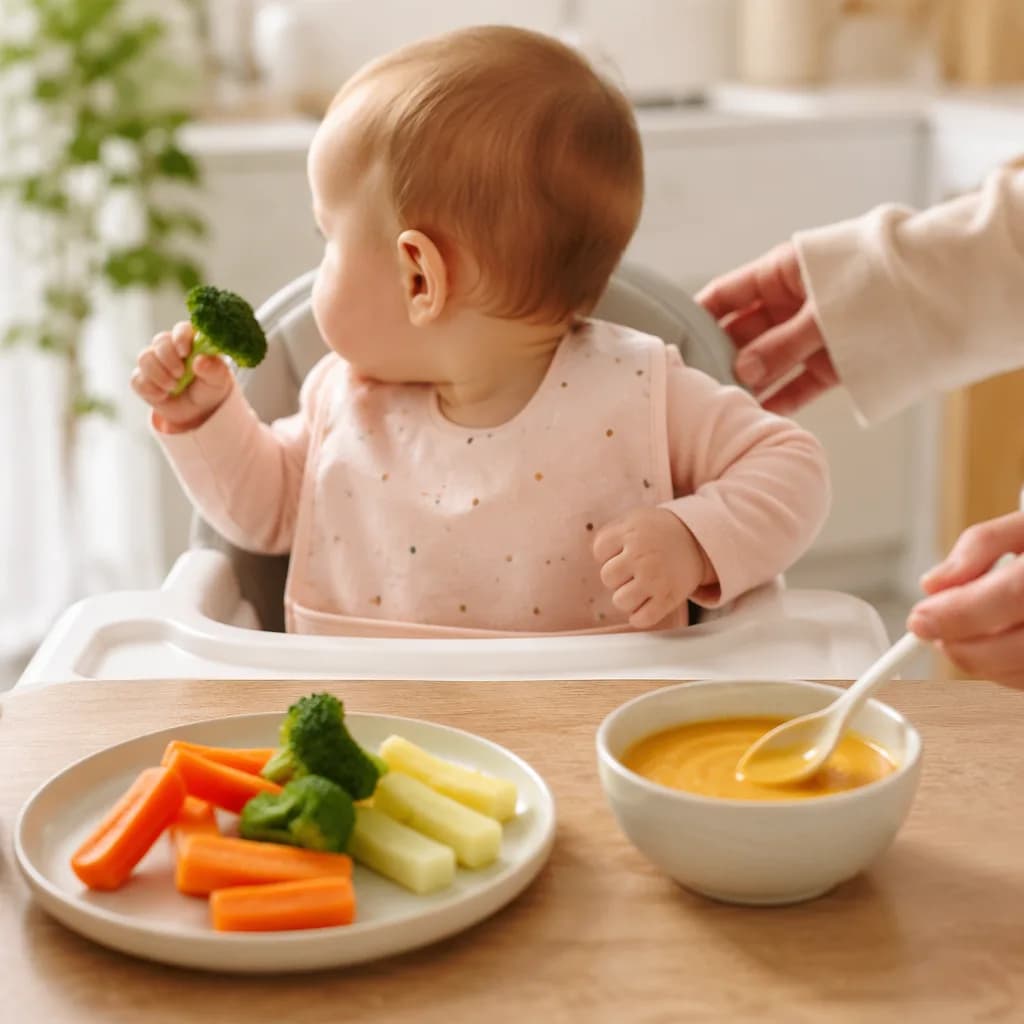 baby-food
Baby Led Weaning vs Purees: Which Fits Your Baby?
Baby led weaning and purees can both work. Here’s how to compare safety, mess, feeding skills, iron needs, and your real family schedule.
14 min readJul 18, 2026 baby-food
Baby Food Storage: Fridge, Freezer, and Travel Tips
Simple baby food storage rules for the fridge, freezer, and diaper bag, including how long purees last and when to toss leftovers.
14 min readJul 4, 2026 baby-food
Baby-Led Weaning Basics: Safe First Foods
A calm starter guide to baby-led weaning, with readiness signs, safe first foods, choking basics, and simple ways to begin.
13 min readJul 3, 2026