Quick facts
Last updated July 2026
What it means
“Annabel Ruth means something close to “lovable beauty and faithful friend.” Annabel comes from Amabel and was later shaped to look like Anna plus French belle, while Ruth is a long-loved biblical name associated with loyalty.”
Annabel Ruth has the kind of meaning many parents like because it feels gentle without being flimsy. Annabel is an English name, also used in Dutch, and it is best understood as a variant of Amabel. Amabel comes from the old idea of being lovable or worthy of love. Over time, the spelling Annabel seems to have been reshaped as though it were a blend of Anna and the French word belle, meaning “beautiful.” That gives Annabel its soft double feeling: loved and lovely. The name appears to have arisen in Scotland in the Middle Ages, which gives it a history that feels older than its polished, storybook sound. It sits near names like Annabelle, Annabella, Anabel, and Anabella, all of which share that same graceful bell ending. The final syllable gives the name a clear chime, which may be why Annabel feels both formal enough for a birth announcement and sweet enough for a preschool cubby label. Ruth adds a different kind of strength. It is short, plain in the best way, and deeply rooted in English-speaking naming tradition because of its biblical use. As a middle name, Ruth steadies Annabel. Annabel brings lace curtains, library books, and a little brightness. Ruth brings backbone. Together, Annabel Ruth feels balanced: romantic but not sugary, vintage but not dusty, recognizable but still uncommon. If you like names that sound classic and thoughtful, this pairing has a lot to offer. Picture calling “Annabel Ruth” across a garden or writing it on a first-day-of-school form. It has presence, but it doesn’t shout. It sounds like a name a child can grow into, from a tiny baby in footed pajamas to a grown woman signing her own work.
Why parents love it
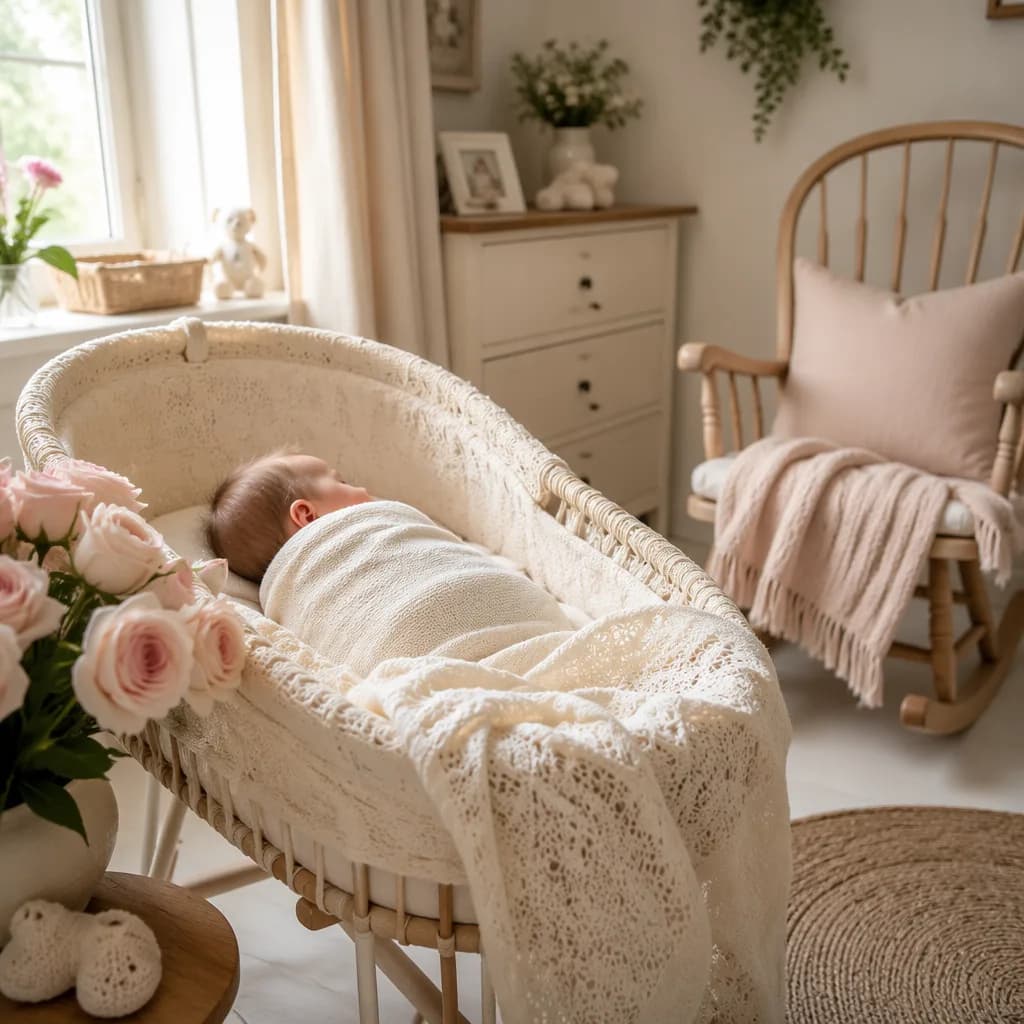
Parents often love Annabel Ruth because it gives them both softness and substance. Annabel is pretty, yes, but it isn’t empty decoration. Its history reaches back to Amabel, a name tied to being lovable, and its later shape hints at Anna and belle, which gives it that familiar “beautiful” feeling many people hear right away. Then Ruth changes the whole balance in the best way. If Annabel is the embroidered blanket, Ruth is the sturdy rocking chair. It makes the name feel less floaty and more real. You get sweet nicknames like Annie, Belle, Bella, Ruthie, and Rue, but the full name still sounds complete for report cards, college applications, wedding invitations, or a nameplate on an office door. It’s also a good choice if you want something recognizable but not everywhere. Annabel is known, easy to say, and close to popular favorites like Annabelle and Arabella, yet it sits outside the current U.S. top 1000 in the data provided. That gives your daughter a name people can understand without needing it repeated five times, while still leaving room for her to feel like herself.
Heritage
Annabel Ruth brings together two very different naming moods, and that’s part of its charm. Annabel has a medieval Scottish thread and a literary, romantic feel in English. Because it was altered as if it combined Anna and French belle, many English-speaking families hear it as pretty, refined, and warmly traditional, even though its deeper root is Amabel. It belongs to the same family of names as Annabelle, Annabella, and Anabel, so it feels familiar across several European naming styles without being tied to one narrow image. Ruth carries a more grounded cultural and religious weight. In English-speaking Christian and Jewish communities, Ruth is strongly associated with the biblical figure Ruth, remembered for loyalty and steadfast devotion. Even for families who are not religious, the name often reads as sincere, modest, and brave. It has a clean, old-fashioned sound that has come back into favor as parents rediscover short vintage names. There are a couple of cultural associations parents may want to know. Annabelle is also the title of a 2014 American horror film inspired by the doll Annabelle, and Netflix lists the film with actor Annabelle Wallis among the cast. For many families, that association is minor because Annabel without the final “le” feels softer and less tied to the movie spelling. Still, if horror references bother you, it’s good to say the name out loud and sit with it for a day or two. There are no common taboos attached to Annabel Ruth. It is clearly feminine in usual English use, easy to pronounce, and formal enough for a child who may want choices later.
Not enough popularity data to chart yet.
Annabel has a soft, bell-like sound and a meaning shaped by beauty and lovability, so the name naturally feels graceful.
Ruth gives the full name a grounded, loyal feeling that keeps Annabel from sounding too frilly.
The pairing feels literary and reflective, the kind of name that suits a child who watches closely before speaking.
With nicknames like Annie, Belle, and Ruthie, the name has plenty of everyday tenderness built in.
Annabel Ruth has a complete, grown-up sound, which gives it confidence beyond the baby years.
Original
Annabel Ruth
Transliterations
Claire keeps the name bright and simple, with a crisp ending after Annabel’s softer rhythm.
Jane gives Annabel a classic, no-fuss finish that feels sweet on a child and polished on an adult.
Florence leans into the vintage style and makes the whole name feel thoughtful and literary.
Kate adds a short, lively snap and keeps the full name from feeling too ornate.
Ruth grounds Annabel beautifully, adding loyalty, strength, and a warm biblical tradition.
Pair two names and see how they sound, flow, and feel together.
Generate a soothing personalised bedtime story starring your child.
Reveal the life-path and destiny numbers hidden in a baby name.
Playful, name-based personality sketch to share with friends.
No stories for Annabel Ruth yet. Be the first!