
Pacifier Pros and Cons by Age, Sleep, and Weaning
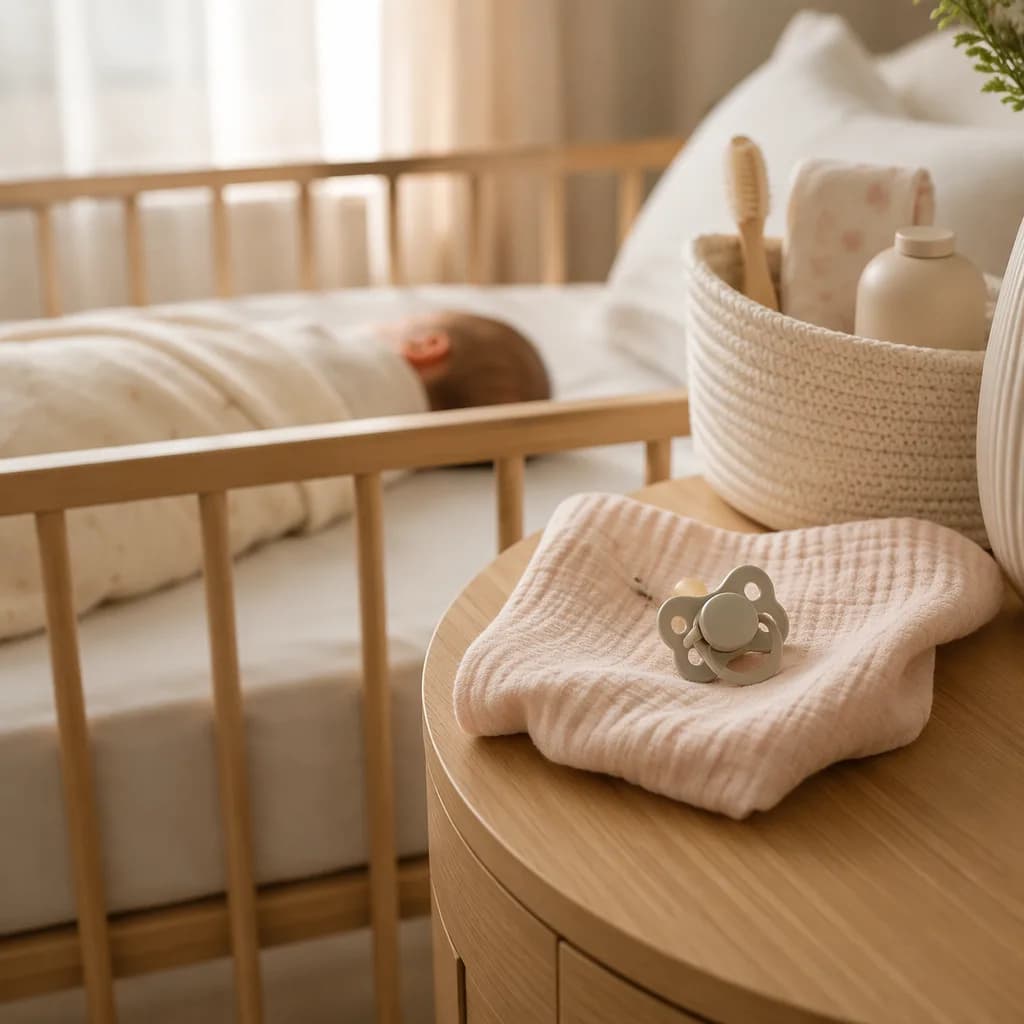
Pacifier pros and cons at a glance
Pacifiers can be genuinely helpful, especially in the baby months. They can soothe a fussy baby, help babies settle for sleep, satisfy that strong need to suck, and may lower SIDS risk when used during naps or nighttime sleep. They can also be handy during shots, teething moments, car rides, or a long wait at the pharmacy.
The tradeoff is that heavy or long-term use can create problems. A baby may wake at night and need help replacing the pacifier. Frequent use after 6-12 months may raise the chance of ear infections. Use beyond toddlerhood can affect teeth and bite development, which is why weaning by age 2 is often recommended. Pacifiers can also get in the way if they’re used instead of feeding, cuddling, or giving a baby chances to babble and practice sounds.
A simple way to think about it: age, timing, and frequency matter most.
For example, a 3-week-old who has had a full feed and still wants to suck may do well with a pacifier for comfort. A 2-year-old who uses one all day, including while playing and trying to talk, may need gentle limits.
Main pros:
- Calms crying and fussiness
- Helps some babies settle for naps and bedtime
- Useful during shots, travel, or teething
- Satisfies non-nutritive sucking
- Often easier to phase out than thumb sucking
Main cons:
- May interfere with feeding if used in place of hunger cues
- Can cause night waking if baby needs help replacing it
- Long-term use may affect teeth
- Heavier use after infancy may increase ear infection risk
If you’re packing one for outings, tuck extras into your diaper bag essentials, and clean them as carefully as you would bottles or baby clothes. If sleep is the big issue, a good monitor setup can also help you spot patterns before changing the routine. Here’s what to check in baby monitor features.
When to introduce pacifier use
When to introduce pacifier use depends on how your baby is feeding and how growth is going. A pacifier can be a helpful soothing tool, but it works best when it’s offered around feeding, not in place of feeding.
For breastfed newborns, many pediatric sources suggest waiting until breastfeeding is going well, often around 3 to 4 weeks, unless your clinician gives you different advice. That gives you and baby time to settle into latch, milk transfer, and feeding rhythms. If your baby is bottle-fed, you may be able to introduce a pacifier earlier, as long as feeds are going smoothly and your baby is gaining weight.
A baby may be ready for a pacifier when you’re seeing steady signs that feeding is on track: a good latch or comfortable bottle feeds, regular wet diapers, weight gain, and hunger cues that are becoming easier to read. If you’re still sorting out bottles, nipple flow, or feeding comfort, our guide to Best Baby Bottles by Flow, Shape, and Cleaning may help.
Pause pacifier use if your baby is missing feeds, struggling to latch, losing weight, or if you notice you’re using it to stretch the time between needed feedings. Tiny babies don’t have much wiggle room there.
A practical rhythm: offer the pacifier after a full feed, during a fussy stretch, or as part of sleep time. Keep a clean backup in your bag too, especially for errands or appointments. Our Diaper Bag Essentials for Short Trips and Full Days list is handy for that.
Pacifier for newborn sleep and soothing
A pacifier for newborn sleep can be genuinely helpful for some babies. Newborns have a strong sucking reflex, and sucking can feel calming and secure, especially during those fussy evening stretches or the first few minutes of settling in the crib.
For sleep, the gentlest approach is to offer the pacifier at naps and bedtime once feeding is established. Place baby on their back, keep the crib clear, and skip anything attached to the pacifier during sleep. No strings, clips, stuffed animals, or blankets. A plain pacifier is enough.
And if it falls out after your baby is asleep, you don’t need to put it back in.
Pacifier use during sleep has been associated with a reduced risk of SIDS. The exact reason isn’t fully known, so it helps to think of it as one possible protective sleep habit rather than a guarantee. It sits alongside the basics: back sleeping, a clear crib, and a calm bedtime routine.
One very real parent tip: keep two clean pacifiers near the crib before bedtime. Not in the crib, just nearby where you can reach them. At 2 a.m., nobody wants to be patting around the floor in the dark while a sleepy baby gets more worked up by the second. If you’re already setting up a small night station, it can sit next to burp cloths, a water bottle, and anything else you’d pack from your Diaper Bag Essentials for Short Trips and Full Days.
There is a tradeoff. Pacifiers can help babies fall asleep, but babies who can’t replace the pacifier themselves may cry when it falls out. This can be especially common around 4 to 8 months, when sleep feels a little more dramatic anyway.
If you’re bottle feeding too, nipple shape and flow can affect how soothing feeds feel, so our guide to Best Baby Bottles by Flow, Shape, and Cleaning may help. A good monitor setup can also make nights feel less stressful, especially if you’re comparing Baby Monitor Features Worth Checking Before You Buy. And since pacifiers, sheets, and pajamas all seem to rotate through the laundry nonstop, here’s a gentle guide on How to Wash Baby Clothes Without Irritating Skin.
Tiny sleep habits can feel oddly personal. Some babies love a pacifier. Some spit it across the room like they’re making a point. Either way, you’re learning your baby, one night at a time. If you need a softer bedtime read while you’re rocking, Tanmay Suresh Upadhyay: meaning & origin is a sweet little pause.
Feeding, breastfeeding, and pacifier timing
In the first weeks, the main concern with pacifiers is timing. Early or very frequent use can sometimes cover up hunger cues, shorten time at the breast, or make it harder for milk supply to build. That doesn’t mean pacifiers are “bad.” Many babies use pacifiers and breastfeed well, especially once feeding feels steady and parents can read their baby’s patterns more easily.
A helpful rule: if it might be hunger, offer a feed first.
Watch for rooting, lip smacking, hands going to the mouth, fussing that grows stronger, or waking near a usual feeding time. Those are moments to feed, not plug in the pacifier. If baby nurses or takes a bottle, relaxes, and still wants to suck afterward, a pacifier can be a gentle comfort tool.
Pacifiers tend to fit best after a full feed, during a diaper change, in the car seat when baby is safely buckled and supervised, or for brief comfort after shots. I’d tuck one into the same pocket as wipes and a backup outfit, right next to the practical stuff from our Diaper Bag Essentials for Short Trips and Full Days.
If you’re bottle feeding too, nipple flow can affect how satisfied baby seems after feeds, so our guide to the Best Baby Bottles by Flow, Shape, and Cleaning may help you compare options without overthinking it.
Call your pediatrician or a lactation consultant if baby seems too sleepy to feed well, has fewer wet diapers, or isn’t gaining weight. Those are times when extra support matters more than any pacifier plan.
Dental, speech, and ear infection concerns
Pacifiers can be a real comfort. They can also become a habit that quietly hangs around longer than we planned.
Dental concerns usually matter more with frequent pacifier use after age 2, and especially after age 3. With long-term, strong sucking, the front teeth may start to tilt, the bite may stay open when the back teeth touch, or the roof of the mouth may change shape. In plain parent terms: the mouth can begin to fit around the pacifier.
The reassuring part is that many early changes improve after a child stops using it. Still, if the pacifier is continuing into toddlerhood, it’s smart to ask a dentist what they’re seeing. You don’t need to panic. You just want a second set of trained eyes before a small issue becomes harder to correct.
Speech is another reason to set limits. A pacifier in the mouth during talking time can reduce chances to babble, copy sounds, and practice clear words. The bigger concern isn’t short use for sleep. It’s daytime use, like when a toddler is trying to point at a snack and say “cracker” around a paci. Those little moments add up.
Ear infections are worth thinking about too. Some studies link ongoing pacifier use after 6 months with a higher risk of middle ear infections, so limiting use after infancy can help. This doesn’t mean every baby who uses one will get ear infections. It means less all-day sucking may be a reasonable, low-stress step.
After the first birthday, a practical boundary is to keep the pacifier for sleep, sickness, flights, or big upsets rather than letting it live in their mouth all day. Toss one in the bag next to wipes and snacks, like the kind of planning we use for Diaper Bag Essentials for Short Trips and Full Days, but try not to offer it automatically.
Small limits are often enough. Sleep, comfort, then back to talking, playing, and making wonderfully messy toddler sounds.
How to choose and use a pacifier safely
Pacifiers are simple little things, but the details matter. If you’re buying a few, look for a one-piece pacifier when possible, with age-appropriate sizing, ventilation holes in the shield, and a shield that’s wider than your baby’s mouth.
Start small, too. Babies can be oddly picky. Instead of buying a giant multipack, try two different styles and see what your baby actually accepts. It’s a lot like choosing bottles: shape, feel, and flow can make a surprising difference, which is why we take the same practical approach in Best Baby Bottles by Flow, Shape, and Cleaning.
Pacifier safety also means keeping loose strings out of the picture. Don’t tie a pacifier around your baby’s neck, wrist, crib, or car seat. Pacifier clips are only for awake, supervised time. They should not be used for sleep, including naps.
For cleaning, sterilize pacifiers before first use, then clean them often. Follow the manufacturer’s directions, especially for newborns and younger infants. If your baby has sensitive skin or reacts easily to residue, the same “gentle and rinse well” mindset from How to Wash Baby Clothes Without Irritating Skin can help you stay consistent with baby gear, too.
Check pacifiers often. Toss and replace one if it’s sticky, cracked, torn, swollen, or discolored. Keep a clean backup in your diaper bag so you’re not stuck rinsing one in a public sink while your baby screams in the checkout line. Our Diaper Bag Essentials for Short Trips and Full Days guide can help with that kind of real-life packing.
One simple rule: never dip a pacifier in honey, sugar, juice, or medicine unless your doctor specifically tells you to. Honey is unsafe before 12 months because of botulism risk.
At bedtime, keep the sleep space simple. If you’re checking gear for nighttime, Baby Monitor Features Worth Checking Before You Buy is a helpful next read.
And if you landed here while planning baby names, yes, we have those too, including Tanmay Suresh Upadhyay: meaning & origin.
Pacifier weaning by age
Pacifier weaning can be gentle, gradual, or quick depending on age and temperament. Some babies barely notice the change. Some toddlers grieve it like you took away their favorite snack, their blanket, and the moon.
For 0 to 6 months, most parents don’t need to rush weaning unless the pacifier is affecting feeding, weight gain, or sleep. At this age, sucking can be deeply soothing, and pacifiers can help during fussy stretches, teething discomfort, appointments, or after shots. If bottle-feeding is part of your routine and you’re sorting out nipple shape or flow too, our guide to Best Baby Bottles by Flow, Shape, and Cleaning may help you compare the basics calmly.
From 6 to 12 months, try reducing daytime use first while keeping sleep use if your baby still needs it. You might start by offering the pacifier only in the crib, stroller, or car, then slowly trimming it back. This age can be a sweet spot for gentle change because babies are building new comfort habits, but they may not be as attached as an older toddler.
For 12 to 24 months, clear limits usually work better than vague ones. Choose a simple rule: crib only, car only, or sick days only. Keep the words the same each time. For example: “The paci stays in the bed. You can have a hug or your bear.” Then follow through, even if there’s some protest. Toddlers do better when the boundary doesn’t move around.
Age 2 and up is when many families choose a planned goodbye to protect teeth and give kids more open-mouth time for speech practice. You might pair it with a small ritual, like putting the pacifiers in a special bag and choosing a new bedtime stuffed animal. If bedtime is already fragile, check your setup too. Sometimes a dim room, steady routine, and a monitor that fits your needs can make the change feel less dramatic. Here’s what to look for in Baby Monitor Features Worth Checking Before You Buy.
A gradual method can look like this: no pacifier outside the house, then no pacifier outside the crib, then no pacifier at naps, then no pacifier at bedtime.
A quick method works better for some families. Pick a weekend, remove all pacifiers, add extra comfort, and expect 2 to 5 hard nights. Stock the diaper bag with distractions if you’ll be out, like snacks, a soft toy, or a teether. Our Diaper Bag Essentials for Short Trips and Full Days list can help.
One safety note: don’t cut the tip of a pacifier to make it less appealing. Damaged pacifiers can become choking hazards. If you’re replacing comfort items with soft loveys or blankets, keeping fabrics gentle matters too. See How to Wash Baby Clothes Without Irritating Skin for simple laundry tips.
Practical tips for common pacifier problems
Pacifier hiccups are normal. Some babies love one shape and reject another, just like they may prefer one bottle nipple over another. If your baby keeps spitting it out, try a different pacifier shape, offer it when they’re already calm, and don’t force it. A pacifier works best as comfort, not a battle.
If your baby wakes every time the pacifier falls out, you’ve got a very real sleep problem. Once your baby can grasp safely, practice pacifier replacement during the day: place it in their hand, guide it toward their mouth, and let them try. For older infants, you can place several safe pacifiers in the crib so one is easier to find. If the wake-ups are constant, it may be time to slowly reduce sleep dependence by offering other soothing steps first. A steady bedtime setup helps too, and a monitor with the right features can make those night checks less stressful. Here’s what to compare before buying: Baby Monitor Features Worth Checking Before You Buy.
For toddlers who talk with a pacifier in, keep the rule simple: “Pacifier comes out before words.” Then wait kindly. No lecture. No shaming. Just pause, smile, and let them try again. This gives them more chances to practice speech sounds during waking hours.
Daycare can be tricky if they use the pacifier more than you want. Send written limits, such as “nap only” or “only if upset and other comfort doesn’t work.” Pop an extra labeled pacifier in your bag if needed, along with the usual Diaper Bag Essentials for Short Trips and Full Days.
If the pacifier is the only calming tool that works, start adding backups: a short bedtime routine, rocking, a hand on the chest, a sleep sack, white noise, or a small comfort object when it’s age-safe. Clean extras matter too, especially with daily use, so the same gentle habits from How to Wash Baby Clothes Without Irritating Skin can help you think about sensitive-skin care around baby items. If feeding comfort is part of the picture, bottle shape and flow can also make a difference: Best Baby Bottles by Flow, Shape, and Cleaning.
And if you feel judged, take a breath. Pacifier use is common. The goal isn’t perfect use. It’s thoughtful use that fits your baby, your sleep, and your family. Even names carry family meaning and personal choices, like Tanmay Suresh Upadhyay: meaning & origin, and pacifier decisions can be personal too.
When to ask your pediatrician or dentist
Most pacifier questions are fixable with small changes, so try not to panic if something feels off. Still, there are a few times when it’s smart to check in.
Call your pediatrician if pacifier use seems to get in the way of feeding, steady weight gain, or regular wet diapers. If your baby keeps choosing the pacifier instead of a bottle or breast, that’s worth a conversation. You can also ask about bottle shape or flow if feeding feels hard, and our guide to Best Baby Bottles by Flow, Shape, and Cleaning may help you notice what’s working at home.
It’s also a good idea to ask about frequent ear infections, mouth sores, signs of thrush, or irritated skin around the mouth. Sometimes the fix is as simple as cleaning routines, switching sizes, or giving the skin more dry time. If drool rash is part of the issue, gentle laundry habits can help too. Here’s our parent-friendly guide on How to Wash Baby Clothes Without Irritating Skin.
Check with a dentist if your child still uses a pacifier often after age 2, if teeth look like they’re shifting, or if the bite seems open when they close their mouth.
Premature babies, babies with medical conditions, and babies on feeding therapy plans may need extra guidance before changing pacifier habits. For outings, keep clean backups handy in your Diaper Bag Essentials for Short Trips and Full Days, especially if the pacifier is part of a care plan.
Frequently Asked Questions
What are the main pacifier pros and cons?
Pacifiers can soothe babies, help with sleep, and may lower SIDS risk during sleep. Downsides include feeding issues if used too early, night waking, dental changes with long use, and possible ear infections.
When should I introduce a pacifier to a newborn?
If breastfeeding, many families wait until feeding is going well, often around 3 to 4 weeks. Bottle-fed babies may be able to start earlier if they are feeding well and gaining weight.
Can a pacifier help a newborn sleep?
Yes, some newborns settle more easily with a pacifier. Offer it for naps and bedtime once feeding is established, and follow safe sleep rules.
Do pacifiers cause dental problems?
They can if used often for a long time, especially after age 2 or 3. Early changes may improve after stopping, but a dentist can check your child’s bite.
What age is best for pacifier weaning?
Many parents start limiting daytime use after 6 to 12 months and aim to wean more fully between ages 2 and 3, depending on sleep, teeth, and the child’s needs.
Is it okay if the pacifier falls out during sleep?
Yes. If it falls out after your baby is asleep, you do not need to put it back in.
Can I use a pacifier instead of feeding?
No. If your baby is showing hunger cues, offer a feed first. A pacifier is for comfort after hunger has been ruled out.
How do I wean a toddler off a pacifier?
Start with limits, such as bed only, then remove it from naps or bedtime. Some families choose a quick weekend goodbye with extra comfort and clear words.
Frequently asked questions
When should I introduce a pacifier to my newborn?
Can a pacifier help my baby sleep?
Can pacifiers cause feeding problems?
When should I start weaning from the pacifier?
Is it okay if my toddler uses a pacifier all day?
References
Sources
External research this article was grounded in.
- YouTube Creator Awards - YouTube Helpsupport.google.com
- Pacifier Use for Babies: Benefits, Risks, and Expert Tips for Weaning — Strive Pediatricsstrivepediatrics.com
- Pacifier Use in Babies: Pros, Cons & Safe Weaning Tipsarlingtonprimepediatrics.com
Related reading
More from the journal → baby-products
Best Baby Bottles by Flow, Shape, and Cleaning
Choose baby bottles by nipple flow, shape, and cleanup, with practical tips for newborns, breastfed babies, gas, daycare, and travel.
14 min readJul 25, 2026 baby-products
Baby Monitor Features Worth Checking Before You Buy
Choosing a baby monitor? Check the features that matter most at night: clear sound, reliable video, safe setup, strong range, and privacy.
11 min readJul 23, 2026 baby-products
Diaper Bag Essentials for Short Trips and Full Days
Pack the diaper bag for the day you’re actually having, from quick errands to full days out, with simple checklists that cover messes, feeding, and comfort.
16 min readJul 21, 2026