Quick facts
Last updated June 2026
What it means
“Rachele is the Italian form of Rachel, a Hebrew name meaning "ewe." It carries a gentle, pastoral feeling and a long biblical history.”
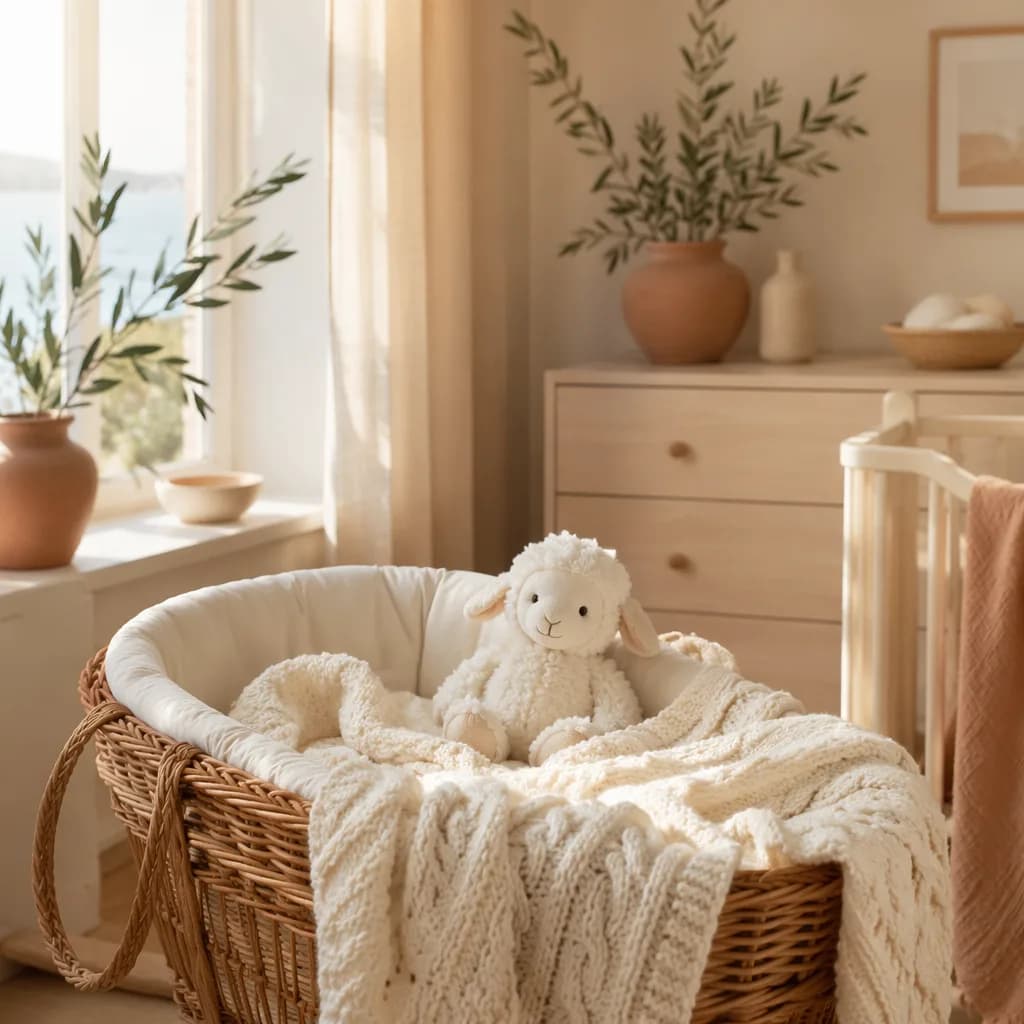
Rachele is the Italian variation of Rachel, a name with Hebrew roots and the simple, tender meaning "ewe." At first glance, that meaning may sound small or old-fashioned, but it has a lovely warmth when you sit with it. In an ancient pastoral setting, a ewe was closely tied to care, provision, gentleness, and the life of the household. It brings to mind something soft but steady, not flashy, not fragile, just quietly essential. The better-known English form, Rachel, is familiar across many languages because of its biblical use. Rachele gives that classic name a distinctly Italian shape. The final "e" changes the whole feeling of the name. Instead of ending with the crisp sound many English speakers use for Rachel, Rachele opens into three clear syllables: RA-ke-le. It feels musical in the way many Italian names do, with a bright beginning and a gentle ending. For parents who like names with history but don't want something that sounds too common in English, Rachele sits in a sweet spot. It is recognizable if someone knows Rachel, but it still feels uncommon and specific. You get the ancient meaning, the biblical connection, and the Italian rhythm all in one name. There is also a nice balance in its style. Rachele can feel traditional without sounding heavy. It can suit a child with Italian heritage, a family that loves Italian names, or parents who simply want a name that feels graceful and grounded. Names like Lucia, Chiara, and Gabriella have that same warm, vowel-rich quality, and Rachele belongs comfortably beside them. What I like most about Rachele is that it doesn't try too hard. It has a quiet confidence. It brings softness, faith history, and a beautiful spoken sound, all while staying just a little unexpected.
Why parents love it
Parents often choose Rachele because it feels familiar and fresh at the same time. If you like Rachel but want something with a little more music, Rachele gives you that. The Italian ending softens the name and turns it into three lovely syllables, RAH-keh-leh, which can sound especially beautiful with both short and long surnames. It also has real depth. The Hebrew meaning, "ewe," is gentle and pastoral, and the name's biblical roots give it a sense of age and substance. This isn't a made-up modern name that may feel dated in ten years. It has already lasted across languages and generations. Rachele is also practical. It has easy nicknames, like Rach, Rachi, Chele, and Lela, but it doesn't need one. The full name is warm enough for a child and polished enough for an adult. Picture writing it on a kindergarten cubby, then later seeing it on a graduation program. It works in both places. For a family with Italian heritage, Rachele can feel like a quiet nod to language, culture, and ancestry. For everyone else, it's simply a graceful choice with history, softness, and a sound that stands apart without feeling strange.
Heritage
Rachele's cultural weight comes mostly through Rachel, its Hebrew root name and biblical source. Rachel is a major figure in the Hebrew Bible, and because of that, forms of the name have traveled widely through Jewish, Christian, and broader European naming traditions. Rachele is the Italian form, so it keeps that deep religious history while sounding completely at home in Italian. In Italian, Rachele has three open syllables and a soft final vowel, which gives it a gentler feel than the English pronunciation of Rachel. If your family has Italian roots, it can be a lovely way to honor that heritage without choosing a name that feels unfamiliar or difficult. A grandmother might recognize it right away, while a preschool teacher in an English-speaking country may simply need one kind correction on the pronunciation. The name has also been used by real Italian public figures, including swimmer Rachele Bruni, cyclist Rachele Barbieri, Miss Italia 2016 Rachele Risaliti, and volleyball player Rachele Sangiuliano. Those examples show that the name is not only historical or biblical. It is still used in modern Italy. One cultural note parents sometimes notice is that Rachele Mussolini, wife of Benito Mussolini, is a known bearer of the name. That association exists, but it does not define the name. Rachele is much older and broader than any one person. For most families, the biblical root, Italian language connection, and gentle meaning will be the more natural associations.
Not enough popularity data to chart yet.
The meaning "ewe" gives Rachele a soft, caring image that feels calm rather than showy.
Its Hebrew roots and long use through Rachel give the name a steady sense of history.
The Italian three-syllable sound makes Rachele feel fluid, warm, and elegant when spoken aloud.
Rachele is familiar through Rachel but uncommon enough to feel thoughtful and distinctive.
Original
Rachele
Sofia adds a soft, familiar finish while keeping the full name graceful and Italian in feel.
Bianca has a clean, bright sound that balances Rachele's warmer rhythm.
Maria gives the name a classic, traditional pairing that feels especially natural with Italian names.
Noemi brings another gentle biblical note without making the name feel too heavy.
Vittoria adds strength and length, making the full name feel formal and elegant.
Elise is light and simple, a good choice if the surname is long or very Italian.
Pair two names and see how they sound, flow, and feel together.
Generate a soothing personalised bedtime story starring your child.
Reveal the life-path and destiny numbers hidden in a baby name.
Playful, name-based personality sketch to share with friends.
No stories for Rachele yet. Be the first!