
Introducing Allergens to Baby Safely and Calmly

When to start introducing allergens to baby
Many babies can start common allergen foods around 6 months, once they’re showing signs they’re ready for solids. Some guidance mentions a 4-6 month window, but for many families, 6 months is the point when feeding feels more practical and babies are developmentally ready.
Look for the real-life signs, not just the date on the calendar. Your baby may be ready if they can sit with support, hold their head and neck steady, bring food toward their mouth, swallow food instead of pushing it all back out with their tongue, and show interest when you’re eating. If you’re still unsure, this guide on baby weaning signs can help you sort out what’s readiness and what’s just curiosity.
For most families, allergen foods don’t need to be the very first bite. Start with a few simple foods first, like oatmeal, mashed avocado, or sweet potato. Once your baby has handled a few gentle foods, you can begin adding common allergens in safe forms. Think thinned smooth peanut butter stirred into oatmeal, or well-cooked mashed egg. Our baby feeding schedule can help you picture how this fits into ordinary days.
Delaying allergen foods without a medical reason may not help prevent allergies. Current guidance supports introducing common allergens around the time babies start solids, then keeping them in the diet regularly.
One clear caution: if your baby has severe eczema or a known egg allergy, ask your pediatrician before introducing peanut. Higher-risk babies may benefit from early introduction, but it should be done with medical guidance. For a broader step-by-step plan, see our calm parent guide to introducing allergens.
The main baby food allergens to know
The common allergens parents hear about most are peanut, egg, milk, wheat, soy, sesame, tree nuts, fish, and shellfish. These are the big ones many families plan for when baby is starting solids.
If you’re still figuring out timing, readiness cues matter first. A baby who can sit with support, has good head and neck control, and is swallowing food instead of pushing it back out is usually closer to being ready. We walk through those signs in Baby Weaning Signs: Is Your Baby Ready for Food?, and a simple first-food rhythm can help too: Baby Feeding Schedule: A Simple Start for Tired Parents.
Milk can feel confusing. Whole cow’s milk isn’t recommended as a drink before age 1, but cow’s milk foods like yogurt and cheese can often be offered as foods if baby tolerates them.
Also, choking risk and allergy risk are two different things. Whole nuts are unsafe for babies because they’re a choking hazard. Smooth nut butter can be made safer by thinning it with water, breast milk, formula, or puree until it’s runny.
A thin smear of thinned peanut butter on a spoon is very different from a glob of peanut butter. The glob is sticky and unsafe.
Try introducing one new allergen at a time, with a little space between new foods, so reactions are easier to spot. For a fuller step-by-step plan, see Introducing Allergens to Baby: A Calm Parent Guide.
Safe textures for peanut butter, egg, and other allergens
Texture matters just as much as the food itself. Babies need foods that are soft, moist, and easy to swallow, especially with allergens that can be sticky, firm, or easy to bite into the wrong way. If you’re still checking readiness cues, our guide to baby weaning signs can help you decide whether your baby seems ready to start.
For peanut butter, think thin and runny. Mix a small amount of smooth peanut butter with warm water, breast milk, formula, oatmeal, or yogurt until it loosens completely. It should slide off the spoon, not sit there in a sticky lump. Peanut powder mixed into cereal can work too.
Skip whole peanuts, chopped nuts, thick spoonfuls of nut butter, and sticky clumps. Those textures are not safe for babies.
Egg can be simple too. Offer well-cooked scrambled egg cut into soft strips, mashed hard-boiled egg stirred into yogurt, or egg baked into soft pancakes that are tender enough to squish between your fingers. Avoid runny or undercooked egg for babies because of food safety concerns.
A few other allergen textures that tend to work well:
- Plain yogurt on a preloaded spoon
- Soft tofu strips that baby can hold
- Wheat toast fingers softened with a thin spread
- Flaked cooked fish with all bones carefully removed
- Sesame mixed into hummus or yogurt instead of offered as whole seeds
If you’re building this into a daily rhythm, a simple baby feeding schedule can make it feel less random. You can also keep the bigger picture close with our calm parent guide to introducing allergens.
One last practical thing: keep baby seated upright and supervised the whole time they’re eating. Sit close. Watch their face, hands, and pace. Some meals will be calm and tidy, others will look like yogurt met a tiny tornado named Aurora or Tanmay Suresh Upadhyay. Both count.
A simple first-week plan for allergen foods
Think of this as a calm rhythm, not a strict rulebook. Once baby is showing signs of readiness for solids, like good head and neck control, sitting with support, and swallowing instead of pushing food back out, you can start building allergen foods into ordinary meals. If you’re still sorting out timing, our Baby Feeding Schedule: A Simple Start for Tired Parents can help you find a gentle daily pattern.
Choose a morning or early afternoon feed for the first try. Pick a time when an adult can keep an eye on baby for about 2 hours afterward, without rushing off to pickup, errands, or bedtime. Home is ideal.
Start tiny. For peanut, that might be smooth peanut butter thinned with breast milk, formula, water, or puree until it’s runny, then offer just the tip of a spoon. If all looks well, you can offer a little more. Whole peanuts and thick nut butter aren’t safe for babies, so texture matters.
Here’s a simple sample plan:
- Monday: peanut, prepared safely
- Thursday: well-cooked egg, mashed or finely chopped
- Next week: yogurt
- Later: wheat or soy, once baby has had a little space between new foods
Spacing new allergens by a couple of days makes it easier to connect any symptoms to a specific food. It also gives you breathing room, which matters.
Skip a new allergen if baby is sick, unusually fussy, teething hard, or just had vaccines and you’d rather have a clearer read on symptoms. You’re not falling behind. You’re just choosing an easier day.
And those funny faces? Normal. Mild mess is normal too. Gagging with a new texture can happen and doesn’t always mean baby dislikes the food. For a bigger picture view, see Introducing Allergens to Baby: A Calm Parent Guide, and if you’re checking readiness first, Baby Weaning Signs: Is Your Baby Ready for Food? is a helpful place to start.
How often to keep allergens in the routine
Once your baby has tried an allergen and tolerated it, try not to let it disappear from the menu. Regular exposure after a successful introduction is commonly recommended, usually a few times a week, because it helps keep that food familiar in your baby’s routine.
This does not need to be a big production.
You might stir a small spoonful of thinned peanut butter into oatmeal twice a week, offer soft scrambled egg strips at breakfast, serve plain yogurt with mashed banana, or spread a thin layer of hummus on soft toast. If you’re still working out meal timing, our Baby Feeding Schedule: A Simple Start for Tired Parents can help you place these foods into ordinary days without overthinking every bite.
Small portions count. A baby doesn’t need a large serving for a food to stay familiar, especially in the early months of solids. Follow your baby’s appetite and comfort.
It can help to rotate allergens through meals you already make. Yogurt at snack. Egg at breakfast. Wheat in soft toast. Sesame in hummus. Peanut mixed into cereal. This feels much more doable than treating allergen foods like a separate medical task. For a fuller step-by-step start, you can also keep Introducing Allergens to Baby: A Calm Parent Guide nearby.
A little prep goes a long way. Freeze small portions of cooked egg muffins, keep single-ingredient yogurt in the fridge, or portion nut powder into tiny containers. And if you’re not sure baby is ready yet, check the basics in Baby Weaning Signs: Is Your Baby Ready for Food?. Then, once lunch is cleaned up, you can go back to sweeter things, like comparing name meanings for Aurora or Tanmay Suresh Upadhyay.
Signs of an allergic reaction in babies
Most babies do well with new foods, but it helps to know what you’re watching for before the spoon ever reaches their mouth. If you’re still getting started, our Introducing Allergens to Baby: A Calm Parent Guide can help you set up a slower, steadier plan.
Mild possible signs of a food reaction can include hives, redness around the mouth, mild swelling, vomiting, diarrhea, or a sudden stuffy nose after eating. These symptoms may show up soon after the meal, so try first tastes at home when you can keep an eye on your baby for a bit.
Some symptoms need urgent help. Call emergency services right away if your baby has trouble breathing, significant swelling, especially of the lips or tongue, or symptoms involving more than one body system. For example, hives plus vomiting, or swelling plus sudden sleepiness. Other urgent signs include repetitive vomiting, widespread hives, a pale or floppy appearance, or sudden sleepiness that seems unusual for your baby.
A quick note, because this one worries so many parents: redness around the mouth isn’t always a true allergy. Messy foods or acidic foods can irritate the skin where they touch, especially if your baby is drooly or has sensitive cheeks. Still, watch closely. If the redness spreads, comes with swelling, vomiting, breathing changes, or your gut says something is off, treat it seriously.
If you notice a possible reaction, take a photo of any rash before it fades. Write down the food, how much your baby ate, what time they ate it, and what symptoms you saw. This makes the follow-up conversation much clearer.
Before offering that food again, contact your pediatrician. And if your baby has a known allergy, ask their clinician for a specific plan for antihistamines or epinephrine, rather than guessing in the moment.
For babies just beginning solids, readiness matters too. You may want to pair this with Baby Weaning Signs: Is Your Baby Ready for Food? and a simple Baby Feeding Schedule so new foods feel less chaotic.
Which babies need medical advice before peanut or egg
Most babies can start common allergens once they’re developmentally ready for solids, usually around 4-6 months. Still, some babies deserve a quick pediatrician check before peanut or egg shows up on the spoon.
Call first if your baby has severe eczema, an existing food allergy, or has reacted before to any allergen. If an older sibling has serious allergies and you’re feeling worried, it’s also reasonable to ask for a plan. You don’t need to sit with that anxiety alone.
Severe eczema can look like frequent flares, broken or weepy skin, eczema that needs prescription creams, or patches that are hard to control even when you’re doing the usual care. Babies with severe eczema or an egg allergy may need testing or a supervised peanut introduction, depending on what the pediatrician recommends.
Mild eczema is different. A few dry patches or a rash that settles with basic care doesn’t automatically mean your baby must avoid allergens. You can still bring it up at the next visit, especially if you’re already talking through first foods with a baby feeding schedule or checking baby weaning signs.
A simple question works well: “Is my baby okay to try peanut at home, and what amount should I start with?”
One more thing: don’t rub peanut, egg, or other allergens on your baby’s skin to “test” them. Eating is the usual introduction route, and skin contact can irritate sensitive skin. For the bigger picture, this calm allergen guide can help you plan the next steps. And if you need a tiny brain break afterward, name meanings like Aurora or Tanmay Suresh Upadhyay are a softer tab to have open.
Common mistakes parents can skip
A few small choices can make allergen introduction feel much calmer. If you’re still checking readiness, start with baby weaning signs before offering those first tastes.
- Waiting many extra months without a medical reason. Current guidance supports introducing common allergens around 4 to 6 months, once baby is developmentally ready for solids. If your baby has severe eczema or an existing food allergy, talk with your doctor first.
- Giving thick peanut butter straight from the spoon. It’s sticky and unsafe for babies. Thin smooth peanut butter with water, breast milk, formula, or puree until it’s runny.
- Offering risky textures. Skip whole nuts, thick nut butter, big chunks of cooked egg, and fish with tiny bones still inside. Well-cooked egg can be mashed or finely chopped.
- Trying several new allergens in one meal. If a reaction happens, you won’t know what caused it. Offer one new allergen at a time, then watch closely.
- Starting right before bedtime or before leaving the house. Pick a calm time at home, earlier in the day, when you can pay attention.
- Stopping a tolerated allergen for months. Regular exposure matters. Once baby tolerates a food, keep it in the routine 2 to 3 times weekly. A simple rhythm, like the one in our baby feeding schedule, can help.
- Assuming every red face is an allergy. Drool, rubbing, and messy puree can irritate skin. Still, don’t ignore clear symptoms just because the bite was tiny. Allergic babies can react to small amounts.
For a fuller plan, keep Introducing Allergens to Baby: A Calm Parent Guide nearby.
Frequently Asked Questions
What age should I start introducing allergens to baby?
Many babies can start common allergens around 6 months, once they show signs of readiness for solids. Ask the pediatrician first if your baby has severe eczema or a known food allergy.
How do I give peanut butter to a baby safely?
Use smooth peanut butter thinned with warm water, breast milk, formula, oatmeal, or yogurt until it is runny. Never offer thick spoonfuls, whole peanuts, or chopped nuts.
Can babies eat egg?
Yes, many babies can have well-cooked egg once they are ready for solids. Try soft scrambled egg strips or mashed hard-boiled egg mixed with yogurt or avocado.
Should I introduce one allergen at a time?
Yes. Offer one new allergen at a time and wait a couple of days before trying another, especially at the beginning. It makes reactions easier to identify.
What allergic reaction signs should I watch for?
Watch for hives, swelling, vomiting, diarrhea, coughing, wheezing, trouble breathing, or sudden unusual sleepiness. Call emergency services for breathing trouble, major swelling, or symptoms in more than one body system.
Do I need to keep serving an allergen after baby tolerates it?
Usually, yes. Once your baby tolerates a food like peanut, egg, yogurt, or wheat, keep it in the meal routine regularly in safe textures and small portions.
Frequently asked questions
When should I start introducing allergens to my baby?
Which allergen should I introduce first?
How do I safely give peanut butter to a baby?
Should I introduce one allergen at a time?
What if my baby has severe eczema or an egg allergy?
References
Sources
External research this article was grounded in.
- 电影下载网站免费电影网站免费下载_百度知道zhidao.baidu.com
- Early Allergen Introduction for Babies: A Guide to Preventing Food Allergiesallergyasthmanetwork.org
- How to Introduce Allergens to Your Baby: A Pediatric Dietitian's Guide (2026) | The Quality Editthequalityedit.com
Related reading
More from the journal →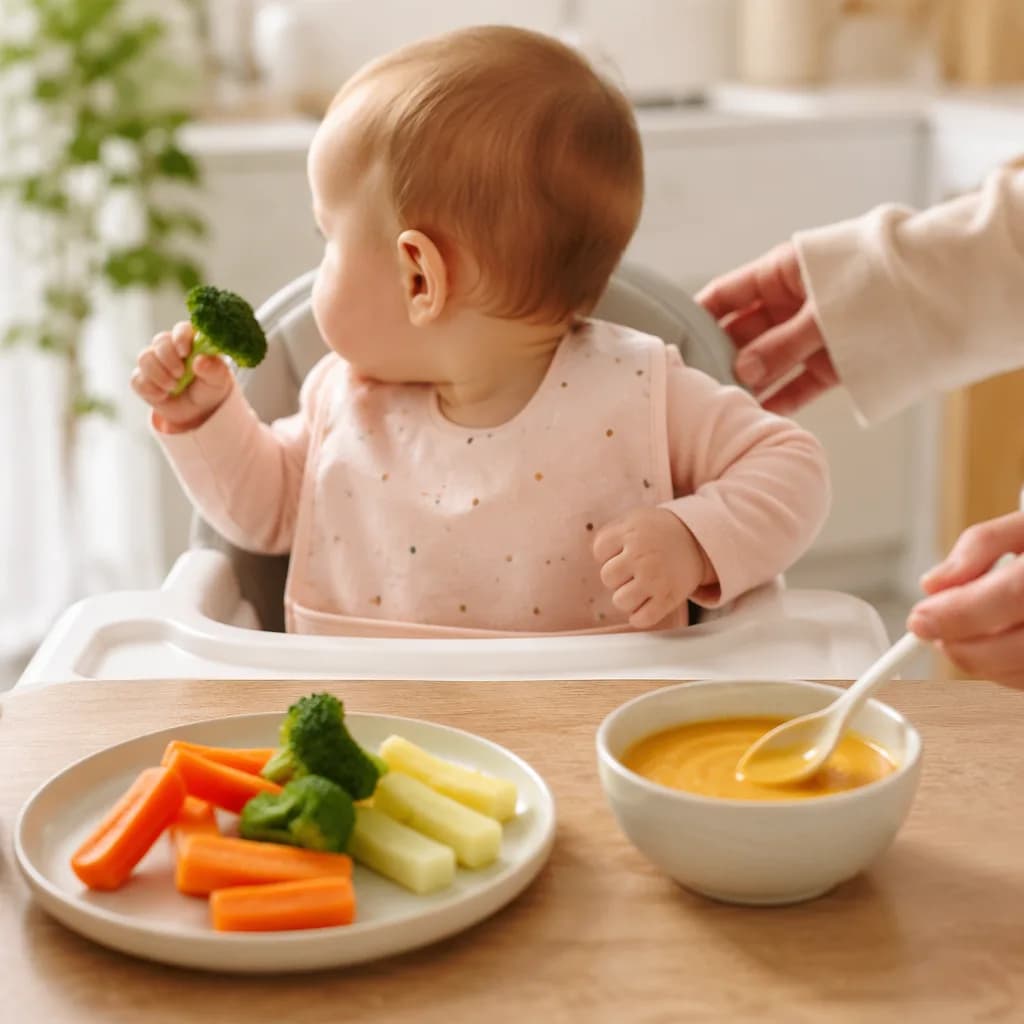 baby-food
Baby Led Weaning vs Purees: Which Fits Your Baby?
Baby led weaning and purees can both work. Here’s how to compare safety, mess, feeding skills, iron needs, and your real family schedule.
14 min readJul 18, 2026 baby-food
Baby Food Storage: Fridge, Freezer, and Travel Tips
Simple baby food storage rules for the fridge, freezer, and diaper bag, including how long purees last and when to toss leftovers.
14 min readJul 4, 2026- baby-food
Baby-Led Weaning Basics: Safe First Foods
A calm starter guide to baby-led weaning, with readiness signs, safe first foods, choking basics, and simple ways to begin.
13 min readJul 3, 2026