
Iron-Rich Foods for Babies: First Foods That Work

Why babies need iron around 6 months
Babies are born with iron stored from their time in the womb. Around 6 months, those stores naturally start to run lower, which is one big reason iron-rich foods often show up early in baby feeding advice.
Iron does a lot of quiet, important work. It helps support brain development, immune function, and the energy babies need for learning, moving, and engaging with the world. It also helps the body make healthy red blood cells, which carry oxygen through the body. That’s the plain version: iron helps babies grow, think, play, and keep going.
Breast milk contains some iron, but it’s low in iron. Many formulas contain iron and can help meet a baby’s needs during the move into solids. Still, as babies get older, solid foods begin to matter more. At first, your baby may mostly lick, suck, smear, and spit food back out. That still counts as practice. A baby who mouths a strip of tender beef, tastes lentil puree, or sucks oatmeal off a spoon is learning both the flavor and the skill.
Once baby is showing readiness for solids, iron-rich foods are usually recommended early, often right alongside other first foods. If you’re still sorting out timing, this baby feeding schedule can help, and these baby weaning signs are useful before you begin. Some iron-rich choices, like peanut butter thinned into oatmeal, may overlap with allergen planning too, so keep this calm guide to introducing allergens to baby nearby.
If your baby was premature, had a low birth weight, or has a known anemia risk, ask your pediatrician about iron needs early. This is exactly the kind of question they expect from parents.
Best iron-rich foods for babies
Iron-rich foods fall into two helpful groups: heme iron and non-heme iron. Heme iron comes from meat, poultry, and seafood, and the body absorbs it more easily. Non-heme iron comes mostly from plant foods, plus fortified foods like infant cereal. Both matter, especially once baby is ready for solids and those early iron stores from the womb have started to decrease.
A simple first step is to offer iron-rich foods often, even if baby mostly licks, sucks, squishes, and drops them at first. That still counts as learning. If you’re just getting started, it can help to pair this list with a gentle baby feeding schedule so meals feel less random during a tired week.
Good heme iron options for babies include:
- Soft shredded beef
- Dark chicken or turkey meat
- Lamb
- Pork
- Liver in small amounts, if your doctor has approved it
- Sardines
- Salmon
- Eggs
For spoon feeding, you might stir very finely shredded beef into mashed sweet potato or blend dark turkey meat into a soft bean dip. For baby-led weaning, try a soft beef meatball strip that squishes easily between your fingers, or tender flakes of salmon with bones removed. Sardines can be mashed onto toast fingers or mixed into a soft spread.
Non-heme iron foods are useful too, especially when they show up regularly:
- Lentils
- Beans
- Chickpeas
- Tofu
- Edamame
- Iron-fortified infant cereal
- Oatmeal
- Quinoa
- Spinach
- Peas
- Nut or seed butters, thinned safely
A lentil mash is a lovely early spoon-fed meal. Oatmeal made with iron-fortified infant cereal stirred in can be another easy one. For finger foods, offer soft tofu strips, smashed beans on a preloaded spoon, or quinoa mixed into a moist patty. Nut and seed butters should be thinned with water, yogurt, or breast milk until smooth and runny, never offered in thick globs. If you’re introducing peanut, egg, fish, or other common allergens, this calm guide to introducing allergens to baby may help you plan.
Safety matters more than the exact recipe. Foods should be soft, appropriately sized, and prepared for your baby’s current skill level. If you’re unsure whether baby is ready for this stage, check the main baby weaning signs first.
And if you’re reading this during a 2 a.m. feeding while also browsing baby names like Aurora or Tanmay Suresh Upadhyay, you’re in good company. Feeding gets easier with practice, one tiny taste at a time.
Easy first iron-rich baby food ideas
Once baby is showing ready-for-food signs, iron-rich foods can start showing up in very simple ways. No special baby cookbook required.
A few easy starters:
- Iron-fortified oatmeal mixed with breast milk, formula, or fruit puree
- Mashed beans with avocado and a little water to loosen the texture
- Smooth lentil puree with a small squeeze of lemon
- Hummus thinned with water until it’s soft and scoopable
- Tofu strips rolled in crushed iron-fortified cereal so they’re easier to grip
- Very soft shredded pot roast blended with sweet potato
- Smooth chicken and carrot puree
For a meat-based meal, think soft and moist. A spoonful of pot roast that falls apart easily can be blended with roasted sweet potato and a splash of water or broth. Chicken can be cooked until tender, then pureed with carrot until smooth. These are the kinds of meals that feel like real food, just adjusted for baby’s skills.
Vegetarian options can be just as practical. Lentils, beans, tofu, hummus, nut and seed butters, and fortified grains can all help. Pairing plant-based iron foods with vitamin C foods can help the body absorb more iron, so lentils with lemon, beans with tomato, or tofu with broccoli are easy little combinations to keep in mind.
Here’s one concrete example that works well on a tired week: batch-cook red lentils, mash them with roasted sweet potato, freeze the mixture in small silicone tray portions, then warm one cube for lunch. Add water, breast milk, or formula to thin it if needed.
Texture can move slowly. Start with smooth purees if that feels right, then try mashed foods, soft lumps, and eventually finger foods as baby gains chewing and swallowing skills. A simple baby feeding schedule can help you offer iron-rich foods regularly without turning every meal into a project.
If you’re using foods like peanut butter, tahini, or egg alongside iron-rich meals, it can help to read up on introducing allergens to baby so you feel steady and prepared. And if lunch prep happens while you’re also scrolling name ideas like Aurora or Tanmay Suresh Upadhyay, well, that’s very much real parent life.
Baby-led weaning iron foods that are safe to hold
Baby-led weaning iron is simpler than it sounds: offer soft, graspable foods that bring iron to the meal, without needing to spoon-feed every bite. Around the time baby is ready for solids, iron-rich foods can start helping meet iron needs, even if baby mostly licks, sucks, squishes, and drops food at first.
That practice still counts.
Before you start, check readiness cues like sitting with support and showing interest in food. If you’re unsure, this guide to baby weaning signs can help you feel more grounded. A loose rhythm helps too, especially on tired days, so you may like this gentle baby feeding schedule.
For baby-led weaning, the best iron foods are soft enough to mash with gums and shaped so baby can hold them. Try:
- Tender meat strips, cooked until very soft and moist
- Soft meatballs, gently flattened if needed
- Salmon flakes pressed into a patty
- Tofu sticks
- Omelet strips
- Bean patties
- Lentil fritters
- Toast fingers spread thinly with hummus
Do the squish test. Press the food between your fingers. If it squishes easily, or feels soft enough for gums to mash, it’s usually a better fit for early eating. If it’s tough, dry, rubbery, or breaks into hard chunks, set it aside and try again another way.
Shape matters. For younger babies, finger-length strips are often easier to grab because they can hold one end while chewing or sucking on the other. Once baby develops a pincer grasp, those smaller thumb-and-finger movements, you can move toward smaller bite-size pieces.
A few foods need extra care. Avoid hard chunks, round pieces, dry crumbly meat, and sticky globs of nut or seed butter. Nut and seed butters can be useful iron-containing foods, but spread them very thinly on toast or stir them into porridge, batter, or sauce so they’re not thick and sticky. If you’re also working through common allergen foods, this calm guide to introducing allergens to baby may help you plan without feeling rushed.
Some meals will look like a real dinner. Others will look like a tofu stick in the hair and hummus on the tray. Both are normal. Keep offering iron-rich foods regularly, keep textures soft, and let baby build the skill one messy meal at a time.
How to help baby absorb more iron
Here’s the simple trick: pair plant-based iron with vitamin C.
Plant foods and fortified cereals contain non-heme iron, which the body doesn’t absorb as easily as heme iron from meat, poultry, and seafood. Vitamin C helps babies absorb more of that non-heme iron, so an iron-rich food plus a fruit or vegetable can be a really useful rhythm at meals.
You don’t need to calculate every bite. Truly. If you’re already figuring out naps, bottles or nursing, and whether baby is actually ready for solids, keep it simple. Our Baby Feeding Schedule: A Simple Start for Tired Parents can help make the day feel less scattered.
Easy pairings to try:
- Lentils with tomato
- Beans with mashed strawberries
- Iron-fortified oatmeal with kiwi
- Tofu with broccoli
- Hummus with soft bell pepper strips
For example, you might spread hummus thinly on a soft strip of toast and serve it with steamed bell pepper strips on the side. Baby may lick, squish, or take one tiny bite. That still counts as practice.
Calcium can compete with iron absorption, so large dairy servings don’t need to sit beside every iron-focused meal. That doesn’t mean dairy is “bad.” It just means we can give iron-rich foods a little room sometimes. Also, babies under 12 months shouldn’t drink cow’s milk as a main beverage unless your clinician gives different guidance.
If you’re just starting solids, check for readiness cues first with Baby Weaning Signs: Is Your Baby Ready for Food?. And if foods like tofu or hummus bring up allergy questions, Introducing Allergens to Baby: A Calm Parent Guide is a helpful next read.
Sample iron-rich meals for babies by age
Age ranges can be helpful, but readiness matters more than the calendar. Before starting solids, look for signs like sitting with support, good head control, and interest in food. If you’re still unsure, this guide to baby weaning signs can help you sort out what you’re seeing at the table.
Around 6 months
At this stage, many babies are still learning what food even is. Licking, sucking, and tiny tastes count.
Try iron-rich options that are soft and easy to manage:
- Iron-fortified infant cereal mixed with breast milk, formula, or water, topped with mashed berries
- Smooth lentil puree, thinned as needed so it slides easily off a spoon
- Meat puree with squash, especially if your baby likes a mellow, slightly sweet flavor
A real-life plate might be two spoonfuls of lentil puree, a smear of mashed berry on the tray, and plenty of patience. Some babies eat. Some paint the high chair.
7 to 8 months
As chewing skills grow, you can offer thicker textures and soft finger foods. Keep foods soft enough to mash between your fingers.
Good meals for this window:
- Mashed black beans with avocado
- Soft tofu sticks with steamed broccoli
- Shredded chicken stirred into mashed potato
Tofu and peanut can be part of family meals, but if you’re working through common allergens, this calm guide to introducing allergens to baby may be useful.
9 to 10 months
By now, many babies are practicing with small pieces, strips, and foods they can pick up. Offer iron-rich foods often, even if intake still varies day to day.
Try:
- Mini beef meatballs, soft and moist
- Salmon patties that flake easily
- Lentil pasta with tomato sauce
- Scrambled egg strips with soft fruit on the side
Tomato sauce is a nice pairing with lentil pasta because vitamin C-rich foods can help the body absorb more iron from plant foods.
11 to 12 months
Near the first birthday, babies may be eating more mixed meals with the family. A simple baby feeding schedule can help if meals feel scattered.
Easy ideas include:
- Deconstructed chili with beans, soft meat, and tomato
- Soft turkey burger pieces
- Quinoa and bean bowls
- Oatmeal with peanut butter thinned well and strawberries
And if you’re meal planning while also making baby-name lists, you’re in good company. Some parents have oatmeal on the stove and tabs open for names like Aurora or Tanmay Suresh Upadhyay. That counts as multitasking.
How much iron does a baby need?
Babies 7 to 12 months often need about 11 mg of iron per day. Younger babies can have different needs depending on feeding, birth history, and health, so this is a good question to bring to your pediatrician, especially if your baby was born early or has had feeding concerns.
The good news: you don’t need to make every spoonful “count” in a stressful way. Babies are learning. Some days they’ll suck the juices from a strip of beef and spit the rest out. Some days they’ll eat three bites of lentils and then be done. Iron intake can balance out over several days, so the goal is steady exposure, not perfect math at breakfast.
Once solids are established, try offering an iron-rich baby food once or twice a day. That might look like oatmeal in the morning, mashed beans at lunch, or soft shredded dark-meat chicken at dinner. If you’re still figuring out timing, our Baby Feeding Schedule: A Simple Start for Tired Parents can help you build a rhythm that doesn’t take over the whole day.
Iron-fortified infant cereal can be useful too, because even a small serving can contain a meaningful amount of iron. You can stir it into mashed fruit, yogurt, or a savory puree. Pairing plant-based iron foods with vitamin C foods can also help the body absorb more iron, such as lentils with bell pepper or oatmeal with blueberries.
Before using iron drops or supplements, check with your pediatrician. Supplements can be safe and effective when needed, but too much iron can be harmful, so it’s not something to guess on. And if you’re still watching for readiness cues, start with Baby Weaning Signs: Is Your Baby Ready for Food?.
Signs baby may not be getting enough iron
Low iron can be sneaky. Some babies look completely fine, especially early on, which is one reason routine screening matters.
Possible signs of low iron or iron-deficiency anemia can include unusual tiredness, pale skin, poor sleep, irritability, feeding challenges, decreased appetite, and trouble engaging in activities. Some parents notice their baby seems less interested in play or gets worn out quickly during meals. Slow weight gain or delayed development can also raise concern, though these signs can have many causes and don’t automatically mean anemia.
Around 12 months, babies commonly receive routine screening for anemia. If your pediatrician doesn’t bring it up, it’s okay to ask. Earlier testing may be recommended for babies with higher-risk factors, such as prematurity, low birth weight, heavy cow’s milk intake after 12 months, limited iron-rich solids, or maternal iron deficiency during pregnancy.
This is also why offering iron-rich foods once baby is ready for solids can help. If you’re still figuring out timing, our guide to baby weaning signs can help you decide what “ready” looks like. For everyday meal rhythm, a simple baby feeding schedule can make it easier to keep iron foods in regular rotation. And if nuts, eggs, or other common allergens are part of your iron plan, here’s a calm guide to introducing allergens to baby.
If you’re worried, call your pediatrician. Don’t try to diagnose anemia at home based on symptoms alone. A quick conversation and, when needed, a simple blood test can give you clearer answers.
Common mistakes with baby iron foods
It’s easy to serve the foods baby accepts fastest: fruit, soft vegetables, and puffs. They’re simple, tidy, and familiar. But they can fill baby’s belly without offering much iron, especially around the time solids begin and baby’s stored iron from pregnancy has naturally decreased. If you’re just getting started, our Baby Feeding Schedule: A Simple Start for Tired Parents can help you make room for iron-rich foods without making meals feel like a project.
Another common snag is meat texture. Meat can be a helpful source of heme iron, which the body absorbs more easily than plant-based nonheme iron, but dry chicken or tough beef can be hard for a baby to manage. Think moist and tender: shredded dark meat chicken mixed with a little yogurt, soft meatballs, or a sauce made with beef or lamb.
For plant-based meals, don’t forget vitamin C pairings. Beans with tomato, lentils with bell pepper, tofu with broccoli, or oatmeal with blueberries can help the body absorb more iron from those foods. This matters even more for vegetarian babies, who are relying on nonheme iron most of the time. If you’re also introducing nut or seed butters, our calm guide to introducing allergens to baby may be useful.
Milk timing can trip parents up too. Cow’s milk as a drink before 12 months isn’t part of the usual first-foods plan, and after the first birthday, too much milk can crowd out iron-rich meals.
And one rejected food? That’s not a verdict. A baby may stare at lentils on the tray ten times before licking them once. Keep it low-pressure. Readiness matters too, so if meals feel frustrating, check the baby weaning signs and reset gently.
Frequently Asked Questions
What foods are highest in iron for babies?
Tender beef, lamb, dark poultry, sardines, lentils, beans, tofu, eggs, and iron-fortified infant cereal are some of the best choices.
Can babies get enough iron without eating meat?
Yes, many can with lentils, beans, tofu, eggs if eaten, fortified cereals, nut or seed butters, and vitamin C foods. Ask your pediatrician if you're unsure.
Is iron-fortified cereal necessary for babies?
It's not the only option, but it can be a helpful, easy source of iron, especially early on when babies eat tiny amounts.
What fruit helps baby absorb iron?
Strawberries, kiwi, oranges, mango, and cooked tomato can help because they contain vitamin C, which improves absorption from plant-based iron foods.
How often should I offer iron-rich foods to my baby?
Once solids are going well, offering iron-rich foods once or twice a day is a practical goal for many babies.
Are eggs an iron-rich food for babies?
Eggs contain some iron, mostly in the yolk. They’re useful, but meat, lentils, beans, tofu, and fortified cereal usually provide more.
What are good baby-led weaning iron foods?
Soft meatballs, tender beef strips, tofu sticks, omelet strips, bean patties, lentil fritters, and toast with thin hummus are good options.
Should I give my baby iron drops?
Only give iron drops if your pediatrician recommends them. Babies have different needs, and too much iron can be unsafe.
Frequently asked questions
Why do babies need iron-rich foods around 6 months?
What are good first iron-rich foods for babies?
How can I help my baby absorb more iron from plant foods?
Does breast milk have enough iron for an older baby?
Should I ask the pediatrician about iron supplements?
References
Sources
External research this article was grounded in.
- Iron - Wikipediaen.m.wikipedia.org
- Best Iron-Rich Foods for Babies List - Solid Startssolidstarts.com
- Iron: Overview, Uses, Side Effects, Precautions, Interactions, Dosing and Reviewswebmd.com
- Iron-rich foods - Healthy Eating for Babies Age 6-12 Monthsgov.nl.ca
- Rock-A-Bye Baby +More Nursery Rhymes - CoCoMelon - Videos For Kidskidvideo.org
Related reading
More from the journal →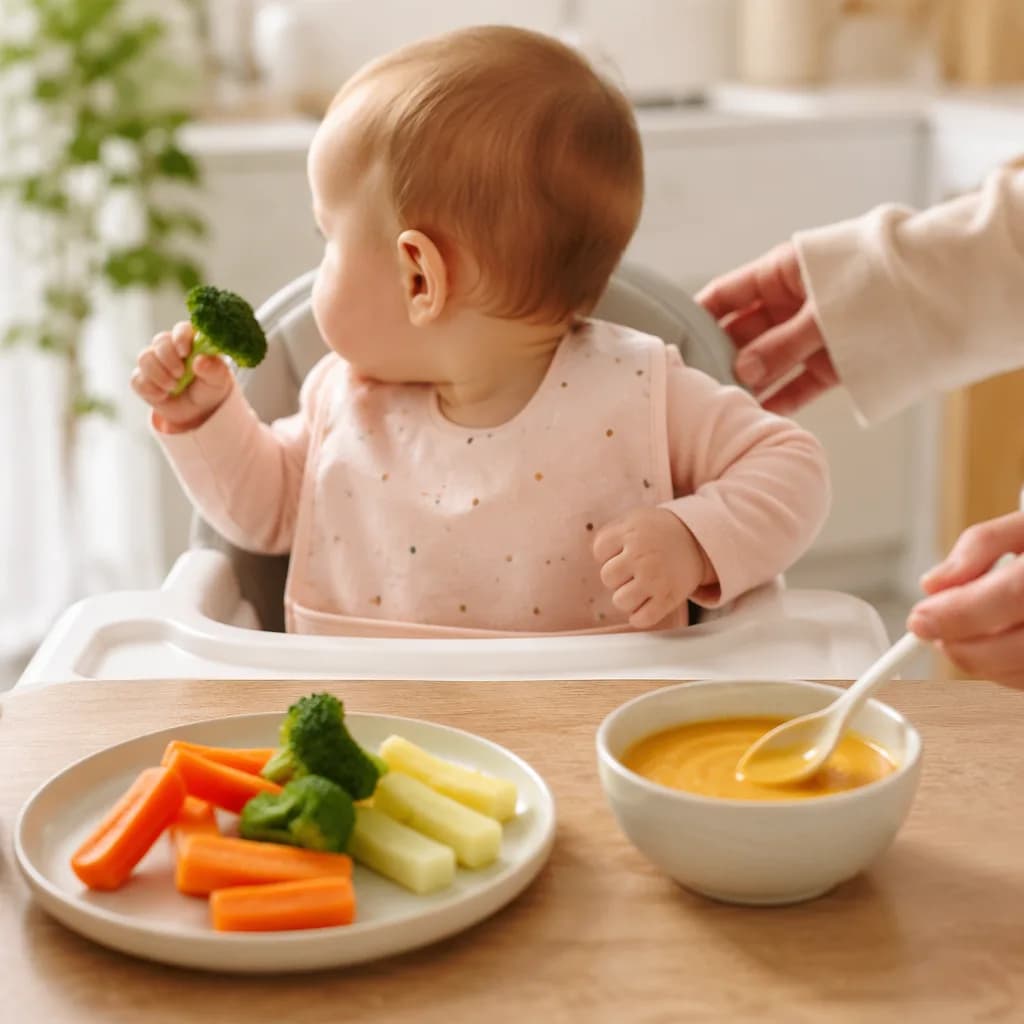 baby-food
Baby Led Weaning vs Purees: Which Fits Your Baby?
Baby led weaning and purees can both work. Here’s how to compare safety, mess, feeding skills, iron needs, and your real family schedule.
14 min readJul 18, 2026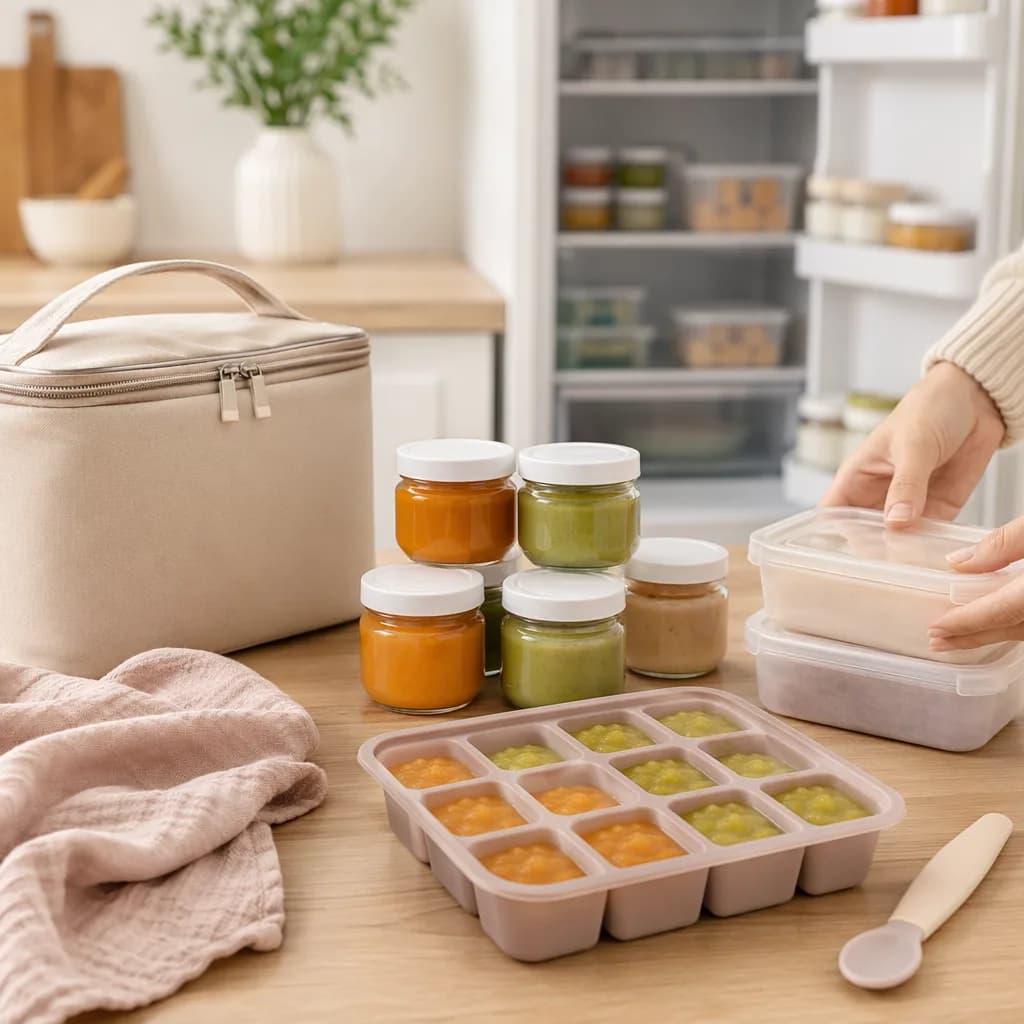 baby-food
Baby Food Storage: Fridge, Freezer, and Travel Tips
Simple baby food storage rules for the fridge, freezer, and diaper bag, including how long purees last and when to toss leftovers.
14 min readJul 4, 2026- baby-food
Baby-Led Weaning Basics: Safe First Foods
A calm starter guide to baby-led weaning, with readiness signs, safe first foods, choking basics, and simple ways to begin.
13 min readJul 3, 2026