
Calm Nursery Setup for Sleep and Daily Baby Care
Start with the two jobs your nursery must do
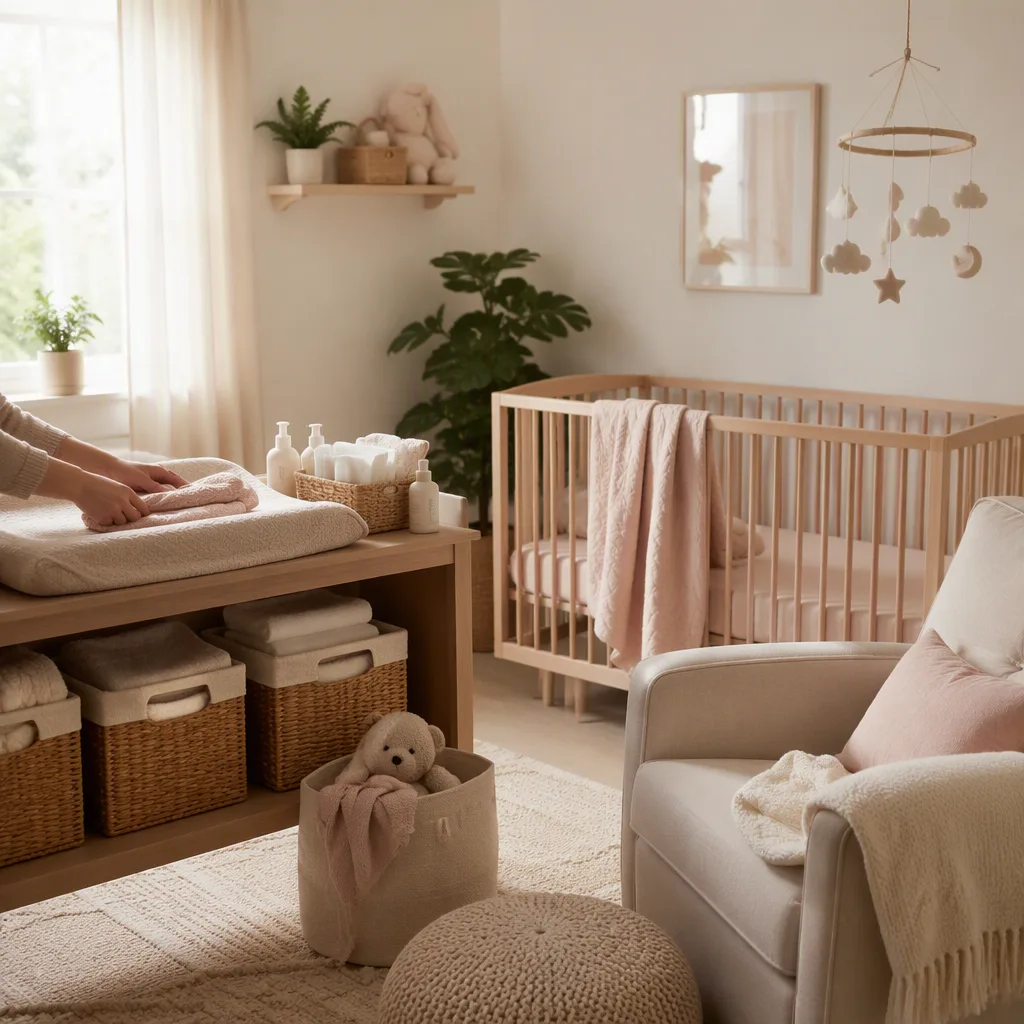
A calm nursery setup starts with function, then decor. Before choosing wall art, rugs, or a mobile, think about the two jobs this room has to handle every day: sleep and care.
The sleep zone is the crib area. Keep it simple, quiet, and easy to darken. Pretty baby nursery ideas work best when they don’t get in the way of movement, light control, or safe sleep. A crib centered on one wall with soft curtains nearby can feel peaceful without needing much else. If you’re choosing gear for this area, it may help to compare options like Best Baby Monitor: Audio, Video, Wi-Fi Choices or check which Baby Monitor Features Worth Checking Before You Buy actually matter for your setup.
The care zone is where diaper changes, feeding, and little cleanups happen. Picture this: crib on one wall, changing dresser across the room, and a feeding chair nearby with a small basket of burp cloths tucked beside it. That one basket saves you from hunting through drawers at 3 a.m. Add the things you reach for often, like bottles if you use them. This guide to Best Baby Bottles by Flow, Shape, and Cleaning can help if you’re still sorting out feeding supplies.
Fewer pieces usually make the room feel calmer. They also make it easier to walk, rock, feed, change, and settle your baby when everyone is half-awake. Even small choices matter. A pacifier kept in the same drawer each night, if your baby uses one, can be one less thing to search for. Here’s a helpful look at Pacifier Pros and Cons by Age, Sleep, and Weaning.
And if you’re still in the sweet naming stage, a quiet nursery pairs nicely with a name that feels meaningful to you, like Tanmay Suresh Upadhyay: meaning & origin.
Choose a safe, quiet spot for the crib
Start with the crib, then let the rest of the room work around it.
Place it away from windows, curtain cords, heaters, shelves, wall hangings, and anything a baby could reach or pull down later. That sweet little newborn stage changes quickly. A plant stand, picture ledge, or low bookshelf that feels harmless now can become very interesting once baby starts rolling, scooting, and grabbing.
Keep the crib itself simple for sleep: a firm mattress, a fitted sheet, and nothing else. No pillows, loose blankets, bumpers, or stuffed animals while baby is sleeping. You can still make the nursery feel soft and calm with warm white walls, linen curtains, a chunky rug, woven baskets, or a cozy glider nearby. The crib doesn’t have to carry the whole design.
If you have a choice, try placing the crib a little farther from the door so hallway noise is less noticeable during naps. Still, safety and airflow matter more than getting the quietest corner. Don’t tuck the crib somewhere stuffy just because it’s farther from the action.
A simple nap-time test helps. Stand in the room around the time baby will usually sleep and look for bright patches on the mattress, drafts near the crib, and sounds you don’t notice at night, like a barking dog, laundry machines, or traffic. This is also a good moment to think through monitor placement. If you’re comparing options, Best Baby Monitor: Audio, Video, Wi-Fi Choices and Baby Monitor Features Worth Checking Before You Buy can help you sort out what you actually need.
Room-sharing? Same idea. A bassinet or crib in your bedroom can still feel calm with dim light, a clear sleep space, and a small feeding station with burp cloths, water, and bottles if you use them. For bottle setup, Best Baby Bottles by Flow, Shape, and Cleaning is handy, and if pacifiers are part of sleep, Pacifier Pros and Cons by Age, Sleep, and Weaning is worth a read. Even tiny details, like a name print inspired by Tanmay Suresh Upadhyay: meaning & origin, can sit across the room where it adds warmth without crowding the sleep space.
Set up a changing area you can use one-handed
A calm nursery isn’t just about soft colors and pretty curtains. It’s also about making the repetitive stuff feel easier at 2:17 a.m., when everyone is tired and the baby is somehow wide awake.
Set up your changing spot so the essentials are within arm’s reach, but out of baby’s reach: diapers, wipes, cream, hand sanitizer, and a clean change of clothes. The sweet spot is usually the top drawer of the dresser or a small caddy right beside the changing pad. Not across the room. Not in a cute basket under the crib. Close enough that you don’t have to step away.
A lidded diaper pail belongs near the changing area too. If it’s across the nursery, you’ll either leave the diaper sitting there “just for a second” or carry a wriggly baby and a messy diaper at the same time. Neither is fun.
For the pad itself, go practical. A wipeable pad cover or a few washable liners can save you from stripping the whole setup after every newborn blowout. Keep two or three folded in the drawer with the diapers so you can swap one quickly and move on.
And the big safety reminder: keep one hand on baby during every change, even if you’re only reaching for a wipe. Babies can surprise you before they’re officially rolling.
If your changing area sits near the crib, this is also a good moment to think through nighttime gear, like the best baby monitor options or which baby monitor features are actually worth checking. A small tray for feeding odds and ends can help too, especially if you’re comparing baby bottles by flow, shape, and cleaning or keeping a pacifier nearby after reading through the pacifier pros and cons.
Tiny detail, but sweet: if you’ve chosen a meaningful name, like Tanmay Suresh Upadhyay, a small name card above the dresser can make even the diaper station feel personal.
Make feeding comfortable without crowding the room
A good feeding corner doesn’t need much. It needs to work at 2 a.m., when you’re tired, the baby is hungry, and nobody wants bright lights or extra decisions.
Start with a supportive chair. A full glider is lovely if you have the space and budget, but it’s not required. A comfortable armchair with a small footstool can do the job beautifully. Add a small table close enough to reach without shifting the baby. That table can hold a dim light, a water bottle, burp cloths, and a phone charger if you want one nearby.
Keep the whole area low-stimulation, especially for night feeds. Soft lighting matters. So does keeping the wall behind the chair simple, with fewer patterns and less visual noise. This is the same calm idea we use across the nursery: fewer things competing for attention, more things that quietly help.
A basket beside the chair is one of those newborn nursery essentials that earns its place every day. Tuck in nursing pads, burp cloths, a spare onesie, and a clean pacifier if you use one. If you’re still deciding, this guide to Pacifier Pros and Cons by Age, Sleep, and Weaning can help.
Bottle feeding? Keep your most-used bottles nearby and read through Best Baby Bottles by Flow, Shape, and Cleaning before overbuying.
If a monitor will sit near the chair, compare Best Baby Monitor: Audio, Video, Wi-Fi Choices and check Baby Monitor Features Worth Checking Before You Buy. Small choices add up. So do small comforts.
Use soft light that helps nights stay boring
Night lighting is one of those nursery choices that feels small until you’re standing there at 3:12 a.m. with a half-awake baby and one eye open.
If sunlight hits the crib during naps or early mornings, start with blackout curtains or shades. You don’t need anything fancy. Even simple blackout panels can help the room feel quieter and less stimulating when baby needs sleep instead of a bright patch of morning light across their face.
For nighttime feeds and diaper changes, skip the big overhead light if you can. A bright ceiling light can make the whole room feel awake, and once baby is fully alert, it can be harder for you to resettle too. A dimmable lamp on the dresser, or a plug-in night light near the changing area, usually works better.
Choose warm bulbs for the evening routine instead of cool, blue-toned light. Warm light feels softer, especially during feeding, rocking, and those slow little moments before sleep. If you’re setting up nearby gear too, this is a good time to think through your monitor setup, including the basics in Best Baby Monitor: Audio, Video, Wi-Fi Choices or the practical details in Baby Monitor Features Worth Checking Before You Buy.
Here’s the simple test: if you can change a diaper without squinting and without lighting the whole room, the setup is working.
Keep it boring. That’s the goal. A quiet bottle, a soft glow, maybe a pacifier if it fits your family’s sleep plan. If you’re still sorting those choices, Best Baby Bottles by Flow, Shape, and Cleaning and Pacifier Pros and Cons by Age, Sleep, and Weaning can help.
Keep nursery organization simple and visible
A calm nursery isn’t just about soft colors and cozy lighting. It’s also about being able to find the clean burp cloth at 2:13 a.m. without opening six drawers.
Group items by task first: sleep, changing, feeding, clothing, laundry, and backup supplies. This keeps the room easy to use, especially when someone else is helping. A grandparent, partner, or babysitter shouldn’t have to guess where the wipes live. Drawer dividers, labeled bins, and clear baskets all work well because they make the system visible at a glance.
Here’s a simple setup that actually holds up in daily life:
- Top drawer: diapers, wipes, diaper cream, and a few clean burp cloths
- Second drawer: current-size sleepers and onesies
- Bottom drawer: swaddles, sleep sacks, and extra crib sheets
- Labeled bin on a shelf: next-size-up clothes
- Small basket near the chair: feeding supplies, especially if you’re using bottles and want to compare options like these best baby bottles by flow, shape, and cleaning
Keep current-size clothes in the easiest drawer. Bigger sizes can go higher up, in the closet, or in a labeled bin. You’ll save yourself from digging through 6-month pajamas when you need a newborn sleeper right now.
Put a small laundry hamper right near the changing area, too. Stained onesies, damp burp cloths, and crib sheets need a place to land quickly.
Try not to overfill the nursery before your baby shows you what they actually use. Some babies love swaddles. Some do better with sleep sacks. Some take a pacifier, and some don’t, so it helps to read through pacifier pros and cons by age, sleep, and weaning before stocking a whole drawer.
The same goes for gear. If you’re still choosing, compare the best baby monitor options and check which baby monitor features are worth reviewing before you buy. Then leave breathing room in the room itself.
And if you’re still naming the baby whose tiny socks are about to take over that second drawer, Tanmay Suresh Upadhyay is a lovely one to browse.
Pick calming colors, textures, and sounds
Soft, muted colors are usually easier to live with than bright, busy ones, especially during long feeding days and half-awake diaper changes. Warm white, greige, sage, dusty blue, taupe, and muted terracotta all work well because they feel gentle without making the room look bare.
Think comfort first. Matching every single item matters much less than how the room feels at 3 a.m.
Washable rugs, simple curtains, and woven baskets can add warmth without making the nursery visually loud. A chunky neutral rug underfoot, linen-style curtains that soften daylight, and one basket for burp cloths beside the chair can do more than a dozen themed decorations. If you’re setting up a feeding corner, pair that basket with a few practical choices from Best Baby Bottles by Flow, Shape, and Cleaning so the room supports real daily care.
Keep wall art calm and secure. Anything hung near the crib should be fastened well, and it’s safest to keep frames, shelves, and heavy decor away from the crib area entirely.
Sound matters too. White noise can be helpful, but keep it at a safe volume and place it across the room from the crib, not beside baby’s head. If you’re choosing tech for the nursery, compare Baby Monitor Features Worth Checking Before You Buy or start with Best Baby Monitor: Audio, Video, Wi-Fi Choices.
These baby nursery ideas should serve your rhythm: sleep, feeds, diaper changes, cuddles. A pacifier basket near the chair, guided by Pacifier Pros and Cons by Age, Sleep, and Weaning, is more useful than a perfectly styled shelf. And if you love meaningful details, a small name card like Tanmay Suresh Upadhyay: meaning & origin can feel personal without cluttering the room.
Create a short list of newborn nursery essentials
A calm nursery starts with the basics. Not the cute extras first. The things you’ll reach for at 2:13 a.m. with one hand.
Here’s a simple newborn nursery essentials list:
- Safe crib or bassinet
- Firm mattress
- Fitted sheets, ideally a few
- Swaddles or sleep sacks
- Diapers
- Wipes
- Changing pad
- Diaper cream
- Burp cloths
- Hamper
- Dim light for night feeds and changes
- A comfortable place to sit
That’s really the core setup. Sleep, feeding, changing, cleanup. If those four jobs feel easy to reach, the room will work.
The nice extras can wait. A mobile, pretty decor baskets, a wipe warmer, or a fancy sound machine might be lovely, but they don’t need to be in the room before baby comes home. Same with tech. If you’re still comparing options, our guides to the Best Baby Monitor: Audio, Video, Wi-Fi Choices and Baby Monitor Features Worth Checking Before You Buy can help you decide without buying three gadgets you don’t use.
Buying fewer items at first also keeps the nursery from feeling crowded. It gives you space to notice what your baby actually likes, then return or exchange things while the packaging is still in decent shape. Maybe your baby takes to a pacifier, maybe not. If you’re unsure, this piece on Pacifier Pros and Cons by Age, Sleep, and Weaning is a helpful read.
If you have a two-story home, duplicates can be sanity-saving. A small diaper caddy downstairs with diapers, wipes, cream, and burp cloths means you’re not climbing stairs after every spit-up. If bottles are part of your plan, keep a few nearby and check Best Baby Bottles by Flow, Shape, and Cleaning before stocking up.
And if you’re still choosing names while folding tiny sheets, Tanmay Suresh Upadhyay: meaning & origin is a sweet one to browse.
Plan for growth without making the nursery feel busy
A calm nursery has room to breathe. That matters now, and it matters even more once diapers, wipes, tiny socks, burp cloths, bottles, and bedtime books start piling up.
Choose storage that can change jobs later. A simple dresser drawer can hold diapers today, then pajamas, toys, or board books in a year. A woven basket beside the glider can hold swaddles now and bedtime stories later. If you’re setting up feeding supplies, it helps to keep only what you truly use nearby, especially after you’ve sorted through options like the ones in Best Baby Bottles by Flow, Shape, and Cleaning.
Leave empty space on purpose. One open shelf and one half-empty drawer can feel almost silly at first, but baby gear multiplies quietly. A little breathing room keeps daily care from turning into a rummage hunt at 2 a.m.
Before your baby can pull up or climb, mount furniture securely. Dressers, shelves, and bookcases should be anchored so the room stays safe as curiosity grows.
Add a low book bin or soft basket near the chair. At first, it may just hold a few cloth books. Later, it can become part of the bedtime rhythm: pajamas, pacifier if you use one, one book, lights low. If you’re thinking through soothing habits, Pacifier Pros and Cons by Age, Sleep, and Weaning is a helpful read.
Every few months, do a quick reset. Remove outgrown clothes, half-used products you don’t reach for, and clutter that makes care harder. This is also a good time to check sleep gear, from Baby Monitor Features Worth Checking Before You Buy to Best Baby Monitor: Audio, Video, Wi-Fi Choices. And if there’s a keepsake name card on the shelf, like Tanmay Suresh Upadhyay: meaning & origin, give it space instead of crowding it. A few meaningful things always feel calmer than too many.
Frequently Asked Questions
What is the best nursery setup for a newborn?
The best nursery setup has a safe sleep space, an easy changing area, a comfortable feeding spot, dim lighting, and simple storage for daily supplies.
What should be in a nursery before the baby arrives?
Have a crib or bassinet, fitted sheets, diapers, wipes, a changing pad, burp cloths, swaddles or sleep sacks, a hamper, dim light, and a chair ready.
Where should the crib go in a nursery?
Place the crib away from windows, cords, heaters, shelves, curtains, and wall decor. Keep the sleep space clear and easy to reach.
How can I make a nursery feel calm?
Use soft colors, warm dim light, blackout curtains, simple storage, and fewer decorations. A calm room is usually easy to move through and easy to tidy.
How do I organize a small nursery?
Use drawers, wall-safe shelves, under-crib storage if available, and one portable diaper caddy. Keep only current-size clothes and daily supplies in the room.
Do I need a changing table in the nursery?
No. A dresser with a secured changing pad or a portable changing mat can work well, as long as supplies are close and the surface is safe.
Frequently asked questions
What should I set up first in a nursery?
How can I make a nursery feel calm without buying a lot?
What belongs in the crib for sleep?
Where should the changing area go?
References
Sources
External research this article was grounded in.
- 22 Calm Nursery Ideas for a Peaceful Baby Roomnamemybaby.io
- Create - Minecraft Modmodrinth.com
- Taxe d'habitation sur les résidences secondaires | Service Publicservice-public.gouv.fr
- How to Set Up a Baby Nursery: Complete Guide with Safety Checklist | Baby Checklistbabychecklist.net
Related reading
More from the journal → baby-products
Newborn Essentials Checklist: Buy This, Skip That
A calm newborn essentials checklist for what to buy now, what can wait, and what to skip so you can prep for baby without overbuying.
20 min readAug 3, 2026- baby-products
Car Seat Safety for Newborns: Fit, Position, Mistakes
Newborn car seat safety starts with fit: rear-facing straps, a snug harness, correct recline, and no bulky coats or extra padding.
12 min readAug 3, 2026 - baby-products
Babywearing for Beginners: Fit, Wraps, and Tips
New to babywearing? Start with simple fit checks, carrier types, and calm tips that help you carry baby safely and comfortably.
12 min readAug 3, 2026