
Finger Foods for Babies: Safe Starters by Texture
When babies are ready for finger foods
Most babies are ready to try first finger foods around 6 months, but the calendar isn’t the boss here. Your baby’s body cues matter more, and your pediatrician’s guidance matters too, especially if your baby was born early or has feeding or growth concerns.
Look for a few practical signs. Your baby can sit with support. Their head control is steady. They reach toward food when you’re eating. They bring toys or hands to their mouth. That strong tongue-thrust reflex, the one that pushes food right back out, is starting to fade.
A real-life example helps: if your baby can sit in the high chair, pick up a soft strip of banana, bring it to their mouth, gum it, and stay upright while doing it, they’re showing useful skills for finger foods.
Finger foods aren’t only for baby-led weaning. They can fit with spoon-feeding, baby-led weaning, or a relaxed mix of both. Maybe breakfast is oatmeal from a spoon, and lunch includes soft avocado strips to touch, squish, and taste.
If you’re still sorting out timing, our Baby Feeding Schedule: A Simple Start for Tired Parents can help. For a closer look at readiness, read Baby Weaning Signs: Is Your Baby Ready for Food?. And before common allergens enter the picture, keep Introducing Allergens to Baby: A Calm Parent Guide nearby.
Texture comes first: what makes baby finger foods safe
For early finger foods, texture matters more than a huge list of “yes” foods. The safest starters are soft enough to mash between two fingers, moist, and easy for baby to gum. Think very ripe banana, steamed sweet potato, soft avocado, or a strip of well-cooked carrot that squishes with gentle pressure.
That last carrot example is the whole point. A carrot can be a helpful starter when it’s steamed until soft, but the same carrot served raw is too hard for a new eater. So instead of asking, “Is this food safe?” try asking, “Is this version of the food safe for my baby right now?”
Use your own hand as the test. Press the food between your thumb and forefinger before serving. If it flattens or breaks apart easily, you’re much closer to the right texture. If it stays firm, snaps, rolls away, or sticks stubbornly to your fingers, save it for later or prepare it differently.
Shape matters too. In the beginning, many babies do better with larger strips or spears they can hold in their fist, with part of the food sticking out for them to mouth. Once the pincer grasp develops, you can move toward small, pea-sized pieces. That shift usually feels exciting, and a little messy. Both are normal.
Try to avoid foods that are hard, round, sticky, slippery, or coin-shaped. A soft strip of steamed zucchini is very different from a round slice of hot dog or a whole grape. Size, shape, and texture all work together.
If you’re just getting started, it helps to pair finger foods with a simple rhythm from a baby feeding schedule. You can also check for baby weaning signs before offering solids, and keep a calm plan for introducing allergens to baby. And if your late-night baby research somehow turns into name browsing, Aurora and Tanmay Suresh Upadhyay are waiting for you too.
Soft first finger foods for babies 6 months and up
Soft first finger foods work best when they’re easy to squish between your fingers and shaped so baby can hold them. At this age, the goal isn’t a full meal. It’s practice: touching, smelling, mouthing, dropping, and maybe swallowing a little.
If you’re still checking readiness, this guide to baby weaning signs can help you feel less unsure before you start.
Here are gentle starter foods grouped by texture.
Mashed-soft fruits
Choose ripe fruit that gives easily when pressed.
- Ripe avocado wedges
- Banana strips
- Ripe pear slices without peel
Avocado is a lovely first food because it’s naturally soft and easy to hold when cut into a wedge. Banana can be slippery, so a longer strip often works better than small round pieces. Pear should be very ripe, peeled, and soft enough that it doesn’t snap when baby gums it.
Steamed vegetables
Cook vegetables until very tender, then let them cool before serving.
- Steamed sweet potato sticks
- Very soft broccoli florets
Sweet potato sticks are a classic because they’re easy for little hands to grab. Broccoli florets can be helpful too, especially when the stem is soft and the top gives baby something to hold.
Tender proteins
Keep proteins moist and soft.
- Shredded chicken
- Soft scrambled egg strips
A few shreds of moist chicken can be easier than a chunk. Soft scrambled egg strips are another option when appropriate for your baby. If you’re thinking about egg or other common allergen foods, you may want to read Introducing Allergens to Baby: A Calm Parent Guide first.
Soft grains
These should be easy to gum, not hard or crunchy.
- Toast fingers with a thin spread
Cut toast into finger-length strips, and keep the spread thin. Think “just enough to soften and add taste,” not a thick layer.
Dairy-based options when appropriate
Some families include soft dairy-based foods as part of early meals when it fits their baby’s needs. Keep the texture smooth or very soft, and offer small amounts at first.
Serve one or two pieces at a time so the tray doesn’t become a tiny buffet. Too many choices can feel overwhelming.
A simple starter plate might be: one avocado strip, one soft sweet potato spear, and a few shreds of moist chicken.
For a bigger picture of how food can fit into the day, Baby Feeding Schedule: A Simple Start for Tired Parents is a gentle next read. If you wandered here during a late-night baby-name scroll too, we’ve all been there. You might enjoy Aurora: meaning & origin or Tanmay Suresh Upadhyay: meaning & origin.
Finger foods by texture stage
It helps to think about baby finger foods by texture, not by a strict age chart. Babies build hand skills, mouth skills, and confidence at different speeds. One baby may happily squish avocado between their fingers for weeks, while another is ready for soft pasta pieces sooner.
Before you start, it can be helpful to check the basics in Baby Weaning Signs: Is Your Baby Ready for Food?. Readiness matters more than the calendar.
Stage 1 is all about very soft, mashable foods. These are foods that flatten easily between your fingers and don’t need much chewing. Good starters include:
- Banana strips or small soft pieces
- Avocado slices
- Cooked carrot sticks that are soft all the way through
- Tender zucchini pieces
This stage is messy. That’s fine. Babies use their fingers for touching, gripping, and learning what food feels like, so squishing lunch is part of the work. If you’re also trying to settle into a rhythm, Baby Feeding Schedule: A Simple Start for Tired Parents can help make meals feel less random.
Stage 2 foods are still soft, but they have a little more structure. Think foods that hold their shape for a moment, then break down easily. You might offer small pasta pieces, omelet strips, ripe mango, or meatballs made very tender. A meatball, for example, should crumble easily when you press it, not bounce back like a firm sausage.
If you’re adding common allergen foods during this phase, keep the mood calm and simple. One small serving at a time is easier to watch and easier on your nerves. This guide on Introducing Allergens to Baby: A Calm Parent Guide is a good companion for that step.
Stage 3 brings in mixed textures once chewing improves. Try soft rice with beans, small pieces of pancake, flaky salmon, or toast cut into small bites. These foods ask baby to do a bit more work, so stay close and keep portions manageable.
A simple way to move forward: if baby manages a texture calmly for several meals, try something slightly firmer or a smaller piece next time.
And if teething, illness, or one rough meal throws things off, backing up is normal. Go softer for a day or two. Progress doesn’t have to be a straight line, whether you’re feeding breakfast or pausing to look up a name like Aurora or Tanmay Suresh Upadhyay during nap time.
Foods to avoid or change before serving
Some foods are just the wrong shape, texture, or stickiness for a new eater. That doesn’t mean they’re off the table forever. Often, a small prep change makes them much safer.
Common choking hazards to pause or change before serving include:
- Whole grapes
- Cherry tomatoes
- Popcorn
- Nuts
- Hard raw vegetables
- Chunks of apple
- Hot dog coins
- Spoonfuls of nut butter
- Hard crackers
- Sticky candy
Round foods are the big ones to watch. Grapes, cherry tomatoes, and hot dogs can block an airway because of their shape, so cut them into thin strips instead of circles. For grapes, quarter them lengthwise. Apples should be cooked until soft enough to squish gently between your fingers, rather than served in firm chunks. Meat is easier for babies to manage when it’s shredded finely instead of cut into chewy cubes.
Nut butter needs a little extra care too. A thick spoonful can be sticky and hard to move around the mouth, so thin it with yogurt or breast milk before offering it. If you’re working through common allergens, our Introducing Allergens to Baby: A Calm Parent Guide can help you keep things steady and low-stress.
Honey should be avoided before 12 months because of botulism risk. We’d also skip added salt and added sugar where possible, since babies don’t need them.
One more thing that helps parents breathe a little easier: gagging can be normal as babies learn to handle food. Choking is different and can be silent or hard to hear, so close supervision really matters. Sit with your baby, keep them upright, and save food practice for calm moments. If you’re still deciding whether they’re ready, start with Baby Weaning Signs: Is Your Baby Ready for Food?, then build a simple rhythm with Baby Feeding Schedule: A Simple Start for Tired Parents.
How to serve finger foods without panic
Start with the chair, not the food.
Seat baby upright in a high chair, with feet supported if you can. A footrest, a firm box, or a rolled towel setup can help some babies feel steadier. Keep an adult within arm’s reach the whole time, because finger foods are a hands-on stage for everyone at the table.
Offer a little at a time. One or two soft pieces on the tray is plenty at first. Babies use their fingers for touching, grasping, and exploring, and those tiny movements are part of learning how food works. If the tray is piled high, it can feel exciting, slippery, and overwhelming all at once.
Let baby set the pace.
Soft foods like avocado, sweet potato, ripe banana, or very tender cooked vegetables are supposed to get messy. Avocado may end up in hair. Sweet potato may be squeezed into the high chair strap. That doesn’t mean the meal is failing. It means baby is learning texture, pressure, smell, and how much squeeze turns food into mush.
Try to model chewing with a calm, open face. Take a bite of your own food, chew slowly, and smile. You don’t need to narrate every second or wipe after every smear. Constant wiping can make some babies tense, and rushing can make meals feel like a test.
If you’re still working out timing, this baby feeding schedule guide can help you keep meals simple. Before starting, it also helps to check baby weaning signs so you’re not pushing before baby is ready.
One more confidence builder: take an infant CPR class or review choking first aid from a trusted source. Knowing what to do helps you stay steadier. And if you’re planning allergen foods soon, read this calm guide to introducing allergens to baby before they hit the tray.
Simple prep ideas for busy days
Baby finger foods get much easier when you prep one soft food and use it a few ways. Think simple, squishable, and easy to pick up.
A few make-ahead ideas:
- Steam a tray of sweet potato wedges until they’re soft all the way through.
- Roast pear halves until tender, then slice into easy-grip pieces.
- Cook mini lentil patties that hold together but still mash easily.
- Shred slow-cooked chicken into soft, thin pieces.
- Freeze soft pancake strips so you can pull out one or two at a time.
The goal isn’t to make a brand-new meal every time. It’s to have a few gentle textures ready, especially on days when naps are odd and everyone’s hungry at once. If you’re still figuring out timing, this baby feeding schedule can help you keep meals feeling manageable.
Storage can stay simple too. Refrigerate cooked foods promptly, use them within a few days, and reheat until steaming before cooling to serve. Always check the texture again after reheating, since some foods firm up in the fridge.
A real-life example: leftover steamed broccoli from dinner can become tomorrow’s lunch if it’s soft enough to squish between your fingers. Pair it with something familiar, like sweet potato or pancake strips, and you’ve got one known food beside one newer texture. That keeps the meal low-pressure.
If you’re adding common allergens alongside finger foods, this calm guide to introducing allergens to baby is useful. And if you’re wondering whether your baby is ready for this stage at all, start with the signs in Baby Weaning Signs.
Frequently Asked Questions
What are the best first finger foods for babies?
Good first finger foods are soft, moist, and easy to mash, such as ripe avocado, banana strips, steamed sweet potato, soft broccoli florets, and tender shredded chicken.
How small should I cut baby finger foods?
Early on, larger soft strips are easier for babies to hold. Once your baby has a pincer grasp, you can offer small pea-sized pieces of soft food.
Can babies eat finger foods without teeth?
Yes. Babies can mash soft foods with their gums. Choose foods that squish easily between your fingers and avoid hard, crunchy, or chewy pieces.
What finger foods should babies avoid?
Avoid hard, round, sticky, or slippery foods like whole grapes, nuts, popcorn, raw carrots, apple chunks, hot dog coins, and thick spoonfuls of nut butter.
Are soft foods for babies safer than purees?
Soft finger foods can be safe when prepared correctly and served with close supervision. Purees and finger foods can both fit, depending on your baby's readiness.
Frequently asked questions
When can babies start finger foods?
What texture is safest for first finger foods?
What shape should baby finger foods be?
Which finger foods should babies avoid?
Can finger foods work with spoon-feeding?
References
Sources
External research this article was grounded in.
- Finger - Wikipediaen.wikipedia.org
- Five Fingers Names in English with Pictures • Englishanenglishan.com
- Five Fingers: Names in English with Pictures | Vocabishvocabish.com
- Finger Food For Babies - The Ultimate Guide ・Healthy Little Foodieshealthylittlefoodies.com
Related reading
More from the journal →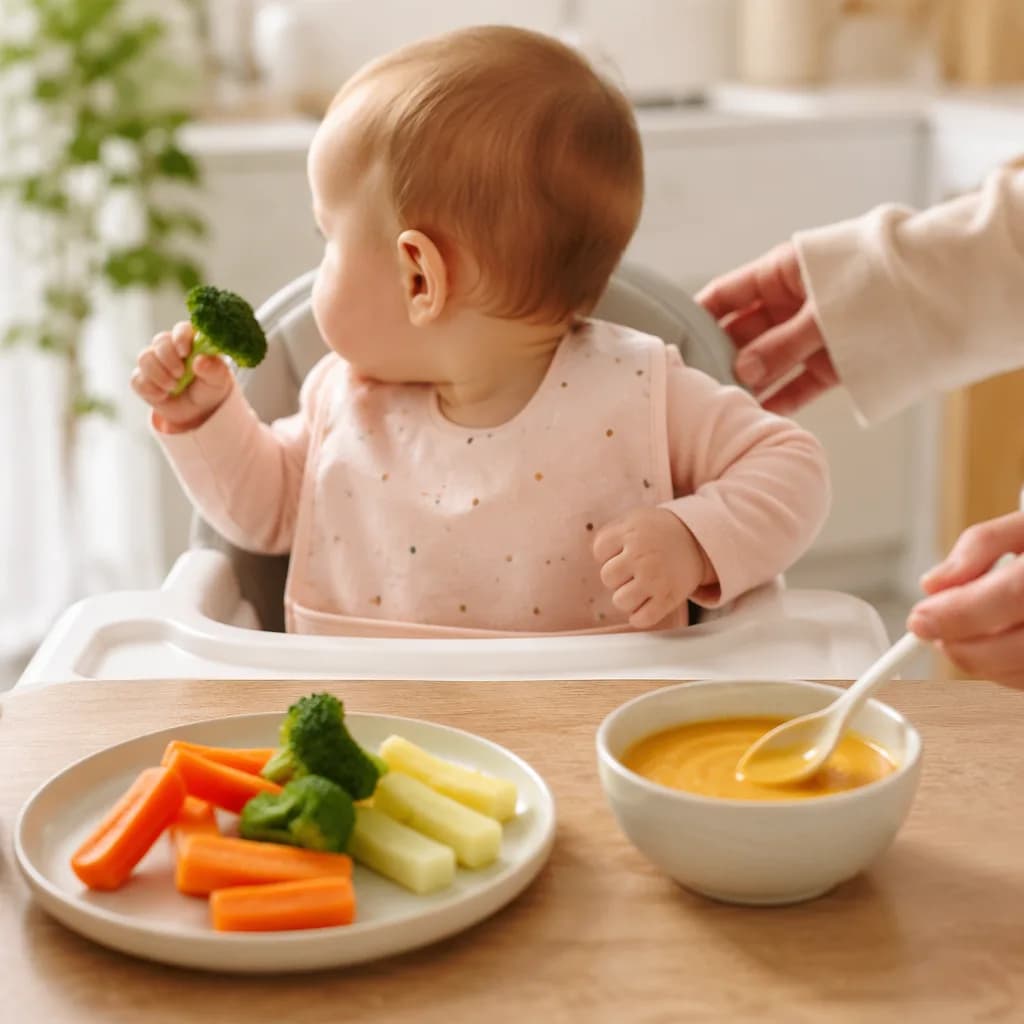 baby-food
Baby Led Weaning vs Purees: Which Fits Your Baby?
Baby led weaning and purees can both work. Here’s how to compare safety, mess, feeding skills, iron needs, and your real family schedule.
14 min readJul 18, 2026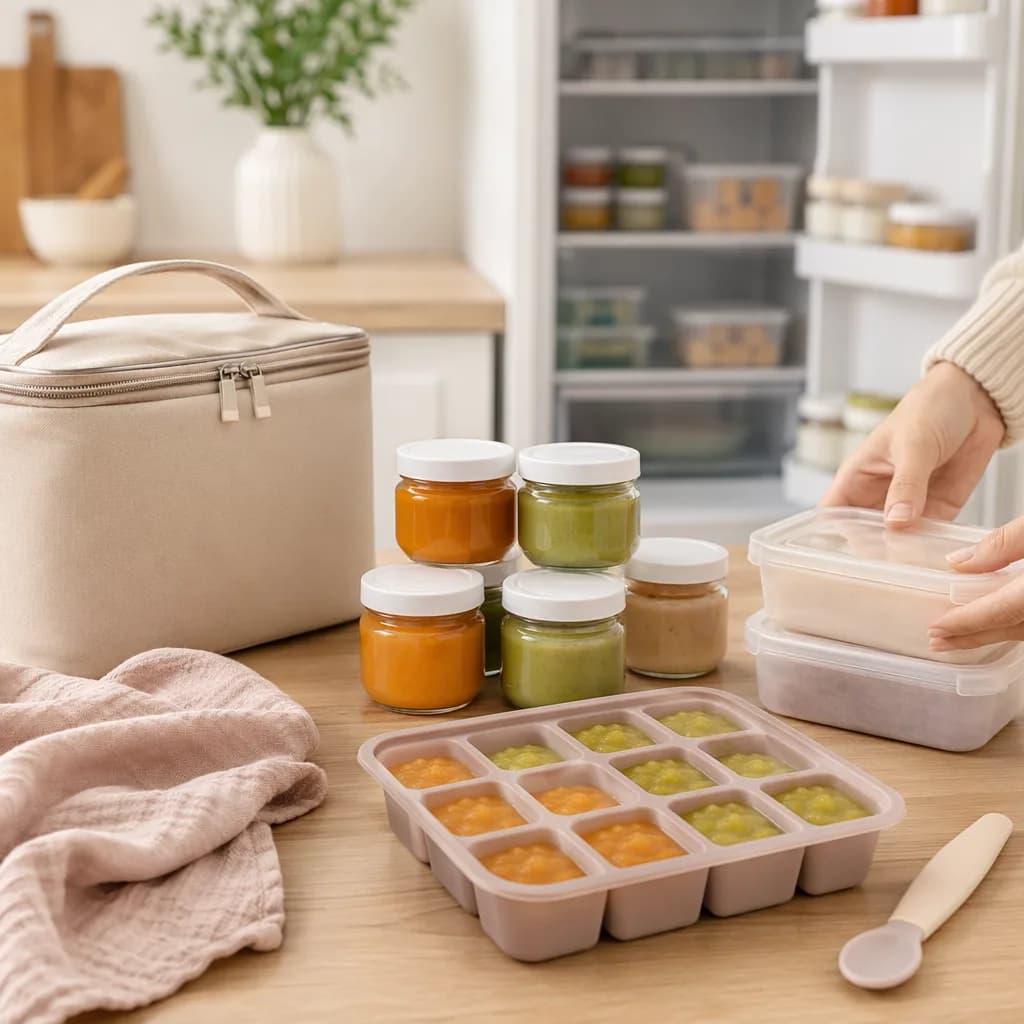 baby-food
Baby Food Storage: Fridge, Freezer, and Travel Tips
Simple baby food storage rules for the fridge, freezer, and diaper bag, including how long purees last and when to toss leftovers.
14 min readJul 4, 2026- baby-food
Baby-Led Weaning Basics: Safe First Foods
A calm starter guide to baby-led weaning, with readiness signs, safe first foods, choking basics, and simple ways to begin.
13 min readJul 3, 2026