
Iron-Rich Foods for Babies: Easy Ideas by Age

Why babies need iron after 6 months
Around 6 months, babies are usually ready to begin solids, and their iron needs become more front and center. Babies are born with iron stores, but those stores usually start dropping around this age. That’s one reason iron-rich first foods matter so much once you’re seeing the usual baby weaning signs.
Iron helps support healthy blood because it’s part of hemoglobin, the protein that carries oxygen in the blood. It’s also connected to myoglobin, which helps store oxygen in muscles. For babies, that translates into the everyday stuff we care about: brain development, growth, energy, and a body that’s getting oxygen where it needs to go.
Breast milk is naturally low in iron, while many formulas contain iron. That doesn’t mean breastfed babies are “behind” or formula-fed babies are “set.” It just means solids have a real job to do. A little beef and sweet potato puree, lentils blended with spinach, or chickpeas with carrots can fit nicely into a simple baby feeding schedule.
How often should you offer iron foods? Aim for iron at meals most days. Not every bite has to be perfect. Some days your baby will eat three spoonfuls and then smear the rest into their hair. Still counts as practice.
If you’re also planning common allergen foods, you can keep that separate and calm with this guide to introducing allergens to baby. And if you notice unusual tiredness, pale skin, poor feeding, or slow growth, it’s a good idea to talk with your pediatrician.
Best iron rich foods for babies
Iron matters in these early food months because the body needs it in the diet to maintain healthy levels, and iron is part of hemoglobin and myoglobin, the proteins involved in oxygen transport in blood and oxygen storage in muscles.
A simple way to think about baby iron foods is this: some come from animal foods, and some come from plant foods or fortified foods. Both count.
Heme iron foods are often easier for the body to absorb. Good baby-friendly options include:
- Beef, cooked until very tender and shredded, minced, or blended
- Lamb, served soft and finely chopped
- Dark turkey meat
- Chicken thighs
- Liver in small amounts
- Sardines, mashed well and checked carefully for bones
- Salmon, flaked very finely
- Egg yolk, mashed or mixed into other soft foods
Non-heme iron foods can be wonderful too, especially when you’re feeding a vegetarian baby or just trying to keep meals varied. Try:
- Lentils
- Beans
- Chickpeas
- Tofu
- Iron-fortified baby cereal
- Oatmeal
- Quinoa
- Spinach
- Peas
- Pumpkin seed butter
- Tahini
- Nut butters, thinned safely until smooth and runny
You don’t have to serve meat if your family doesn’t eat it. Vegetarian iron foods can work well when you plan them thoughtfully and offer them often. A lentil and avocado blend, chickpea and carrot puree, or spinach and lentil puree can all be gentle, practical starting points. If you’re still figuring out timing and portions, this baby feeding schedule can make the day feel less scattered.
Here’s how the options compare on a real baby plate:
- Meat sauce stirred into very soft pasta
- Lentil puree with tomato
- Mashed beans with avocado
- Fortified oatmeal topped with soft mashed strawberries
Texture matters as much as the food itself. Chunks of meat can be hard to manage, so shred meat finely or blend it into sauce. Don’t offer spoonfuls of nut butter, tahini, or pumpkin seed butter. Thin them with warm water, breast milk, formula, or yogurt until they’re smooth and loose. If allergens are on your mind, read this calm guide to introducing allergens to baby.
And before any of this, watch for readiness. Sitting with support, showing interest, and managing food in the mouth are all part of the picture, so this guide to baby weaning signs is worth keeping close.
Tiny side note for the baby book crowd: if meal planning somehow turns into name chatting at the kitchen table, Aurora and Tanmay Suresh Upadhyay are lovely pages to browse while the lentils simmer.
Iron food ideas for purees and spoon feeding
Once baby is showing ready-for-food signs, iron-rich spoon foods can fit into the day without turning your kitchen upside down. If you’re still checking readiness cues, this guide on baby weaning signs can help you feel less rushed.
Start simple. A few easy puree combinations are:
- Beef and sweet potato
- Lentil and carrot
- White bean and pear
- Fortified oatmeal and peach
- Turkey and apple
You don’t need fancy recipes for these. Cook the ingredient until soft, blend with a little water, breast milk, or formula, and keep the texture thin enough for your baby’s current stage. Meat purees often need extra liquid to get smooth, so add it slowly and blend longer than you think.
Texture can change as your baby gets more comfortable. In the beginning, smooth purees are easiest for many babies. Then you can move toward thicker mashed foods, like lentils mashed with carrot or sweet potato. After that, soft lumps can come in when baby is ready, sitting well, managing food in their mouth, and showing interest in more texture. If you want a calmer rhythm for meals, this baby feeding schedule gives a simple starting point.
A practical batch-cooking trick: make a small pot of cooked lentil puree or meat puree, then freeze it in tiny portions. One cube can be stirred into vegetables later, which is especially helpful on tired days.
For example, if your baby loves carrot puree but makes a face at lentils, stir one tablespoon of lentil puree into their usual carrot puree. Familiar taste, tiny change.
Iron-fortified cereal is another flexible option. You can mix it with breast milk, formula, fruit puree, yogurt, or mashed banana, depending on what your baby already tolerates. And as new foods come in, especially common allergens, keep things steady and simple with this calm guide to introducing allergens to baby.
Parenting tabs multiply fast. If yours currently include feeding notes and name ideas like Aurora or Tanmay Suresh Upadhyay, you’re in good company.
Iron foods for baby led weaning
Baby led weaning works best when food is soft enough to squish between your fingers and shaped so baby can hold it. Think strips, sticks, patties, and larger flakes. Iron matters during these early meals because the body needs iron in the diet, and iron is part of hemoglobin and myoglobin, proteins involved in oxygen transport in blood and oxygen storage in muscles.
Before you start, it helps to check readiness cues. If you’re still deciding whether baby is ready, this guide to baby weaning signs is a calm place to begin. A simple rhythm can help too, especially on tired days, so you may also like this baby feeding schedule.
For baby led weaning, serve iron-rich foods in textures that are moist, tender, and easy to manage:
- Tender shredded beef: Cook until very soft, then shred finely and moisten with broth, tomato sauce, or a little olive oil. The meat should be easy to squish, not chewy or dry.
- Soft meatballs: Make small, soft meatballs and flatten them slightly before serving. Add tomato sauce, yogurt, or broth so they stay moist.
- Salmon flakes: Offer large, soft flakes that baby can pick up. Check carefully for bones and add avocado or yogurt if the fish feels dry.
- Omelet strips: Cut a soft omelet into finger-length strips. If egg is new for your baby, read through introducing allergens to baby first.
- Tofu sticks: Serve soft tofu in thick sticks. Pat lightly, but don’t dry it out completely.
- Bean patties: Mash beans, form into soft patties, and flatten well. Whole beans can be tricky, so keep them squished or mashed.
- Lentil fritters: Make them soft inside and easy to break apart. A spoonful of yogurt or avocado on the side helps with moisture.
- Hummus on toast strips: Spread a thin layer of hummus on toast cut into strips. Toast should be lightly crisp, not gummy or tough.
- Fortified oatmeal fingers: Cook oatmeal thick, chill until firm, then slice into soft fingers baby can hold.
Sit with baby during meals, keep distractions low, and avoid hard round foods. Follow current safe-feeding guidance from your child’s clinician or local health service, especially if your baby was born early or has feeding concerns.
And if you’re building a whole baby notebook during this season, between food notes and favorite names like Aurora or Tanmay Suresh Upadhyay, keep it practical. A few safe, soft iron foods on repeat is more than enough.
Foods that help babies absorb iron
Iron does a big job in the body. In adults, much of it is found in hemoglobin and myoglobin, proteins that help move oxygen in the blood and store oxygen in muscles. Babies need iron in their diet too, and pairing foods thoughtfully can make plant-based iron work a little harder.
Vitamin C helps the body absorb non-heme iron, the kind found in plant foods and fortified grains. That doesn’t mean every meal needs a nutrition chart taped to the fridge. Think simple pairings:
- Lentils with tomato
- Fortified oatmeal with mashed strawberries
- Beans with soft-cooked bell pepper
- Tofu with broccoli
- Hummus with soft kiwi on the side
Fruit doesn’t have to be fancy. A few mashed berries next to fortified oatmeal can help, and it’s the kind of breakfast you can pull together while half-awake. If you’re still figuring out timing, this baby feeding schedule can make the day feel less scattered.
Calcium can compete with iron absorption when large amounts are served at the same time, but you don’t need to micromanage normal baby meals. A little yogurt at one meal and beans at another is fine. Just keep the big picture in mind.
For babies under 12 months, cow’s milk shouldn’t be used as the main drink unless your clinician has told you otherwise.
If you’re just starting solids, check for readiness first with these baby weaning signs. And if foods like hummus or tofu bring up allergy questions, this calm guide to introducing allergens to baby may help.
Tiny side note for parents multitasking between meal prep and name lists: we have gentle name pages too, like Aurora and Tanmay Suresh Upadhyay.
Simple iron-rich meal ideas by age
Ages are helpful, but they’re not the boss. Readiness matters more than the calendar, so look for signs your baby can sit with support, bring food toward their mouth, and handle new textures safely. If you want a quick gut-check, our guide to baby weaning signs can help you feel less like you’re guessing.
For around 6 months, think smooth, soft, and easy to swallow. Iron-fortified oatmeal mixed with mashed strawberry is a gentle first breakfast. Beef and squash puree is another good option, especially if you blend it until it’s silky and add a splash of water or broth to loosen it. Lentil and carrot mash works well too, since both ingredients soften nicely and blend into a mild, slightly sweet meal. You can also offer smooth hummus thinned with water on a preloaded spoon. Hand the spoon over and let your baby mouth it at their own pace.
For 7 to 8 months, many babies are ready for thicker mashes and very soft finger foods. Try mashed beans with avocado, soft tofu strips, salmon mixed with sweet potato, or shredded chicken thigh stirred into a little warm broth so it stays moist. Lentil pasta with tomato sauce can be a nice change from purees, especially if the pasta is cooked very soft and cut into baby-friendly pieces. If you’re sorting out timing, meals, and milk feeds, this simple baby feeding schedule is a calm place to start.
For 9 to 12 months, small pieces and soft patties can make meals feel more like family food. Mini turkey meatballs are easy to batch cook and freeze. Bean quesadilla strips can be cut into short, soft pieces. Scrambled egg with spinach gives baby a tender texture, while sardine mashed on toast is quick and flavorful. Quinoa and black bean patties are another good lunchbox-style food for home days, stroller days, and the “I need dinner in ten minutes” days.
For toddlers over 12 months, you can keep building on familiar flavors. Chili with beans and beef is hearty and easy to mash slightly with a spoon. Iron-fortified cereal with fruit works for busy mornings. Tofu stir-fry with soft vegetables, tuna or salmon cakes, and lentil soup with toast are all simple meals that don’t need to feel fancy.
Some of these foods overlap with common allergens, like fish, egg, wheat, soy, and sesame in hummus, so introduce them thoughtfully and one at a time if that feels calmer. Our allergen introduction guide walks through that in a parent-friendly way.
And yes, you may find yourself planning lentils while also bookmarking baby names like Aurora or Tanmay Suresh Upadhyay. Parenting has a funny way of mixing dinner prep, milestones, and name lists into the same afternoon.
How much iron does a baby need?
Common daily iron needs look roughly like this: from 0 to 6 months, babies need about 0.27 mg per day. From 7 to 12 months, that jumps to about 11 mg per day. From 1 to 3 years, it settles around 7 mg per day.
You don’t need to sit at the high chair counting milligrams while your baby paints the tray with lentil puree. Truly. These numbers are more of a helpful clue. They show why iron gets so much attention once babies move into the second half of the first year, especially as solid foods become part of the day.
If you’re still figuring out timing, portions, and what “ready” even looks like, our Baby Feeding Schedule: A Simple Start for Tired Parents can help you build a calmer rhythm. And if your baby is just getting started with solids, check for readiness with Baby Weaning Signs: Is Your Baby Ready for Food?.
Some babies need more individual guidance. Premature babies, low birth weight babies, and babies with certain health concerns may have different iron needs, so it’s smart to ask your pediatrician what fits your child.
It’s also worth asking about screening and supplements, especially if your baby is breastfed or eats very little iron-rich food. Supplements should only be used as directed because too much iron can be harmful.
As you add new foods, including iron-rich options, you may also be planning allergen introductions. This Introducing Allergens to Baby: A Calm Parent Guide pairs well with that stage. And if you’re reading during a late-night feed while also choosing a name, we have gentle name guides too, like Aurora: meaning & origin and Tanmay Suresh Upadhyay: meaning & origin.
What to avoid or limit while adding iron foods
Adding iron-rich foods can feel exciting, especially once you’ve seen the baby weaning signs that your baby is ready for food. Still, a few foods need extra care in this stage.
Honey doesn’t belong in baby recipes before 12 months. Even a tiny drizzle stirred into oatmeal or yogurt is one to skip for now. If a puree tastes flat, try mashed pear, apple, or sweet potato instead.
Go easy on high-sodium processed meats too, including deli meat, bacon, and sausage. They may seem like quick protein options, but babies do better with softer, simpler choices like well-cooked shredded chicken, tender beef blended into puree, lentils, or beans.
Fish can be a helpful food, but choose with mercury in mind. Lower-mercury options like salmon, sardines, and light tuna are better picks in age-appropriate portions. Keep the texture soft and check carefully for bones.
Choking hazards are another big one. Whole nuts, large meat chunks, whole grapes, and spoonfuls of nut or seed butter aren’t safe forms for babies. You can thin nut or seed butter into warm cereal or yogurt, quarter grapes lengthwise when your child is ready for that texture, and shred or mince meat until it’s soft enough to mash between your fingers. If you’re still sorting out timing and textures, this simple baby feeding schedule can help.
Common allergens can be introduced in safe forms, but ask your pediatrician first if your baby has severe eczema, known allergies, or other risk factors. For a calmer step-by-step approach, read our guide to introducing allergens to baby. Then, after the meal is done and the bib is in the wash, you can reward yourself with a lighter tab, maybe browsing Aurora or Tanmay Suresh Upadhyay for fun.
Frequently Asked Questions
What are the best iron rich foods for babies?
Some of the best options are beef, dark turkey meat, chicken thighs, lentils, beans, tofu, egg yolk, sardines, salmon, and iron-fortified baby cereal.
Can babies get enough iron without eating meat?
Yes. Babies can get iron from lentils, beans, tofu, fortified cereal, oats, quinoa, tahini, and seed butters, especially when served with vitamin C foods.
What iron foods are safe for baby led weaning?
Try soft meatballs, shredded tender meat, tofu strips, flattened beans, lentil patties, omelet strips, hummus on toast strips, and salmon flakes.
How often should I offer iron foods to my baby?
Offer an iron-rich food at least once or twice a day once solids are established, especially from about 6 to 12 months.
Does vitamin C help babies absorb iron?
Yes. Pair plant-based iron foods with vitamin C foods, such as berries, tomato, kiwi, citrus, bell pepper, broccoli, or sweet potato.
Is iron-fortified baby cereal necessary?
No, but it can be a helpful easy option. Babies can also get iron from meat, fish, eggs, beans, lentils, tofu, and other fortified grains.
Can too much iron be harmful for babies?
Yes. Food sources are usually safe, but iron drops or supplements should only be given if your baby's clinician recommends them.
Frequently asked questions
Why do babies need iron-rich foods after 6 months?
What are good first iron-rich foods for babies?
Can a vegetarian baby get enough iron?
How can I help my baby absorb more iron?
How often should I offer iron-rich foods to my baby?
References
Sources
External research this article was grounded in.
- Iron - Wikipediaen.wikipedia.org
- Boost Your Baby's Nutrition: 12 Iron-Packed Puree Recipes!happyparentinglife.com
- 20+ Iron Rich Recipes for Babies - Bucket List Tummybucketlisttummy.com
- 50 Iron-Rich Foods for Babies, Toddlers & Kids - Kids Eat in Colorkidseatincolor.com
- Iron | Infant and Toddler Nutrition | CDCcdc.gov
Related reading
More from the journal →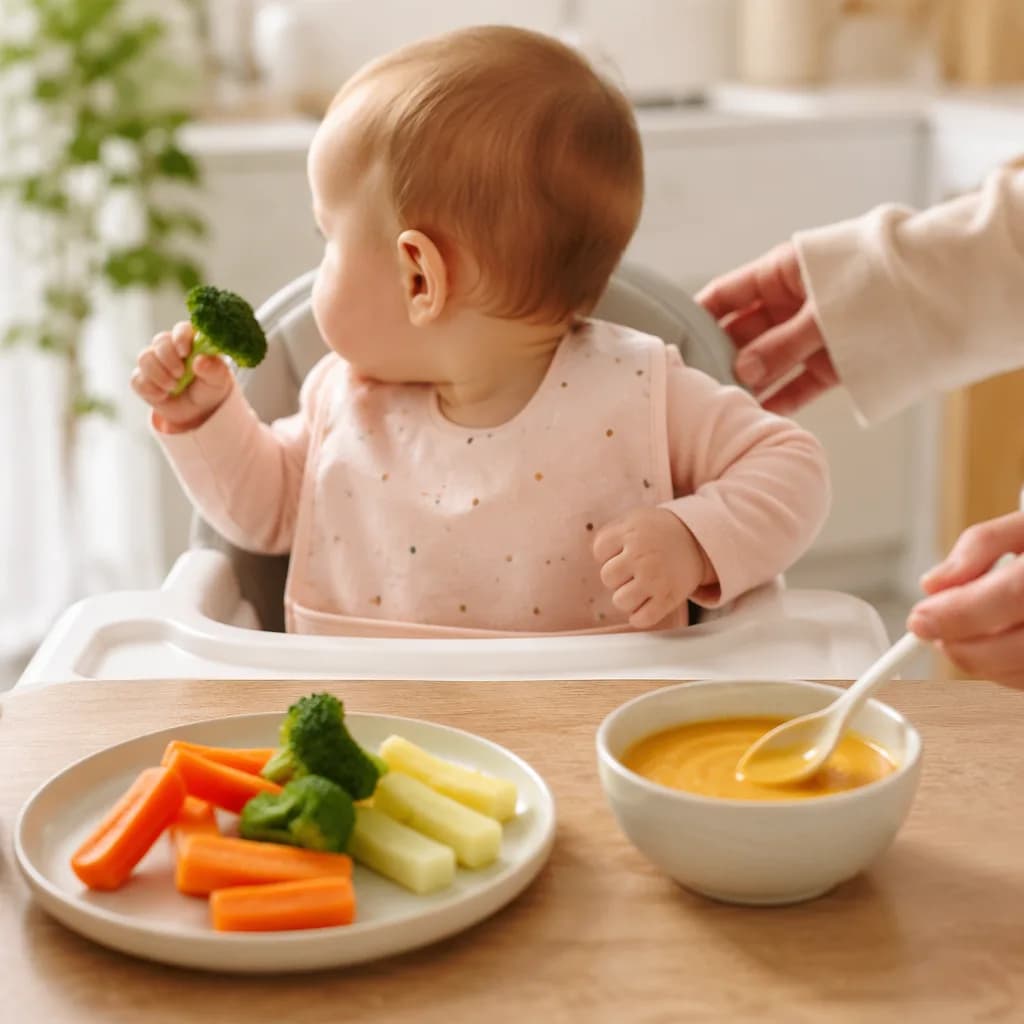 baby-food
Baby Led Weaning vs Purees: Which Fits Your Baby?
Baby led weaning and purees can both work. Here’s how to compare safety, mess, feeding skills, iron needs, and your real family schedule.
14 min readJul 18, 2026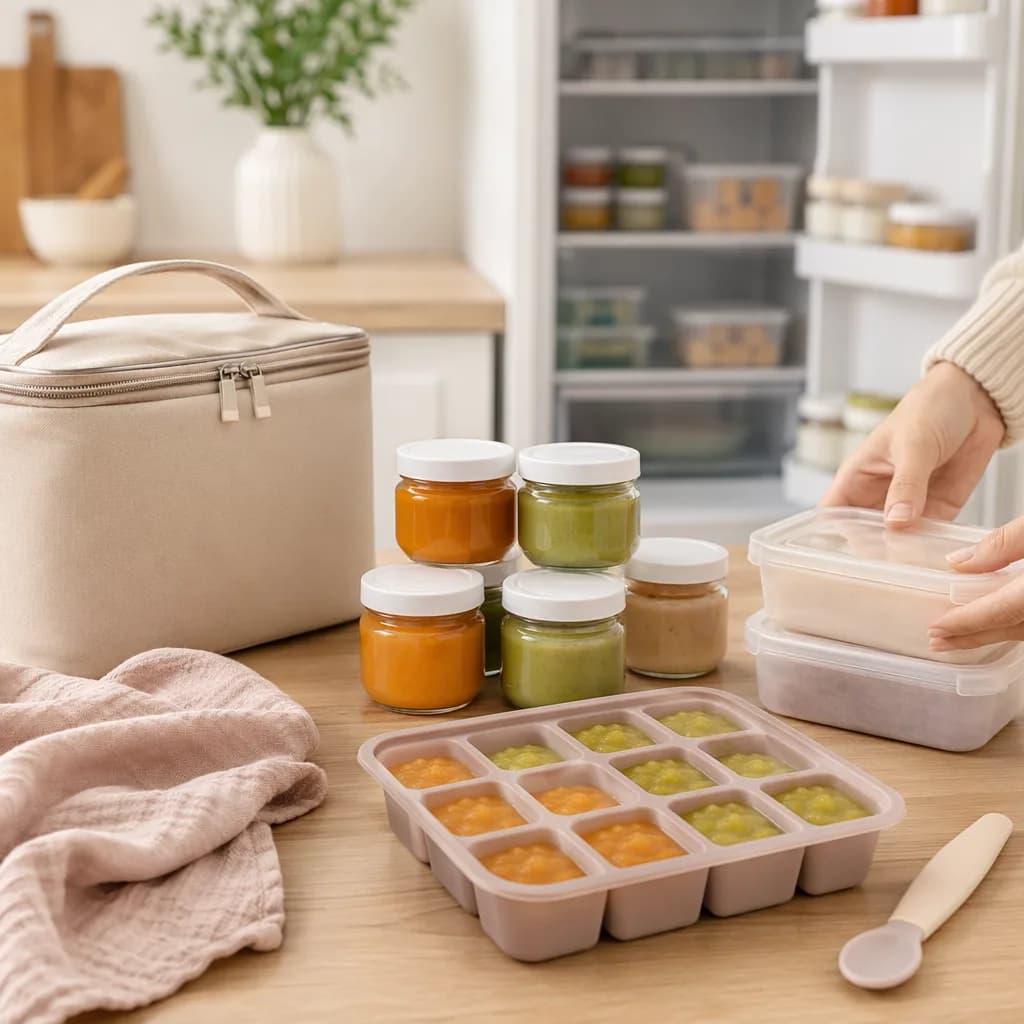 baby-food
Baby Food Storage: Fridge, Freezer, and Travel Tips
Simple baby food storage rules for the fridge, freezer, and diaper bag, including how long purees last and when to toss leftovers.
14 min readJul 4, 2026- baby-food
Baby-Led Weaning Basics: Safe First Foods
A calm starter guide to baby-led weaning, with readiness signs, safe first foods, choking basics, and simple ways to begin.
13 min readJul 3, 2026