
Purees vs Baby-Led Weaning: Which Fits Your Baby?

Purees vs baby led weaning at a glance
Purees and baby-led weaning are two ways to start solids, and both can work beautifully. The best fit depends on your baby’s readiness, your comfort level, and what mealtimes actually look like in your house.
With baby puree feeding, you offer mashed or blended foods from a spoon. Many families start with very smooth textures, then slowly make them thicker as baby gets more practice. Think banana mashed until silky, offered on a small spoon while baby sits supported and alert.
Baby-led weaning takes a different route. Instead of spoon-feeding first, you offer safe, soft finger foods that baby can pick up and feed themselves. That same banana might be served as a soft strip, with a little peel left on the bottom so slippery hands have something to grip.
Neither method is automatically better for every baby. Some babies love grabbing food right away. Others are happier starting with a spoon. Some families do both, and that’s allowed too. Before choosing, it helps to check for readiness cues, like the ones in Baby Weaning Signs: Is Your Baby Ready for Food?, then fit solids into a rhythm that feels doable with Baby Feeding Schedule: A Simple Start for Tired Parents.
Here’s the quick parent-to-parent version:
| What to compare | Purees | Baby-led weaning |
|---|---|---|
| Parent control | More control over each spoonful | Baby decides what to pick up and taste |
| Baby independence | Builds gradually | Practiced from the start |
| Mess | Usually less at first | Often messier |
| Texture exposure | Often smooth, then thicker | More varied textures early |
| Meal prep | Blending or mashing | Cutting foods into safe, soft shapes |
| Caregiver comfort | Can feel familiar | Can feel more nerve-wracking at first |
Whichever path you choose, you can still offer variety, including allergen foods with support from Introducing Allergens to Baby: A Calm Parent Guide. And if you’re reading during a contact nap while also saving baby name tabs like Aurora: meaning & origin or Tanmay Suresh Upadhyay: meaning & origin, you’re in good company.
Signs your baby may be ready for solids
Most babies are ready to start solids around 6 months, but the calendar isn’t the only thing to watch. Your pediatrician’s guidance matters here, especially if your baby was born early or has feeding, growth, or medical concerns.
A few readiness signs tend to show up together:
- Sitting with support
- Good head and neck control
- Bringing hands or objects to the mouth
- Showing interest in food, like watching you eat or reaching toward what’s on your plate
If you want a fuller checklist, our guide to Baby Weaning Signs: Is Your Baby Ready for Food? walks through those cues in a calm, practical way.
One thing that trips parents up: night waking or wanting more milk doesn’t always mean a baby is ready for solids. Babies wake for lots of reasons. They also go through phases where they seem extra hungry. In the early months of starting solids, breast milk or formula still does the heavy lifting nutritionally while your baby practices the new skills of reaching, grabbing, tasting, mashing, and eventually swallowing.
Think of those first meals as practice. A strip of soft food, a loaded spoon, or a small taste of puree may be more about learning than filling their belly. A simple rhythm can help, and this Baby Feeding Schedule: A Simple Start for Tired Parents is a gentle place to begin.
Any time food is offered, seat your baby upright and stay right there with them. If you’re planning early foods, you may also want to read Introducing Allergens to Baby: A Calm Parent Guide before you start.
What parents like about baby puree feeding
Purees can feel wonderfully reassuring, especially if you’re the parent who likes a slower, more controlled start. You can offer a tiny spoonful, pause, watch your baby’s face, and stop when they seem done. For many families, that rhythm feels calmer than placing finger foods on the tray right away.
There are practical perks, too. Purees make it easier to see roughly how much your baby swallowed, even though early meals are still mostly about practice. They’re also simple to thin with breast milk or formula, which can help the flavor feel familiar. And yes, they’re often less messy at first. A few streaks of sweet potato on the bib may feel more manageable than avocado in the hair, on the chair, and somehow inside one tiny sock.
Puree feeding can also give parents a clear texture path: smooth puree first, then mashed foods, thicker blends, soft lumps, and eventually finger foods. That gradual progression can be comforting when you’re still learning your baby’s cues. If you’re unsure whether your baby is ready, our guide to baby weaning signs can help you look for the basics before starting.
Common puree first foods include iron-fortified infant cereal, lentils, avocado, sweet potato, pear, and meats blended smooth. You can also plan meals around your day with a simple baby feeding schedule, especially if naps and milk feeds already feel like a puzzle. As you add new foods, our calm guide to introducing allergens to baby may be helpful.
One gentle caution: staying on smooth purees for too long can limit practice with chewing and varied textures. Babies learn by trying, squishing, mouthing, and sometimes gagging a little as they figure food out. Moving forward at your baby’s pace still matters.
What parents like about baby-led weaning
A big reason parents like baby-led weaning is that it lets babies get involved from the start. They can reach, grab, squeeze, bring food to their mouth, and practice chewing motions at their own pace. They also get chances to notice, “I want more,” or “I’m done,” which helps them respond to hunger and fullness cues during meals.
The food still needs to be prepared thoughtfully. Good starter options might include steamed carrot sticks, ripe avocado spears, soft omelet strips, flaky salmon, or large soft pieces of banana. A simple test helps: the food should be soft enough to squish between your fingers. Shape matters too, since pieces should be offered in a way that reduces choking risk for your baby’s age and stage.
And yes, it’s messy.
A baby squeezing sweet potato in both fists, rubbing avocado into the tray, and dropping half a banana on the floor is doing normal baby work. It can look like chaos, but they’re learning how food feels, how it moves in their mouth, and how much pressure their hands need to use.
At first, intake can be hard to judge. Some days it may seem like nothing made it past their chin. That’s expected, and milk feeds continue while those eating skills build. If you’re trying to figure out how solids fit around bottles or nursing, this Baby Feeding Schedule: A Simple Start for Tired Parents can help.
Before starting, look for readiness cues, not just the calendar. Our guide to Baby Weaning Signs: Is Your Baby Ready for Food? walks through that calmly. And once you’re offering a wider mix of foods, you may also want a steady plan for Introducing Allergens to Baby: A Calm Parent Guide.
Safety concerns: choking, gagging, and allergens
Safety is usually the part that makes parents pause, and honestly, that makes sense. Starting solids is new for everyone at the table.
First, gagging and choking aren’t the same thing. Gagging can look dramatic, but it’s a normal part of learning to manage food, and babies may gag, mash food, spit it out, or lick it as they practice. Choking is different. If your baby can’t breathe effectively, can’t make sound, or seems unable to move air, treat it as an emergency.
A few calm safety habits help with either purees or baby-led weaning:
- Feed baby sitting upright.
- Don’t offer food in a car seat or stroller.
- Stay within arm’s reach while baby eats.
- Learn infant CPR and choking first aid before you start solids.
Food shape and texture matter too. Avoid or modify higher-risk foods like whole grapes, nuts, popcorn, hard raw apple, chunks of hot dog, sticky globs of nut butter, and round firm foods. For example, peanut butter shouldn’t go on a spoon in a thick lump. Thin it into yogurt or oatmeal so it’s easier to manage.
Baby-led weaning can be safe when babies are developmentally ready and foods are prepared for their age and stage. If you’re still checking readiness, this guide on baby weaning signs can help you slow down and look for the basics before offering that first meal.
Allergens can feel like another big hurdle. Once solids have started, many families introduce common allergens in safe forms, unless baby’s doctor recommends a different plan. Think scrambled egg strips, thinned peanut butter in oatmeal, or smooth sesame paste mixed into mashed sweet potato. For a gentler step-by-step, you might like Introducing Allergens to Baby: A Calm Parent Guide.
If timing feels confusing, pair safety with rhythm. A simple baby feeding schedule can make practice meals feel less random and more manageable.
How combination feeding solids can work
Combination feeding solids simply means you use both spoon-fed foods and finger foods, sometimes in the same meal. It’s not a compromise because you “couldn’t choose.” It’s a very practical way to help your baby practice different skills.
A simple lunch might look like this: spoon-fed lentil puree, plus soft avocado spears on the tray for self-feeding practice. You offer the spoon, then pause and let baby reach, squish, lick, or mouth the avocado. Some babies will eat more from the spoon at first. Others will mostly play with the finger food. Both are useful.
This approach can fit real family life. Daycare may feel more comfortable serving purees. Grandparents may prefer spoon-feeding because it’s familiar. An anxious parent might like watching baby handle soft finger foods while still knowing some food is getting in by spoon. And some babies truly do better with a mix, like enjoying smooth lentils but struggling with slippery banana or soft pasta.
A calm rhythm helps. Start with one food once a day, around the time your baby seems rested and interested. As baby shows readiness, you can add more variety, then build toward more meals. If you’re still watching for readiness cues, this guide on baby weaning signs can help, and a gentle baby feeding schedule can take some pressure off the day.
Mixed methods don’t confuse babies. They learn that food can come from a spoon, their hands, different textures, and family meals. As you add new foods, keep allergen introductions calm and planned with this parent guide. Picture baby Aurora gumming avocado while Tanmay bangs a spoon on the tray. Different babies, different pace, same goal: practice.
How to choose the approach that fits your family
The best starting-solids approach is the one that fits your baby, your comfort level, and the actual dinner table you live with.
Start with readiness. Around 6 months, many babies are ready to start solids when they can sit and bring hands or objects to their mouth. If you’re still unsure, this guide to baby weaning signs can help you slow down and check what you’re seeing before you offer that first bite.
Purees may feel right if you want a gentler move through textures, if you’d like intake to be easier to track, or if your pediatrician or feeding therapist has suggested a more gradual plan. Some parents feel calmer starting with a spoon, especially during the first few weeks. That counts. Calm parents make mealtimes easier.
Baby-led weaning may fit if you’re comfortable preparing safe finger foods and staying close while your baby practices. It’s messy. A banana spear can become hair gel in about six seconds. But babies can explore texture, touch, smell, and self-feeding at their own pace.
Combination feeding is often the real-life middle. Maybe you offer mashed sweet potato on a preloaded spoon at lunch, then soft finger foods at dinner when another caregiver is home. This can also help when grandparents, babysitters, or partners have different comfort levels. A simple baby feeding schedule can make that feel less scattered.
You can switch. Starting with purees doesn’t lock you out of finger foods, and baby-led weaning can still include a spoon. As you add new foods, keep your plan steady and simple, especially with common allergens. This calm guide to introducing allergens is a helpful next read.
And if you’re reading during a nap with a name list open too, we’ve got those sweet rabbit holes, like Aurora and Tanmay Suresh Upadhyay.
A simple first-week solids plan
For the first week, keep it boring in the best way. Pick one calm time of day, after a milk feed, when your baby isn’t tired, frantic, or ready for a nap. Breakfast or an early lunch often works well. If you’re still sorting out timing, this baby feeding schedule can help you picture the day without overthinking it.
Before you start, check that baby is showing readiness signs, usually around 6 months. If you’re unsure, this guide to baby weaning signs is a helpful gut check.
Here’s a gentle first-week rhythm that works for purees, baby-led weaning, or a mix of both:
Days 1 to 2: Try avocado. You might offer avocado puree on a preloaded spoon, or a soft avocado spear baby can hold. Let them touch it, smell it, lick it, or squish it. That all counts.
Days 3 to 4: Add an iron-rich food. Think lentil puree, soft shredded beef, or iron-fortified oatmeal. Keep the portion tiny. A few tastes are plenty at the beginning.
Days 5 to 7: Add a soft fruit or vegetable, such as ripe pear, steamed zucchini, or mashed sweet potato. If allergens are on your mind, this calm guide to introducing allergens to baby can sit beside your meal plan.
Watch your baby more than the bowl. Turning away, clamping their mouth, crying, or pushing food out can mean pause or stop.
And if you end the meal after two licks and a gummy smile, that still counts as practice. Save the bigger decisions, like revisiting Aurora or Tanmay Suresh Upadhyay, for later with a cup of coffee.
Frequently Asked Questions
Is baby-led weaning safer than purees?
Neither method is automatically safer. Safety depends on readiness, upright seating, close supervision, and offering foods in safe textures and shapes.
Can I do purees and baby-led weaning together?
Yes. Combination feeding solids is common. You might offer oatmeal on a spoon and soft banana strips in the same meal.
What are good baby first foods for either method?
Good first foods include avocado, sweet potato, lentils, iron-fortified oatmeal, soft egg, ripe pear, and tender meats prepared safely.
Will purees make my baby a picky eater?
Purees don't cause picky eating by themselves. The key is moving through textures over time and offering variety without pressure.
Does baby-led weaning mean no spoons at all?
No. Many babies using baby-led weaning also use spoons, especially with yogurt, oatmeal, soup, or mashed foods.
How much should my baby eat when starting solids?
At first, very little. A teaspoon or a few bites can be enough because breast milk or formula is still the main nutrition source.
Frequently asked questions
Is baby-led weaning better than purees?
Can I combine purees and baby-led weaning?
When can my baby start purees or baby-led weaning?
Is gagging normal when starting solids?
Which method is less messy, purees or baby-led weaning?
References
Sources
External research this article was grounded in.
- Turn Restricted Mode on or off on YouTube - Computer - YouTube Helpsupport.google.com
- What is Baby-Led Weaning? Benefits of BLW - Solid Startssolidstarts.com
- Baby-led weaning vs Puree: Which method is better? | Huckleberryhuckleberrycare.com
- Baby Led Weaning vs. Purees: Pros & Cons - Eat Play Say Blogeatplaysay.com
- Purees, Baby-Led Weaning, or Both? What Actually Matters When Starting Solids - PedsDocTalkpedsdoctalk.com
Related reading
More from the journal →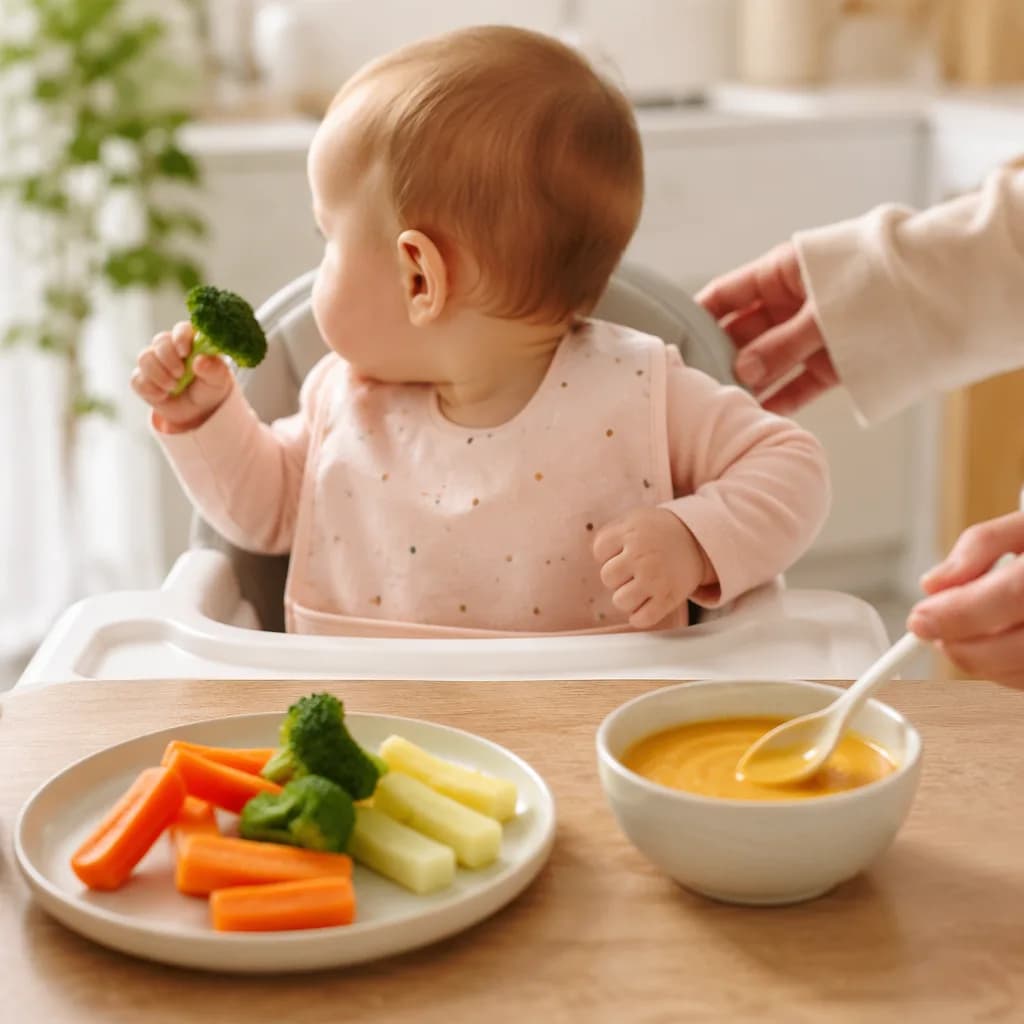 baby-food
Baby Led Weaning vs Purees: Which Fits Your Baby?
Baby led weaning and purees can both work. Here’s how to compare safety, mess, feeding skills, iron needs, and your real family schedule.
14 min readJul 18, 2026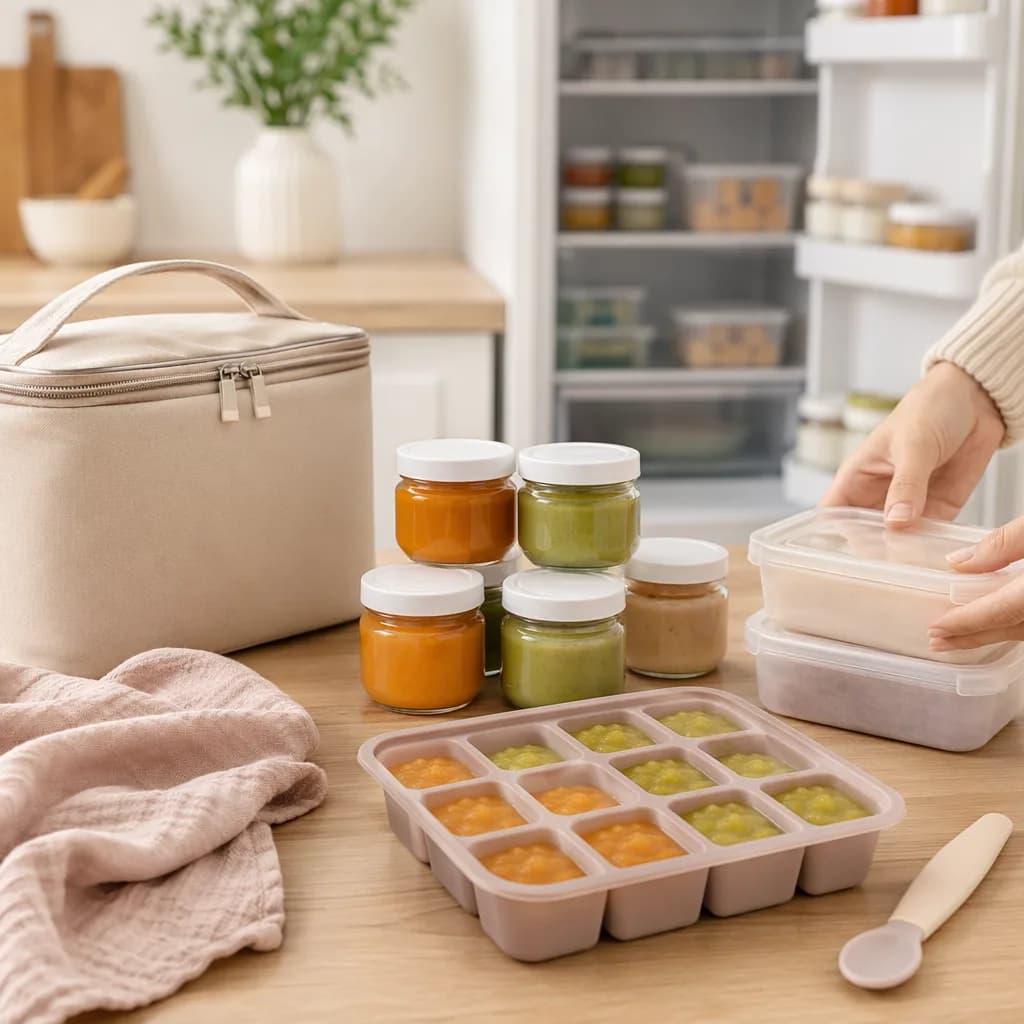 baby-food
Baby Food Storage: Fridge, Freezer, and Travel Tips
Simple baby food storage rules for the fridge, freezer, and diaper bag, including how long purees last and when to toss leftovers.
14 min readJul 4, 2026- baby-food
Baby-Led Weaning Basics: Safe First Foods
A calm starter guide to baby-led weaning, with readiness signs, safe first foods, choking basics, and simple ways to begin.
13 min readJul 3, 2026