

Ira Sanjana Kulshreshtha
Hindi
The meaning of Ira Sanjana Kulshreshtha cannot be verified from the provided sources. As a Hindi girl’s name, it has a soft, clear sound, with Ira as the short and memorable given name.
84
Just added: the newest names in our collection.
8,565 names
8,565 names
Hindi
The meaning of Ira Sanjana Kulshreshtha cannot be verified from the provided sources. As a Hindi girl’s name, it has a soft, clear sound, with Ira as the short and memorable given name.
French
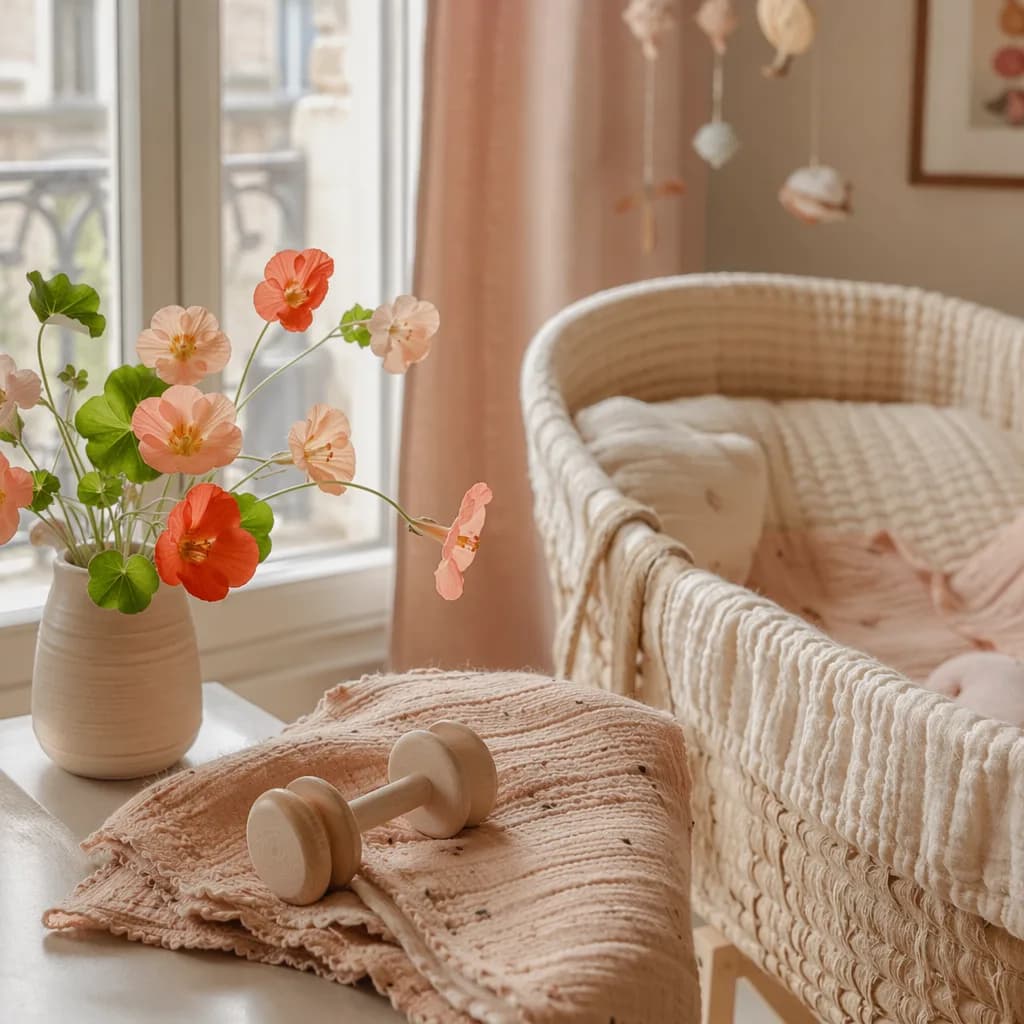
Capucine is a French girl name meaning “nasturtium,” a bright garden flower. In French, it is pronounced roughly ka-py-SEEN, with a soft, elegant finish.
French
Alix is a French unisex name, a medieval French variant of Alice. Through Alice, it connects to old Germanic roots often interpreted as “noble type” or “of noble kind.”
French
Faustine is a French feminine name from Latin roots meaning “fortunate,” “lucky,” or “favored by good fortune.” It is related to Faustus and Faustinus, old Roman names built from the Latin word faustus.

French
Oriane is a French girl name associated with light, dawn, and golden brightness. It is linked to Latin roots connected with aureus, meaning golden.

French
Coline is a French feminine name closely connected to Colin, an Old French diminutive of Nicolas, meaning "victory of the people." Colin also has a separate Gaelic origin from a word meaning "pup" or "cub," though Coline is most naturally read as French.

French
Romane is a French girl name meaning "a Roman" or "from Rome." It is a feminine variation of Romaine, with roots in the Latin word Romanus.
French
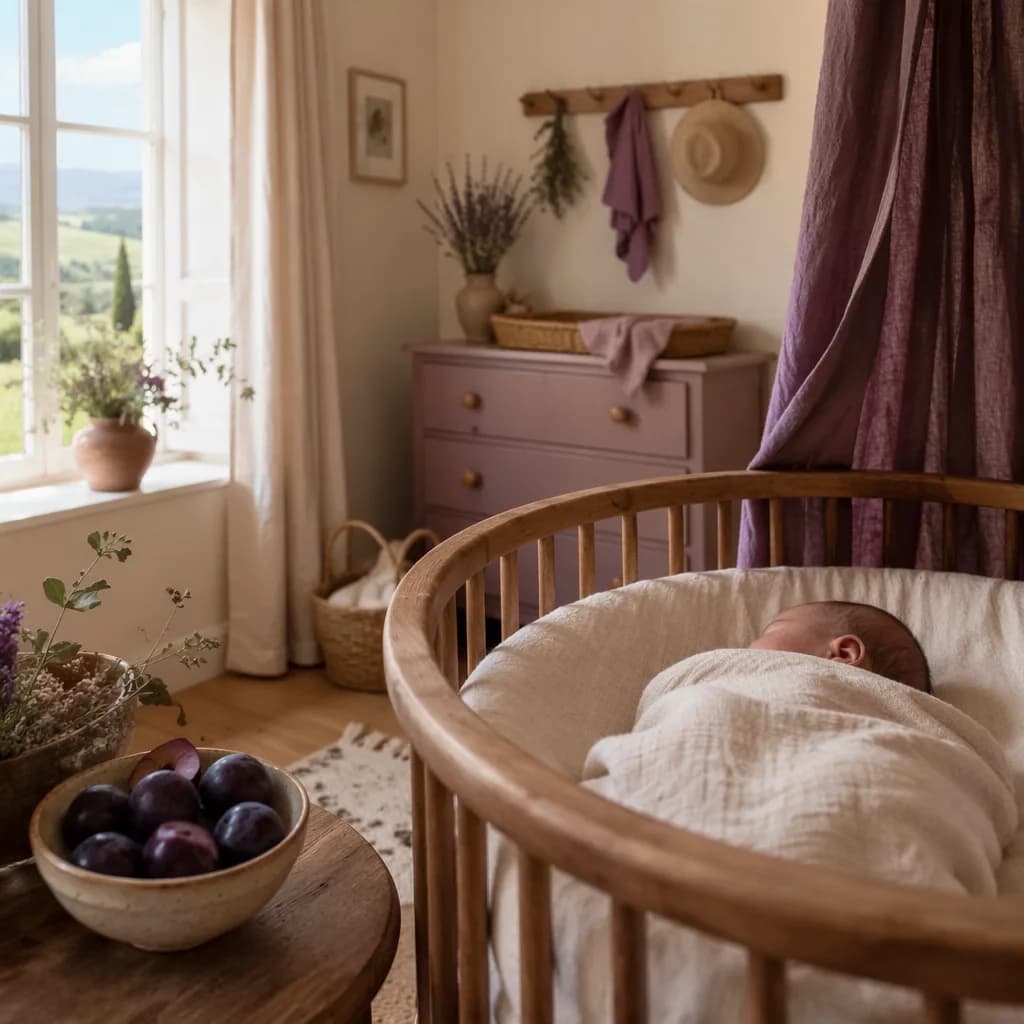
Prune is a French girl name meaning "plum." It comes directly from the French word prune, with deeper roots in Latin prunum and Greek prounon.

French
Maylis is a French feminine name linked to a town in southern France, traditionally explained as “mother lily.” It is also sometimes understood as a blend of Marie and lys, the French word for “lily.”
French
Camille is a French unisex name meaning “young ceremonial attendant,” “acolyte,” or “helper to the priest.” It comes from an ancient Roman name with a graceful, quietly dignified feel.
French
Louison is a French unisex diminutive of Louis and Louise, ultimately meaning “famous warrior” or “renowned in battle.” It has a softer, affectionate French sound while keeping the strength of its Germanic roots.
Yoruba
Ayodeji Oluwatimileyin Aderibigbe is a Yoruba boy's name made of three meaningful names. Ayodeji is commonly understood as joy becoming doubled, Oluwatimileyin as God supports me, and Aderibigbe as a family name with royal and heritage-rich Yoruba feeling.
Portuguese
Sara Valentina Castro combines a gentle first name, a strong romantic middle name, and an Iberian surname tied to fortified places. Castro comes from Latin castrum, meaning fort, castle, or fortified settlement.

Portuguese
Bianca means "white" and comes from Italian, where it is a cognate of Blanche. Bianca Gabriela Reis has a bright, lyrical Portuguese feel, with Bianca bringing a clear, elegant first note.

Portuguese
No verified etymological meaning for Noa Camille Mendes was included in the provided sources. As a name, it reads as short, lyrical, and Portuguese-friendly, with the soft strength of Noa balanced by the elegance of Camille.
Portuguese
Alex Maria Guerreiro brings together protection, devotion, and courage. Alex means “to defend” or “to protect,” while Guerreiro is connected with the Iberian surname meaning “warrior.”
Portuguese
Dinis is the Portuguese form of Denis, a name ultimately connected to Dionysius and Dionysus. Its roots point to the ancient Greek god associated with wine, agriculture, theatre, peace, and social joy.
Portuguese
Afonso is the Portuguese form of Alphons or Alfonso, a Germanic name meaning “noble” and “eager, brave, ready.” It carries a strong old-world feeling with deep roots in Iberian history.

Portuguese
Salvador is the Portuguese form of the Late Latin name Salvator, meaning "saviour." In Christian tradition, the meaning refers to Jesus.

Portuguese
Vicente is the Spanish and Portuguese form of Vincent, from Latin Vincentius. Its root is tied to vincere, meaning "to conquer," so the name carries the sense of conquering or victorious.

Portuguese
Nuno is a Portuguese and Iberian boy name often explained as meaning "noble" or "brave." It carries a compact, steady feeling, with old roots tied to courage, honor, and leadership.
Portuguese
Tiago is the Portuguese form of James, derived from Santiago. It is often connected with the traditional meaning “supplanter,” through the older James and Jacob name family.

Portuguese
Gaspar is a Portuguese boy's name, traditionally used as a form of Caspar or Jasper. It has a bright, old-world sound with a polished, adventurous feel.

Portuguese
Artur is a Portuguese boy name related to Arthur, usually understood as “bear-like” or “of honour.” Its roots are uncertain, with possible links to the Roman name Artorius and Celtic words connected to the bear.
Portuguese
Martim is the Portuguese form of Martinus, the Ancient Roman name behind Martin. Its wider family is traditionally connected with Mars, the Roman god of war, giving the name a strong, spirited feel.
Portuguese
Guilherme is the Portuguese form of William, a name with Germanic roots meaning “will” or “desire” plus “helmet” or “protection.” It carries the warm sense of a determined protector.
Portuguese
Miguel is the Portuguese form of Michael, traditionally understood to mean “Who is like God?” It has a warm, strong sound: familiar, faith-rooted, and easy to say in many languages.
Portuguese
Margarida is the Portuguese form of Margaret, meaning “pearl.” It comes through Latin and Greek from an older Persian word for pearl.

Portuguese
Alice means “nobility” or “of noble character.” It comes from Old French Alis or Alys, ultimately from the Old High German Adalhaidis.

Portuguese
Laura is traditionally understood as “laurel” or “bay laurel,” a meaning tied to honor and victory in classical tradition. In Portuguese, Laura feels graceful, familiar, and easy to say across generations.
Portuguese
Francisca is a Portuguese feminine name connected to the Franks. The available source ties the word francisca to the Franks, a people of the Early Middle Ages.
Portuguese
Jaime is a Portuguese and Spanish form connected to James and Jacob, traditionally meaning “holder of the heel” or “supplanter.” For a boy, it feels warm, familiar, and gently international.
Portuguese
Ema is a short Portuguese-friendly form of Emma, with meanings linked to “universal” or “whole” in Slavic use. Some name references also connect Ema with Hebrew “mother” or “nurturing” and Japanese meanings such as “blessed” or “beautiful.”
Portuguese
Lia is a Portuguese, Italian, and Greek form of Leah, traditionally understood to mean "weary." It can also be used as a short form of names ending in -lia, such as Amélia or Cecília.
Portuguese
Marisa is usually understood as a blend of Maria and Luisa, giving it a layered meaning such as "beloved" or "drop of the sea" plus "famous battle." It also has a soft Iberian and Italian feel, with an easy Portuguese pronunciation.
Portuguese
Priscila is the Portuguese form of Priscilla, a Roman name that began as a diminutive of Prisca. Its root carries the sense of “ancient,” “venerable,” or “of old standing.”
Portuguese
Mafalda is a Portuguese and Italian form of Matilda, traditionally understood as “battle-mighty.” It carries an old, strong meaning with a softer, lyrical sound.

Turkish
Alp is a short Turkish boy name. The supplied source material does not verify a historical meaning, so we’re treating the meaning as unconfirmed rather than guessing.

Turkish
Doruk is a Turkish boy name meaning "peak" or "mountaintop." It has a crisp, upward-looking feel, like a child named for height, clarity, and reaching the top.

Turkish
Levent is a Turkish boy name meaning "naval soldier." It has a crisp, steady sound and a meaning with a strong maritime and service-minded feel.

Turkish
Mert is listed by BabyCentre UK as a form of Martin, with Martin traditionally treated as the fuller source name. For a Turkish boy named Mert, the supplied sources do not verify a Turkish meaning, so the safest meaning to cite here is its connection to Martin.
Turkish
Ozan is a Turkish boy name meaning "poet-singer" or "bard." It comes from Turkic tradition, where an ozan was an itinerant poet and musician, similar to a troubadour or balladeer.

Turkish
Bora is a Turkish masculine name meaning "storm" or "a strong wind that usually brings rain." It feels brisk, bold, and full of motion.

Turkish
Melis is a Turkish girl name with a bright, melodic sound. A firm meaning is not established in the provided sources, so it is best treated as a modern Turkish name loved for its style and familiarity.

Turkish
Selin is a Turkish feminine name commonly understood as “flowing water,” “stream,” or “torrent.” It’s also sometimes associated with moonlight through comparison with Selene, and with evergreen imagery in poetic Turkish use.

Turkish
Deniz is a Turkish unisex name meaning "sea." It has a calm, open, elemental feeling and is used for both girls and boys.

Turkish
Duru is a gender-neutral Turkish name meaning "lucid," with a closely related sense of being clear and pure. It has a soft, simple sound: two open syllables, doo-roo.
Turkish
Ekin is a Turkish unisex name meaning "harvest." It has a grounded, hopeful feeling, tied to growth, care, and the good things gathered after patient work.

Yoruba
Omowunmi Oluwakemi Akinwale is a Yoruba name that can be understood as a layered blessing: “I love children,” “God cares for me,” and “the brave one has come home.” It carries warmth, faith, family pride, and welcome.
Yoruba
Oluwaseun is a Yoruba unisex name meaning “God, thank you.” As part of the full name Oluwaseun Temitayo Oduyoye, it gives the name a thankful, faith-filled opening.