
When Do Babies Crawl? Signs, Timeline, and Tips
When do babies crawl?
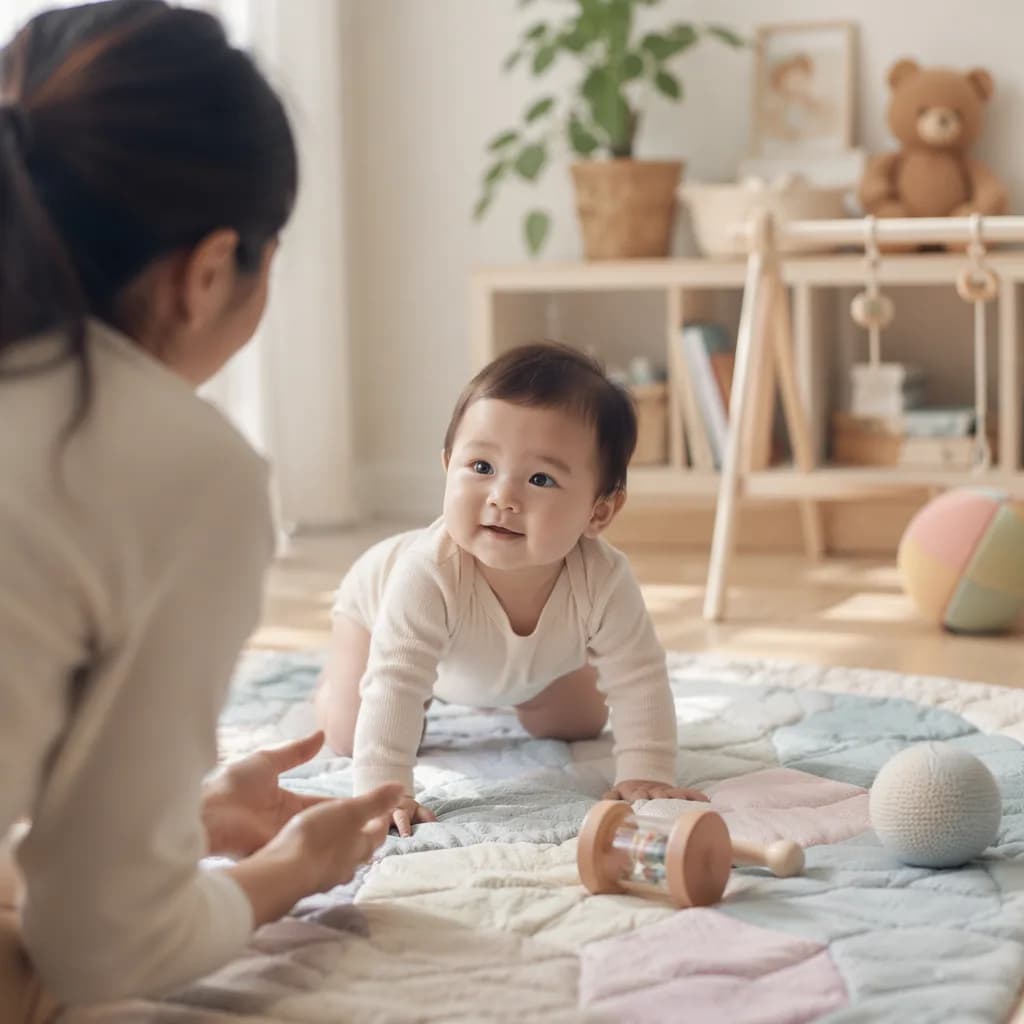
Most babies start crawling between 7 and 10 months, though some begin earlier or later. Crawling is a range, not a deadline, so a baby who crawls at 6 months and a baby who crawls at 11 months can both be developing normally.
What we usually mean by “crawling” is that classic hands-and-knees movement across the floor. But babies are wonderfully creative. Some scoot on their bottoms, some roll to get where they want to go, and some do an army crawl first, dragging their belly along while pulling forward with their arms.
Picture this: your baby spots a crinkly toy just out of reach on the rug. At first, they stretch, wiggle, and get frustrated. Then one day they pull themselves forward on their forearms, inch by inch, until they reach it. A few weeks later, they may be up on hands and knees, rocking, then finally moving forward.
Some babies skip classic crawling altogether and move straight to pulling up, cruising along furniture, or walking. That can be normal too. Baby milestones often build on each other, but they don’t always arrive in a neat order. Sitting, rolling, crawling, and early movement all overlap, which is why it can help to look at nearby milestones like when babies sit up and when babies roll over.
If you’re tracking this stage closely, you may also like this fuller guide to when babies crawl. And if you’re in that sweet stage of wondering what comes next, early sounds and gestures are another fun area to watch, along with when babies start talking.
Baby crawling age by stage
Baby crawling age isn’t one neat date on the calendar. It’s more like a chain of small body skills that build on each other: tummy time strength, rolling, sitting, pivoting, rocking, scooting, and then some version of crawling.
Around 4-6 months, many babies are getting stronger through the neck, shoulders, and chest. You may see your baby push up during tummy time, lift their head with more control, or roll from one position to another. Rolling is a big piece of the movement puzzle, so if that’s where your baby is right now, you might like this guide to when babies roll over.
By 6-8 months, sitting often becomes steadier. Babies may reach for toys, twist their bodies, pivot on their bellies, or look very determined as they try to move toward something just out of reach. Sometimes the toy is exciting. Sometimes it’s your phone. Funny how that works.
The 7-10 month window is when crawling styles often start to show up. Some babies army crawl, pulling themselves forward with their arms. Some get onto hands and knees. Some bear crawl with their bottoms in the air. Others scoot on their bottoms and seem perfectly pleased with that plan. If you want the bigger picture, we have a full guide on when babies crawl.
Around 10-12 months, crawling may become faster and more coordinated. Many babies also begin pulling to stand, which can make the room feel suddenly much less baby-proof than it did yesterday.
The exact timing varies. Temperament matters. So does time spent practicing on the floor, muscle tone, and each child’s natural pattern. Sitting skills can play a role too, so this piece on when babies sit up may help you see how the stages connect.
And just like with early talking milestones, there’s a wide range of normal. Your baby doesn’t need to follow another baby’s timeline, even if that baby is your nephew Rami, whose name you may recognize from Rami: meaning & origin.
Signs baby is ready to crawl
Crawling usually doesn’t appear out of nowhere. Before baby takes off across the rug, you’ll often see a handful of small body skills coming together.
One big clue is stronger tummy time. Baby may start pushing up on straight arms, lifting their chest higher, and looking around like they suddenly have a better view of the room. This kind of upper body strength often builds on earlier movement skills, like the ones we watch for in rolling over.
Sitting is another piece of the puzzle. If baby can sit with just a little support and reach for a toy without immediately tipping over, their core is getting stronger. That steady middle helps them shift weight, reach, and eventually move forward. If you’re watching this skill develop too, our guide on when babies sit up may help you know what to look for.
You might also see rocking on hands and knees. It can look like baby is revving an engine but not going anywhere yet. Totally normal. Some babies even move backward first, which can be both adorable and deeply annoying to them.
Other pre-crawling moves count too. Pivoting in circles on the belly, pushing backward, or pulling forward with the arms can all come before true crawling. It’s all practice. Baby is figuring out how to coordinate arms, legs, balance, and effort.
Motivation matters as well. Maybe they stretch toward a favorite crinkly book, scoot toward your water bottle, or try very hard to reach the family dog. That “I want that” energy can be a powerful driver.
And yes, frustration can show up here. Baby may know exactly what they want before their body has worked out the steps to get there. A little fussing, grunting, or floor complaints are common during this stage. For the bigger picture, you can read more in our full guide to when babies crawl.
Types of crawling you might see
Crawling doesn’t look the same for every baby, and that can surprise parents. One baby may pop up onto hands and knees right away, while another finds a very creative way to cross the rug for a favorite rattle.
The classic crawl is the one many of us picture first: hands and knees on the floor, with the opposite arm and leg moving together. It looks coordinated, but it often comes after lots of rocking, reaching, and flopping forward.
Some babies army crawl instead. Their belly stays on the floor while they pull forward with their arms. It can look like hard work, but babies can get surprisingly fast this way.
You might also see a bear crawl, with hands and feet on the floor and the bottom up in the air. Then there’s scooting, where a baby moves while seated, often using one hand and one leg to push. And yes, some babies use rolling as their main way to get around for a while, especially if they’ve already figured out how to roll toward toys. If that sounds familiar, our guide to when babies roll over may help connect the dots.
Try not to get too stuck on one “right” style. Crawling grows out of earlier skills like head control, sitting, and reaching, which is why many parents also find it helpful to read about when babies sit up.
One thing to watch: strong asymmetry. If your baby always drags one side, seems stiff, or strongly avoids using one arm or leg, it’s a good idea to ask the pediatrician. You’re not overreacting. You’re noticing.
How to encourage crawling at home
Crawling practice doesn’t need special gear. The best setup is usually the simplest one: a firm, safe floor space where your baby can wiggle, reach, roll, pivot, and try again.
Offer daily floor time when your baby is awake and supervised. A blanket on carpet or a foam mat gives more useful practice than a bouncy seat, swing, or long stretch in a carrier, because your baby can press into the floor and start figuring out how their arms, legs, and belly work together. If your baby is also working on sitting, you may like this guide on when babies sit up, since those core muscles often show up in lots of new skills.
Put one interesting toy just out of reach. Not across the room. Just a tiny bit away.
Think of a crinkly soft book, a favorite rattle, or your keys if they’re safe and clean. The goal is for your baby to think, “I can almost get that,” and then shift, stretch, scoot, or push to reach it. If it’s too far away, they may give up. If it’s too close, there’s no reason to move.
If tummy time turns into instant tears, keep it short and repeat it often. Two or three minutes several times a day can still count. Try it after a diaper change, before a nap routine, or while you’re lying right in front of them making a silly popping sound with your lips. Babies often work harder when they’re moving toward your face, your smile, your glasses, or that ridiculous noise you swore you’d never make in public.
Once your baby has some strength, you can add a tiny challenge. Place your leg in front of them or set down a rolled towel so they can push, lean, or wriggle over it. Keep it low and soft. This should feel like play, not a workout.
Try to limit long awake stretches in seats, jumpers, and carriers. They’re useful tools, but floor practice is where crawling strength gets built. And if your baby resists, don’t force positions or move their arms and legs for them. Back off, reset, and make it fun again.
For more crawling signs and timing, see When Do Babies Crawl? Timeline, Signs, and Tips for Parents. You might also want to peek at rolling milestones or later skills like when babies start talking, because babies rarely follow one neat little checklist.
Safety steps before crawling starts
Babyproof before crawling, not after. That first real crawl can show up quickly, sometimes right after a few days of rocking, scooting, or pushing backward. One minute your baby is stuck on the play mat, and the next they’re headed straight for a phone charger under the couch.
Start with the obvious hazards. Cover outlets, secure loose cords, anchor furniture, and move choking hazards off the floor. Then do the less glamorous check: look under couches, coffee tables, beds, and dining chairs for coins, older siblings’ small toys, pet food, and dropped snacks. Babies have a gift for finding the one tiny thing everyone else missed.
A parent-level floor scan helps so much. Get down on your hands and knees and look around from your baby’s view. Cords that seemed tucked away may suddenly be right at eye level. A plant stand, dog bowl, tablecloth, or low shelf may look like an invitation to pull up, tug, splash, or empty everything onto the floor. Crawling babies grab these things because they’re exactly at their height.
Use safety gates at stairs before your baby is mobile. Keep bathroom, laundry, and kitchen areas secured too, since those rooms often have water, cleaning products, sharp items, or heavy objects within reach. If your baby is already rolling well, this is a good time to refresh safety habits from When Do Babies Roll Over? Timeline and Safety Tips.
Crawling usually builds on earlier strength and balance, so if you’re watching those pieces come together, you may also find When Do Babies Sit Up? Timeline, Signs, Practice helpful. For a bigger milestone picture, see When Do Babies Crawl? Timeline, Signs, and Tips for Parents.
What if my baby is not crawling yet?
If your baby isn’t crawling yet, take a breath. Crawling has a wide “normal” window, and if your baby is under 10 months and steadily gaining other motor skills, it may simply be too early to worry.
Look at the whole picture, not just the crawl. Is your baby rolling, sitting with more control, reaching for toys, pushing up during tummy time, and getting curious about objects just out of reach? Are they using both sides of their body, turning toward sounds, and getting stronger week by week? Those clues matter. Crawling is one skill in a bigger pattern of movement, just like rolling and sitting are. If you want to compare nearby milestones, these guides on when babies roll over and when babies sit up can help you see the broader sequence.
Some babies skip classic hands-and-knees crawling completely. A baby who loves standing may go from sitting to pulling up, cruising along the couch, and then walking. You might see a lot of rocking, scooting, pivoting, or trying to climb your lap instead of a neat crawl across the rug. That still counts as interest in moving.
A good middle ground: bring it up at the next well visit if your baby is around 9-10 months and isn’t showing much interest in moving. You’re not making a fuss. You’re giving your pediatrician helpful information.
Call sooner if something feels off in a bigger way. For example, if your baby seems very floppy or very stiff, uses one side much more than the other, can’t sit with support by around 9 months, loses skills they used to have, or seems like movement hurts, it’s worth checking in.
Early help doesn’t mean something is wrong forever. Often, a pediatrician or pediatric physical therapist can watch your actual baby move and show you specific play ideas that fit them, like where to place a toy, how to support their hips, or how to make floor time less frustrating. For the full milestone breakdown, see When Do Babies Crawl? Timeline, Signs, and Tips for Parents.
Frequently Asked Questions
What is the average age for babies to crawl?
The average baby crawling age is usually 7 to 10 months, but some healthy babies crawl earlier, later, or skip crawling.
Can babies crawl at 6 months?
Yes. Some babies start army crawling or rocking on hands and knees around 6 months, especially if they get plenty of floor time.
Is it normal for a baby to crawl backward first?
Yes. Many babies push backward before they figure out how to move forward because their arms are stronger than their legs at first.
Do all babies crawl before walking?
No. Some babies skip crawling and move straight to pulling up, cruising, and walking.
How can I encourage crawling without forcing it?
Give your baby daily tummy time, safe floor play, and a toy just out of reach. Keep it playful and stop if your baby gets too upset.
When should I worry if my baby is not crawling?
Ask your pediatrician if your baby is not trying to move by 9-10 months, uses one side much more, seems stiff or floppy, or loses skills.
Frequently asked questions
When do babies usually start crawling?
What are the signs my baby is getting ready to crawl?
Is it normal if my baby army crawls or scoots instead?
How can I help my baby learn to crawl?
When should I ask the pediatrician about crawling?
References
Sources
External research this article was grounded in.
- DO | English meaning - Cambridge Dictionarydictionary.cambridge.org
- DO vs. MD: What's the Differencewebmd.com
- Rock-A-Bye Baby +More Nursery Rhymes - CoCoMelon - Videos For Kidskidvideo.org
Related reading
More from the journal → development
When Do Babies Laugh? Milestones and Play Ideas
Most babies laugh around 3 to 4 months. Learn what early giggles mean, what can encourage them, and when to check in with your pediatrician.
8 min readAug 3, 2026- development
When Do Babies Start Babbling? Sounds and Stages
Most babies start babbling around 4 to 6 months, then build toward ba-ba and da-da sounds as speech skills grow.
11 min readAug 3, 2026 - development
When Do Babies Roll Over? Timing, Practice, Safety
Rolling can look wobbly at first. Learn what early practice looks like, how tummy time helps, and what safety changes once baby starts to roll.
11 min readAug 3, 2026